Monroe Doctrine
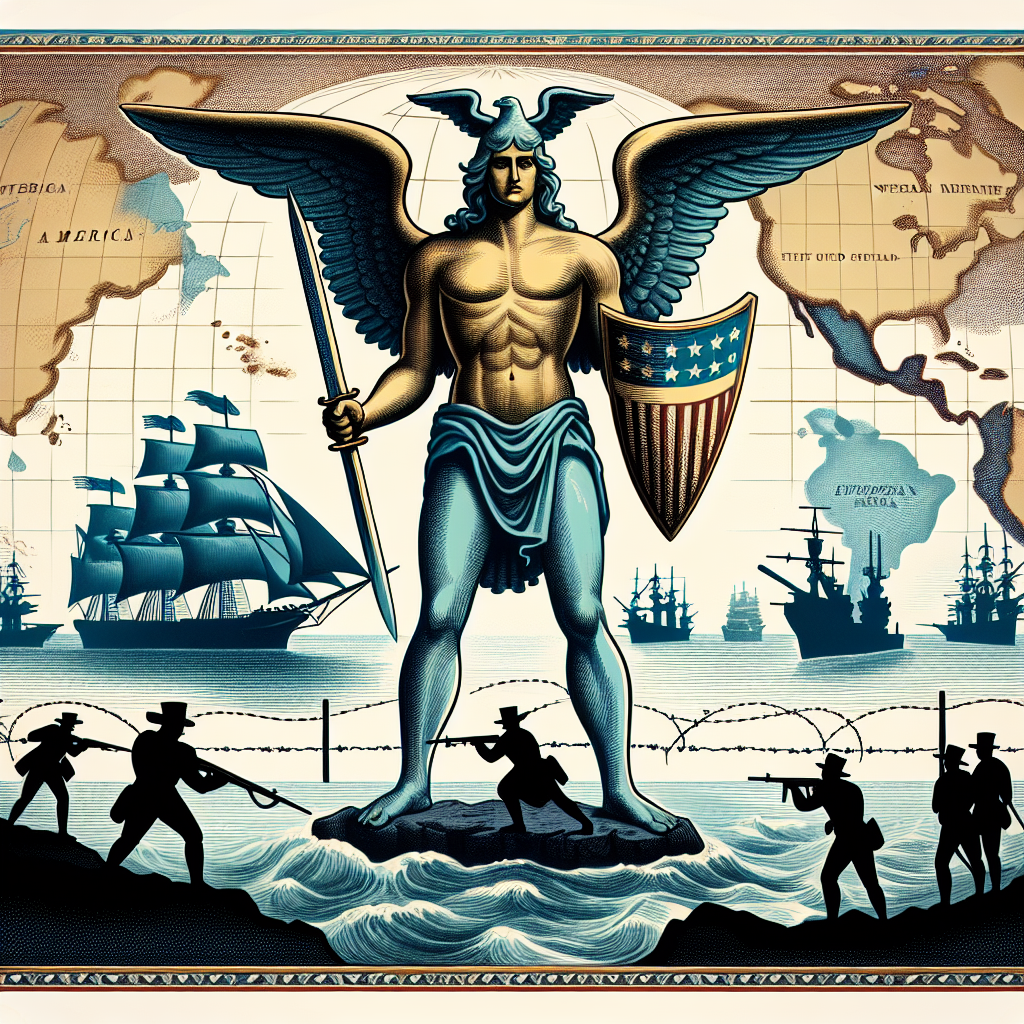
President James Monroe announced the doctrine that bears his name in his annual message to Congress on December 2, 1823, in two paragraphs that were not especially remarked upon at the time. The United States, Monroe declared, would regard any attempt by European powers to extend their political system to any portion of the Western Hemisphere as dangerous to its peace and safety. European colonization of the Americas was, henceforth, closed. The declaration was breathtaking in its ambition for a country of 10 million people with a negligible navy and an army of 6,000 men. It was also largely unenforceable on its own — what actually kept European powers from testing it in the 1820s was the British Navy, which had its own commercial reasons for wanting the newly independent Latin American states open for trade rather than locked into Spanish mercantilist systems.
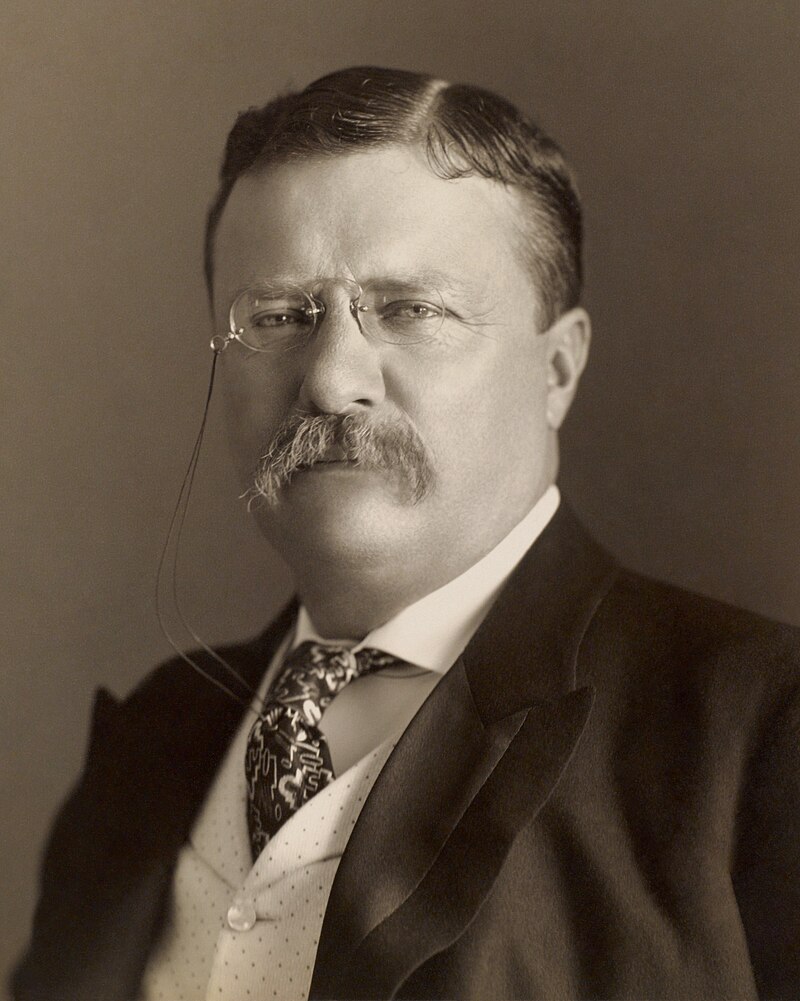
The doctrine grew into one of the most consequential foreign policy statements in American history, applied, extended, and distorted across nearly two centuries of use. The Roosevelt Corollary of 1904, added by Theodore Roosevelt, went further: not only would the United States exclude European intervention in the hemisphere, but it reserved for itself the right to intervene in Latin American countries whose internal disorder might invite European action. This corollary justified American military interventions in Nicaragua, Haiti, the Dominican Republic, and Cuba over the following decades — reinterpreting a doctrine about keeping Europeans out as a license to go in. The Monroe Doctrine became simultaneously the founding text of American anti-imperialism and the justification for American imperialism, a dual role it has never entirely escaped.
The Cuban Missile Crisis of 1962 was the Monroe Doctrine's most extreme test: Soviet nuclear weapons in Cuba were precisely the kind of European great-power presence in the Western Hemisphere Monroe had declared unacceptable in 1823. Kennedy framed the confrontation in explicitly Monroe Doctrine terms. The doctrine was formally "retired" by Secretary of State John Kerry in 2013, who described it as a thing of the past in a statement that was received with skepticism by anyone who had been paying attention to American policy in Latin America in the previous 190 years. The principle it articulated — that the United States has special prerogatives in the Western Hemisphere that supersede the sovereignty of other nations within it — has never actually been retired, regardless of what anyone has said about the doctrine itself.
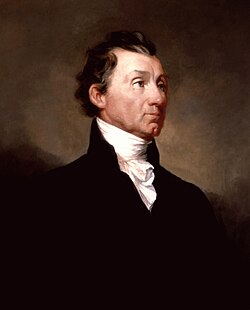

| Announced | December 2, 1823 |
| President | James Monroe |
| Key author | Secretary of State John Quincy Adams |
| Core declaration | Western Hemisphere closed to further European colonization |
| Real enforcer | British Navy (1820s) |
| Roosevelt Corollary | 1904 — added U.S. right to intervene in Latin America |
| Cuban Missile Crisis | 1962 — most direct test of doctrine |
| "Retired" | 2013 (Secretary of State John Kerry) |
| Date | December 2, 1823 |
| Location | Washington, D.C. |