Benedict Arnold
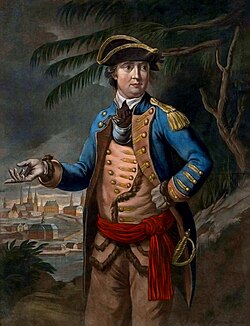
No name in American history became a synonym for treachery faster than Benedict Arnold's. In September 1780, Arnold — one of the most brilliant and battle-proven generals in the Continental Army, the man who arguably saved the Revolution at Saratoga — was discovered attempting to hand the key American fortress at West Point to the British. He escaped to British lines. His co-conspirator, Major John André, was hanged. Arnold spent the rest of his life as a man no one fully trusted again.
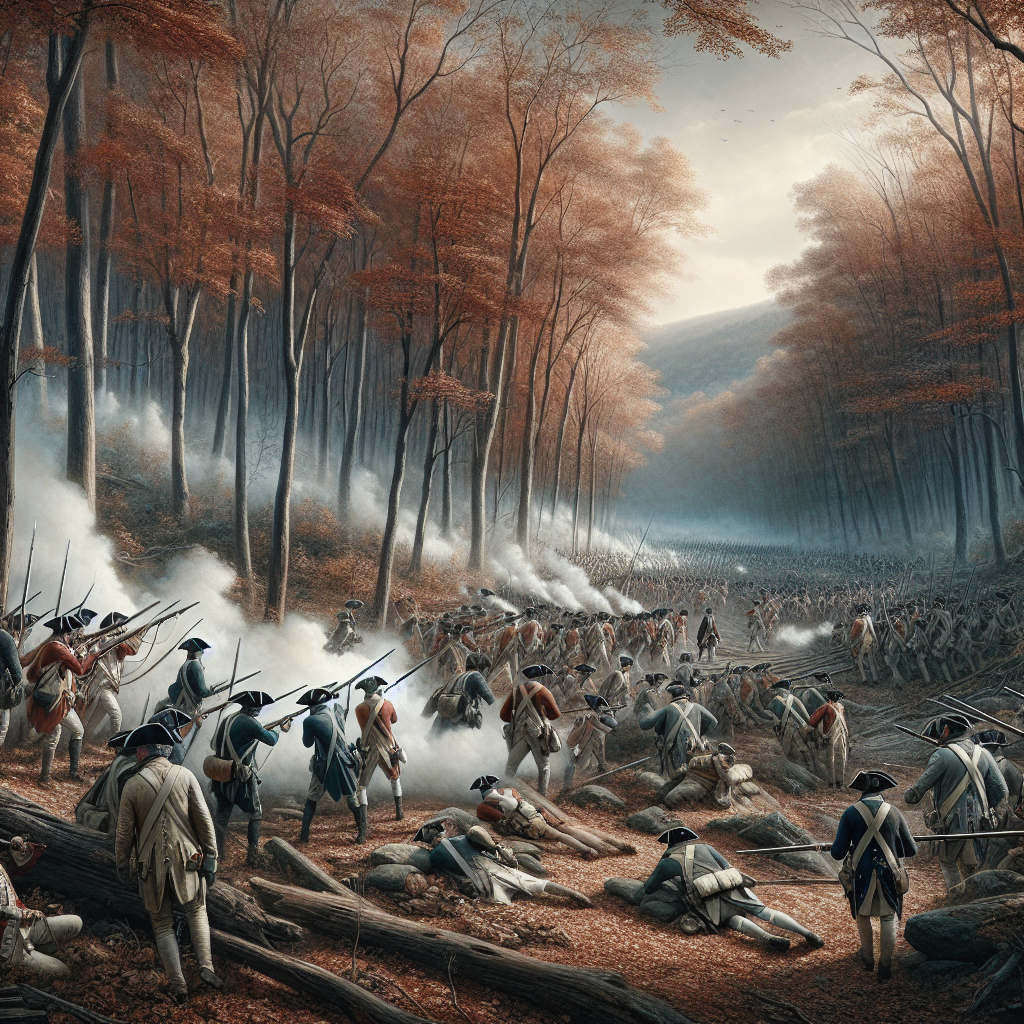
The tragedy of Arnold is that he was genuinely heroic before he was treasonous. At Valcour Island in 1776, his improvised fleet bought the Revolution a critical year by delaying the British advance down Lake Champlain. At Saratoga in 1777, he led the assault that broke the British line and forced the surrender of General Burgoyne — the victory that brought France into the war as an American ally. He was wounded twice, passed over for promotion repeatedly, and watched less capable men outrank him. Resentment curdled into venality, and venality into conspiracy.
After defecting, Arnold commanded British raids into Virginia and Connecticut, burning Richmond and New London. He emigrated to England in 1781, receiving £6,315 and an annual pension that nonetheless never erased the contempt of his adopted countrymen. He died in London in 1801, largely friendless. At Saratoga National Historical Park, a "Boot Monument" marks his contribution to the battle — honoring the leg he wounded there without ever naming its owner.
| Born | January 14, 1741 — Norwich, Connecticut |
| Died | June 14, 1801 — London, England |
| Continental Rank | Major General |
| British Rank | Brigadier General |
| Key Battles | Valcour Island (1776), Saratoga (1777) |
| Defection | September 1780 — attempted to surrender West Point |
| Conspirator | Major John André (captured and executed) |
| Years | 1741–1801 |
| Location | West Point, New York |