John Quincy Adams
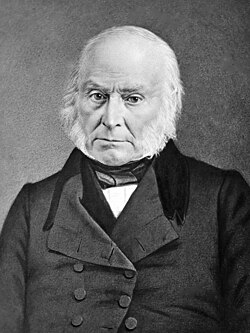
John Quincy Adams is the only American president whose most consequential work came after leaving the White House. His single term from 1825 to 1829 was a political failure — he had won the presidency in the contested "corrupt bargain" election of 1824, governed without a working majority, and lost decisively to Andrew Jackson. He returned to Washington in 1831 as a Massachusetts congressman, where he spent the next 17 years becoming the most relentless antislavery voice in the House of Representatives and the most principled defender of free speech against the gag rule that pro-slavery forces had imposed.
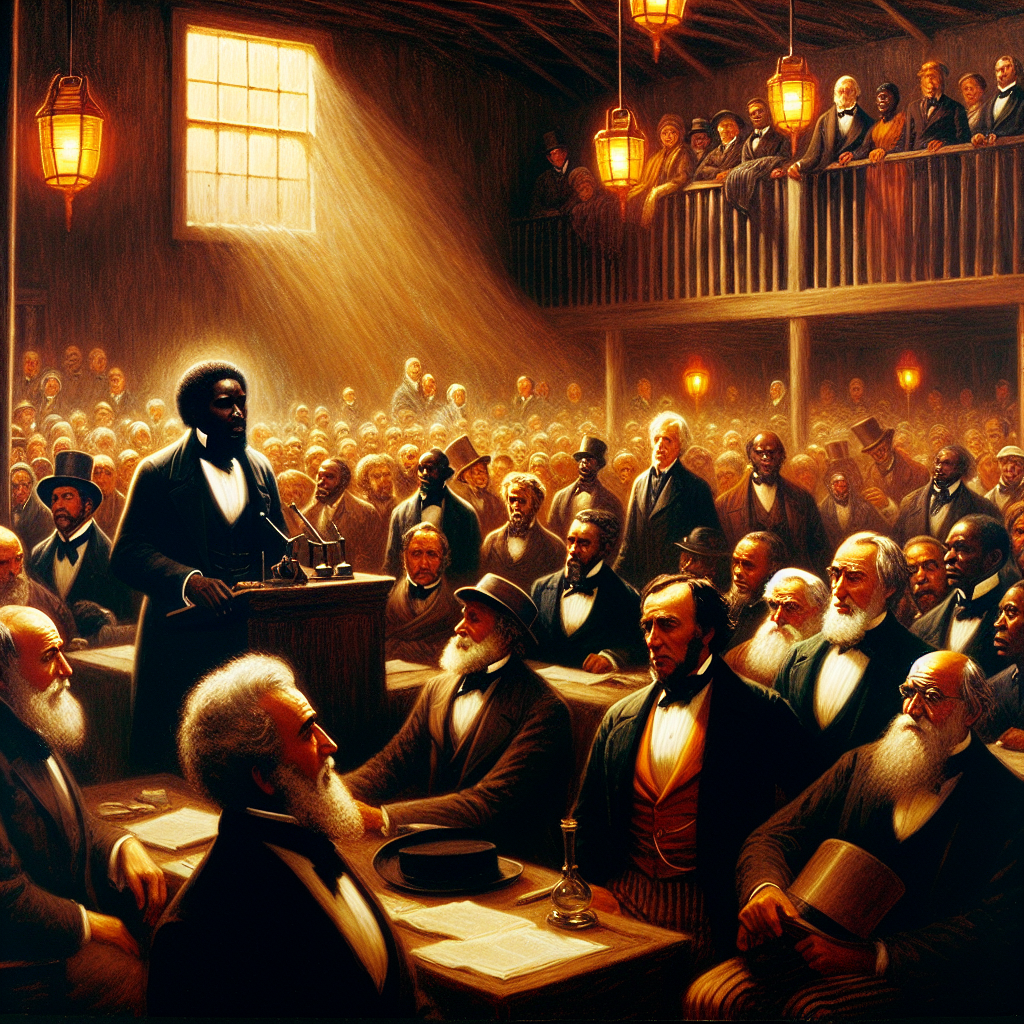
The gag rule, adopted in 1836, automatically tabled any petition relating to slavery — a naked attempt to prevent abolitionist voices from reaching the House floor. Adams, who was not himself an abolitionist, fought the rule on constitutional grounds: the right to petition government was protected, and Congress had no authority to suppress it. He submitted antislavery petitions year after year, forcing procedural confrontations that kept the issue alive on the House floor. The gag rule was repealed in 1844, after eight years of Adams's unyielding opposition.
His finest hour came in 1841, when he successfully argued before the Supreme Court on behalf of the Africans who had seized control of the slave ship Amistad — winning their freedom on the grounds that they had been illegally enslaved in Africa rather than born into bondage. He was 73 years old at the time. Adams died in 1848, collapsing on the floor of the House during debate and never regaining consciousness. The House where he died had been his arena for 17 years, and his colleagues understood that something irreplaceable had left the room.
| Born | July 11, 1767 — Braintree, Massachusetts |
| Died | February 23, 1848 — Washington, D.C. |
| Term | March 4, 1825 – March 4, 1829 |
| Party | Democratic-Republican; National Republican; Whig |
| Preceded by | James Monroe |
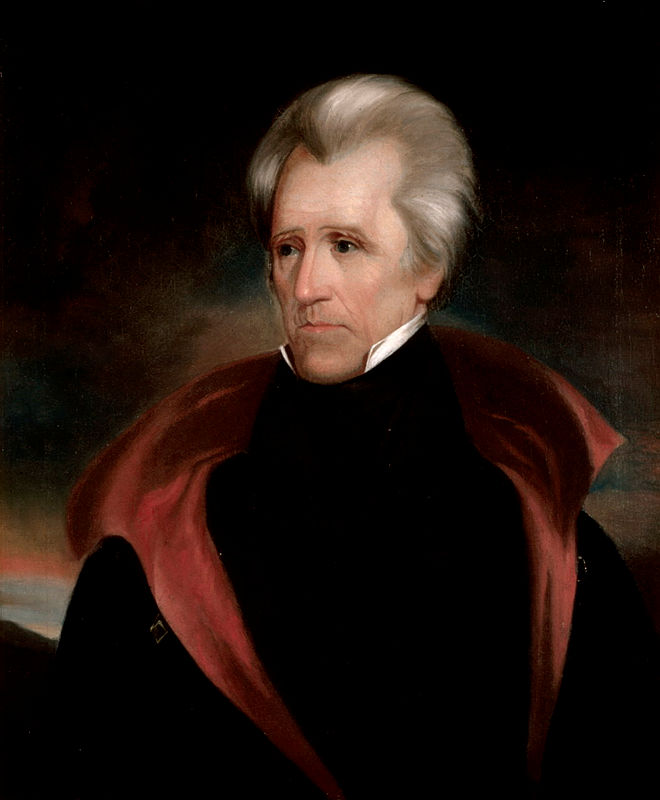
| Succeeded by | Andrew Jackson |
| Post-Presidential | U.S. Representative, Massachusetts, 1831–1848 |
| Years | 1767–1848 |
| Location | Washington, D.C. |