Statue of Liberty
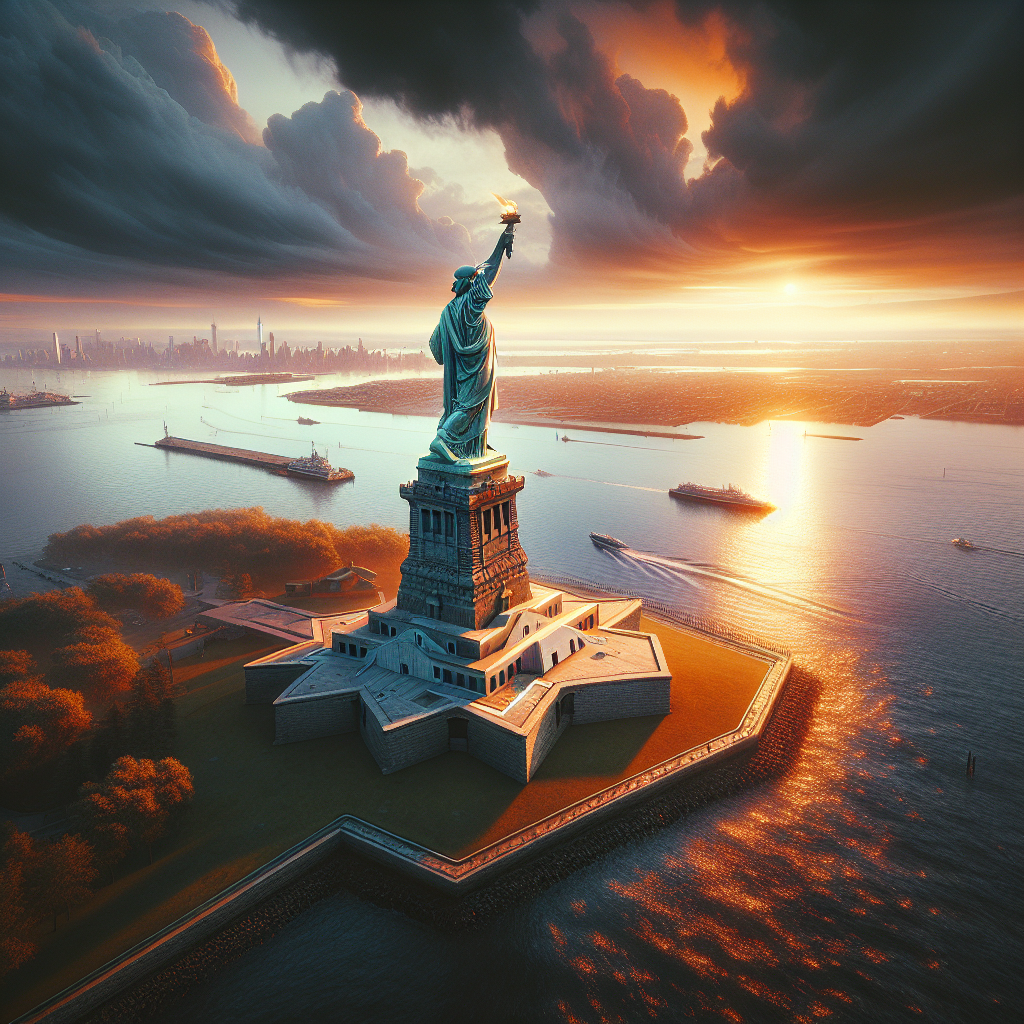
The Statue of Liberty was not an American idea. It was conceived by French political thinker Édouard de Laboulaye in 1865 as a gift from the French people celebrating the shared values of democracy — and, implicitly, as an admiring contrast to the authoritarian regime of Napoleon III that Laboulaye and his colleagues were living under. The sculptor Frédéric Auguste Bartholdi designed it; Gustave Eiffel, who would later build the Eiffel Tower, engineered its internal iron skeleton. France paid for the statue itself; the United States was supposed to pay for the pedestal, a fundraising effort that stalled badly until Joseph Pulitzer shamed the wealthy into contributing through his newspaper. The statue was dedicated on October 28, 1886, in New York Harbor.
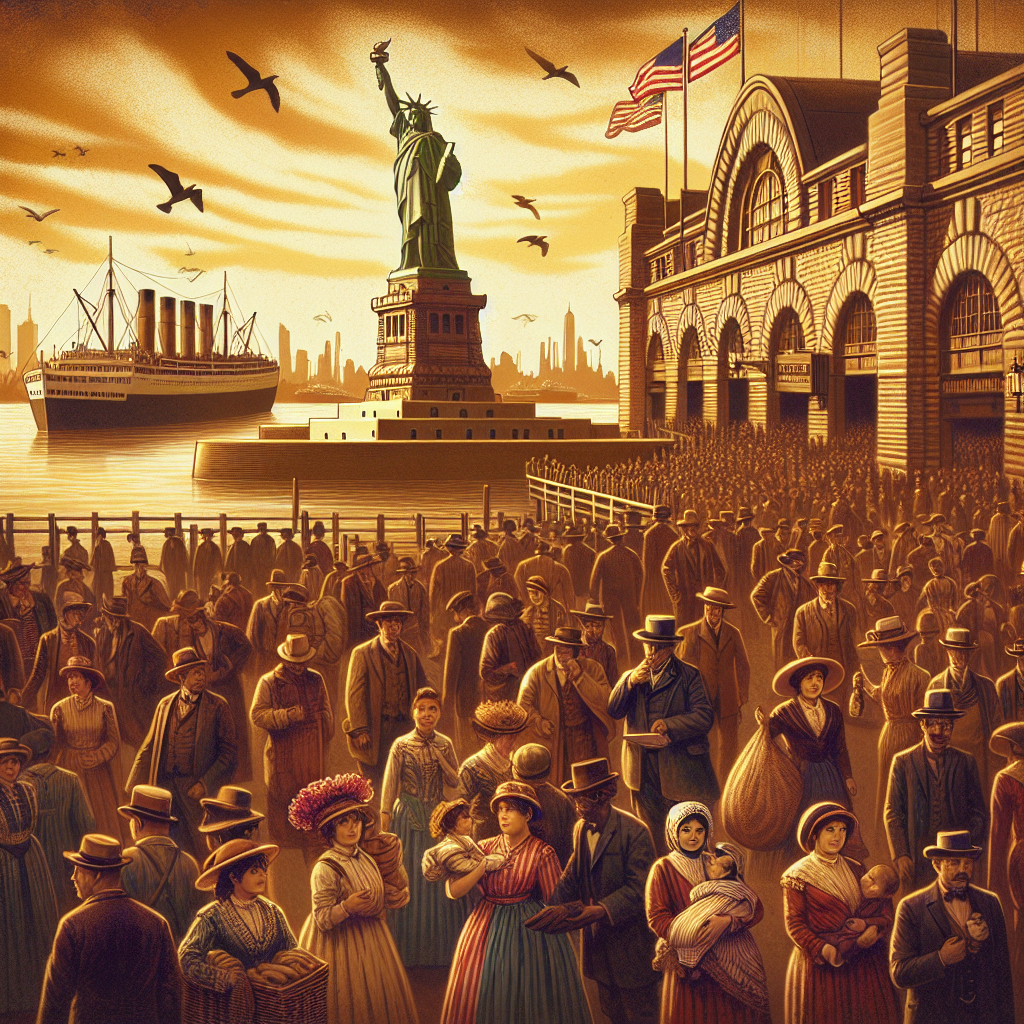
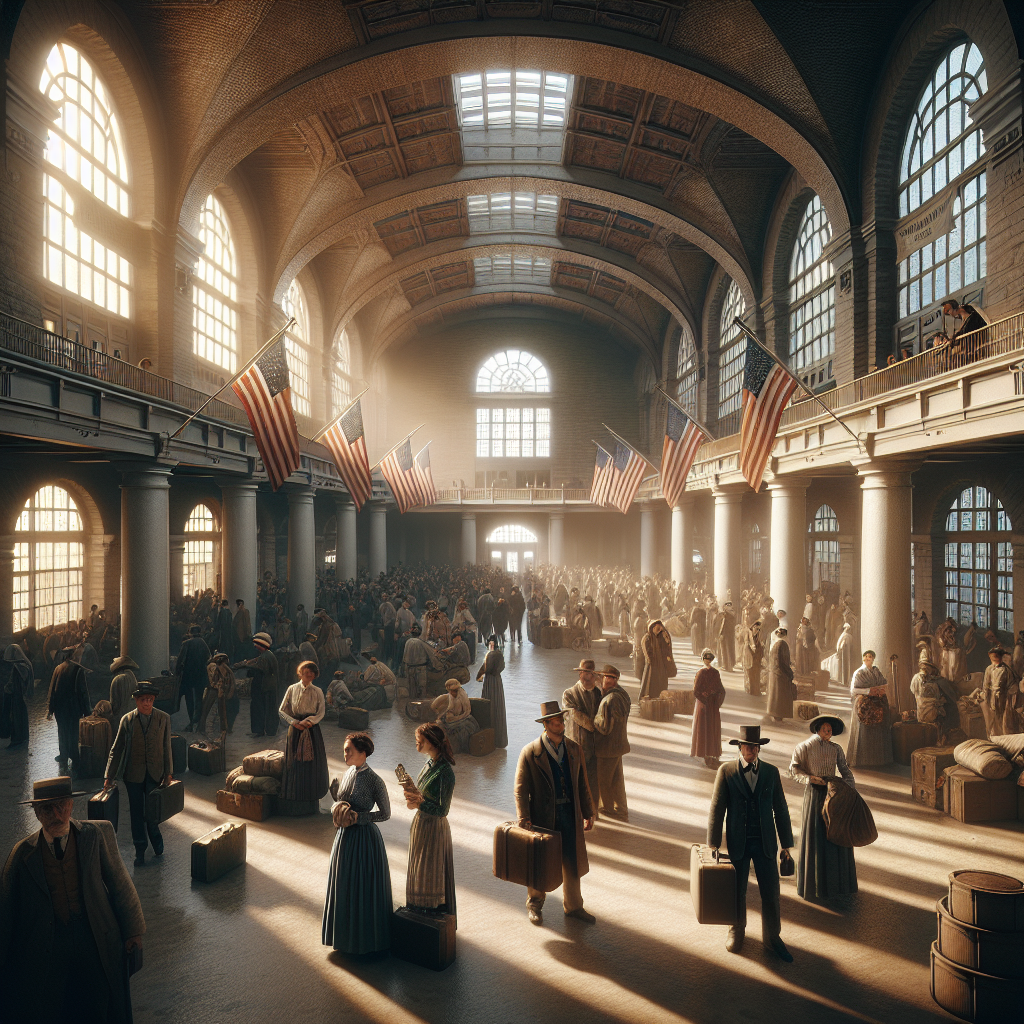
The poem that gave the statue its meaning was an afterthought. Emma Lazarus wrote "The New Colossus" in 1883 as a fundraising contribution for the pedestal campaign, imagining the statue as a "Mother of Exiles" lifting her lamp beside the golden door. The poem was largely forgotten after the dedication; it was only mounted on a plaque inside the pedestal in 1903, 16 years after Lazarus's death, and did not become widely associated with the statue until the Ellis Island immigration wave of the early 20th century gave the words their iconic meaning. By then the poem had fused with the image so completely that separating them became impossible and, for most Americans, unthinkable.
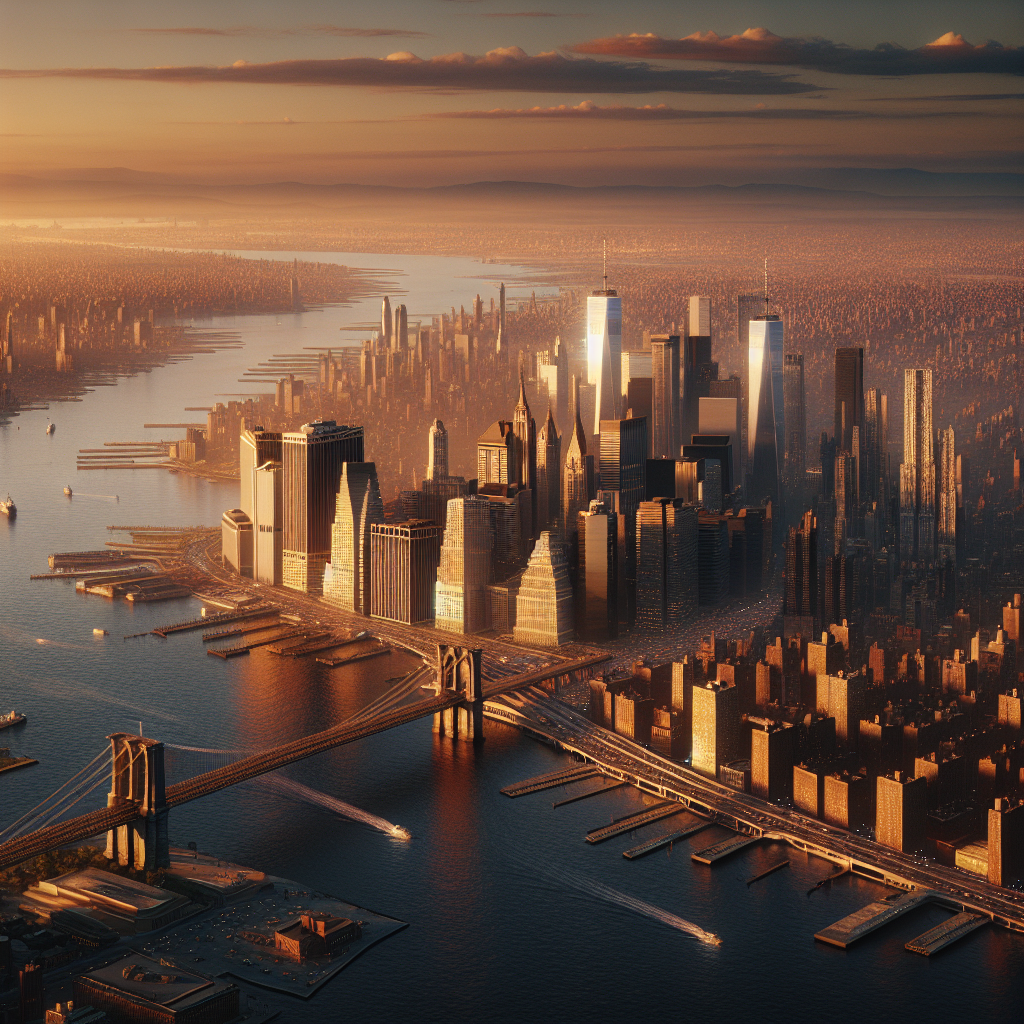
The statue stands 305 feet from the ground to the tip of the torch, on an island that was originally called Bedloe's Island and renamed Liberty Island in 1956. She faces southeast, toward the open ocean and approaching ships, not toward the city behind her. Her crown has seven rays representing the seven continents and seven seas. The broken chains at her feet — largely invisible from most vantage points — represent the abolition of slavery, a detail Bartholdi and Laboulaye built in deliberately but that American popular culture absorbed slowly. She was designated a UNESCO World Heritage Site in 1984. Every year roughly 3.5 million people visit, making her the most visited monument in the Western Hemisphere.
| Dedicated | October 28, 1886 |
| Location | Liberty Island, New York Harbor |
| Total height | 305 feet (ground to torch tip) |
| Sculptor | Frédéric Auguste Bartholdi |
| Engineer | Gustave Eiffel (internal skeleton) |
| Poem | "The New Colossus" by Emma Lazarus (1883) |
| UNESCO | World Heritage Site, 1984 |
| Annual visitors | ~3.5 million |
| Date | October 28, 1886 |
| Location | Liberty Island, New York Harbor |