Independence Day
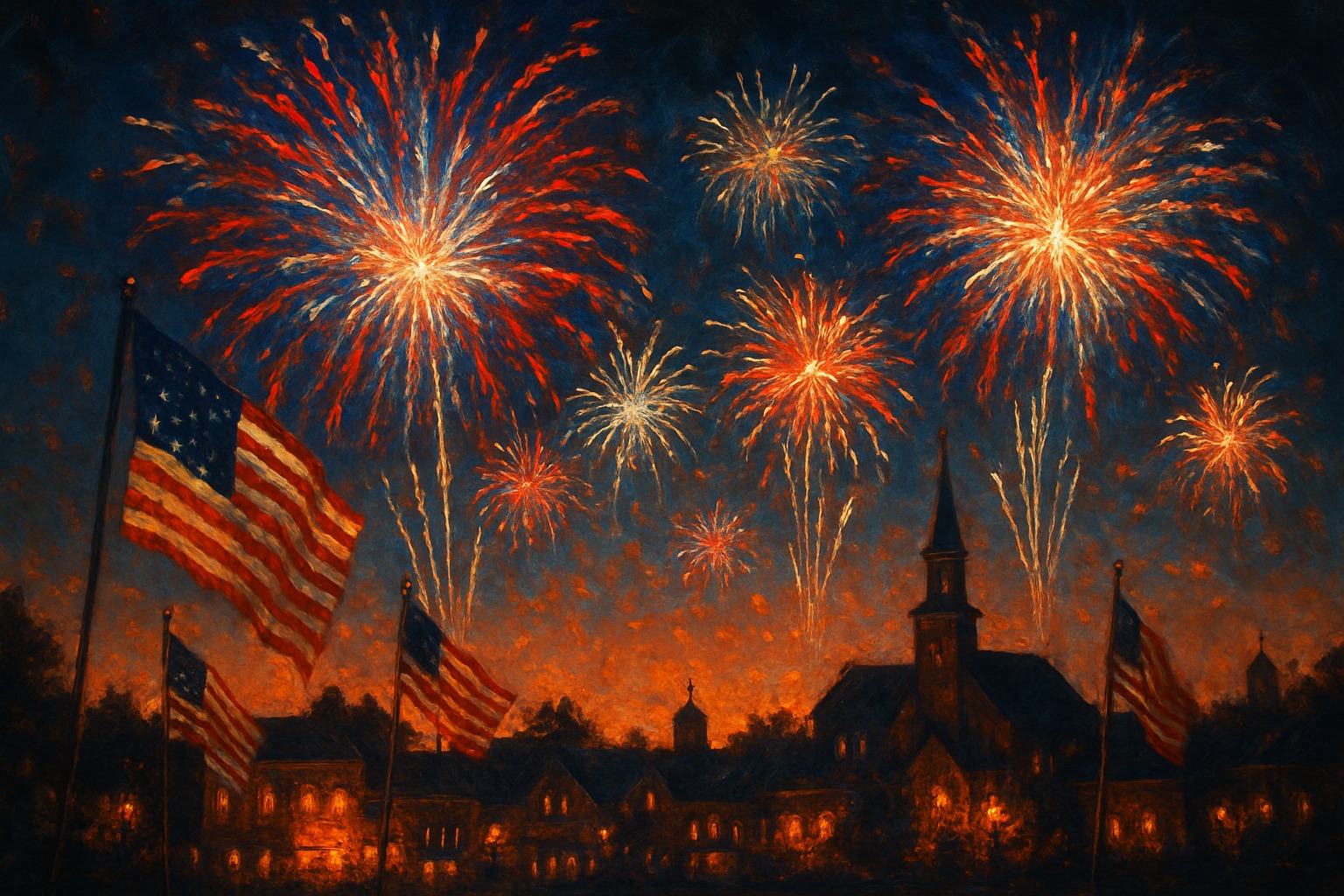
Independence Day, the Fourth of July, marks the adoption by the Continental Congress in 1776 of the Declaration of Independence, the document announcing that the thirteen American colonies considered themselves free of British rule. It is the nation's birthday, the one holiday that commemorates not a person or a battle but the founding act of declaring the United States into existence.
The date itself carries a famous quirk. Congress actually voted for independence on July 2, 1776, and John Adams predicted that the second of July would be celebrated forever. But it was the fourth, the day the wording of the Declaration was approved, that printers put at the top of the page — and that date, not Adams's, became the holiday. Most delegates did not sign the engrossed parchment until weeks later.
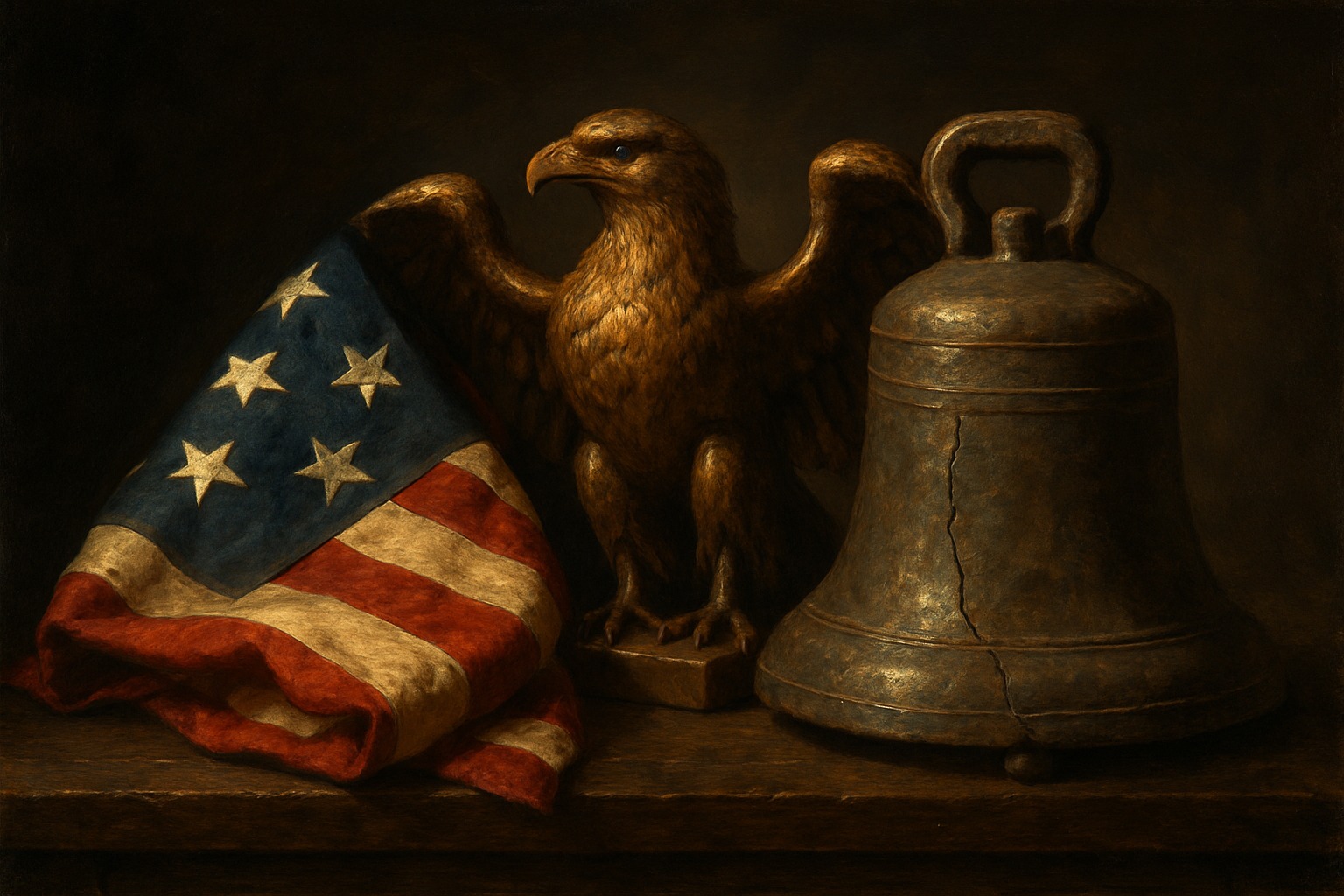
Celebration began almost at once. Philadelphia marked the first anniversary in 1777 with bonfires, bells, and fireworks, setting a template that has barely changed in nearly 250 years. Adams himself had imagined the day observed with "pomp and parade … bonfires and illuminations." Congress made the Fourth an official federal holiday in 1870 and a paid holiday for federal workers in 1938.
A coincidence deepened the day's meaning. On July 4, 1826 — the fiftieth anniversary of the Declaration — both Thomas Jefferson and John Adams, its principal author and its fiercest champion, died within hours of each other. To a young nation it seemed providential, a sign that the founders' work was blessed. The Fourth endures as the great civic festival of American life, a day of fireworks, flags, and the reaffirmation of independence.

| Marks | Adoption of the Declaration of Independence, 1776 |
| The Date | Approved July 4; independence voted July 2 |
| First Celebrated | Philadelphia, 1777 |
| Federal Holiday | Made official in 1870 |
| 1826 | Jefferson and Adams died the same day |
| Date | July 4, 1776 |