Jamestown
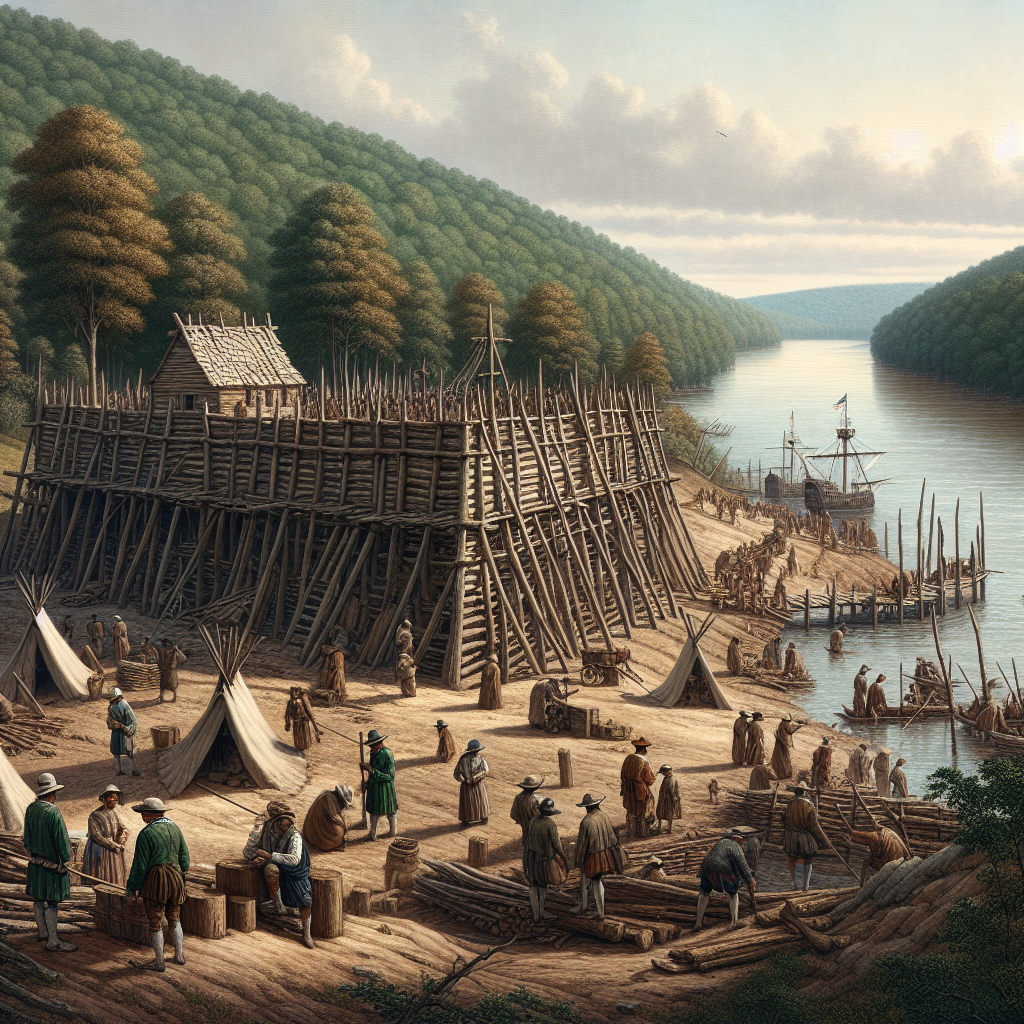
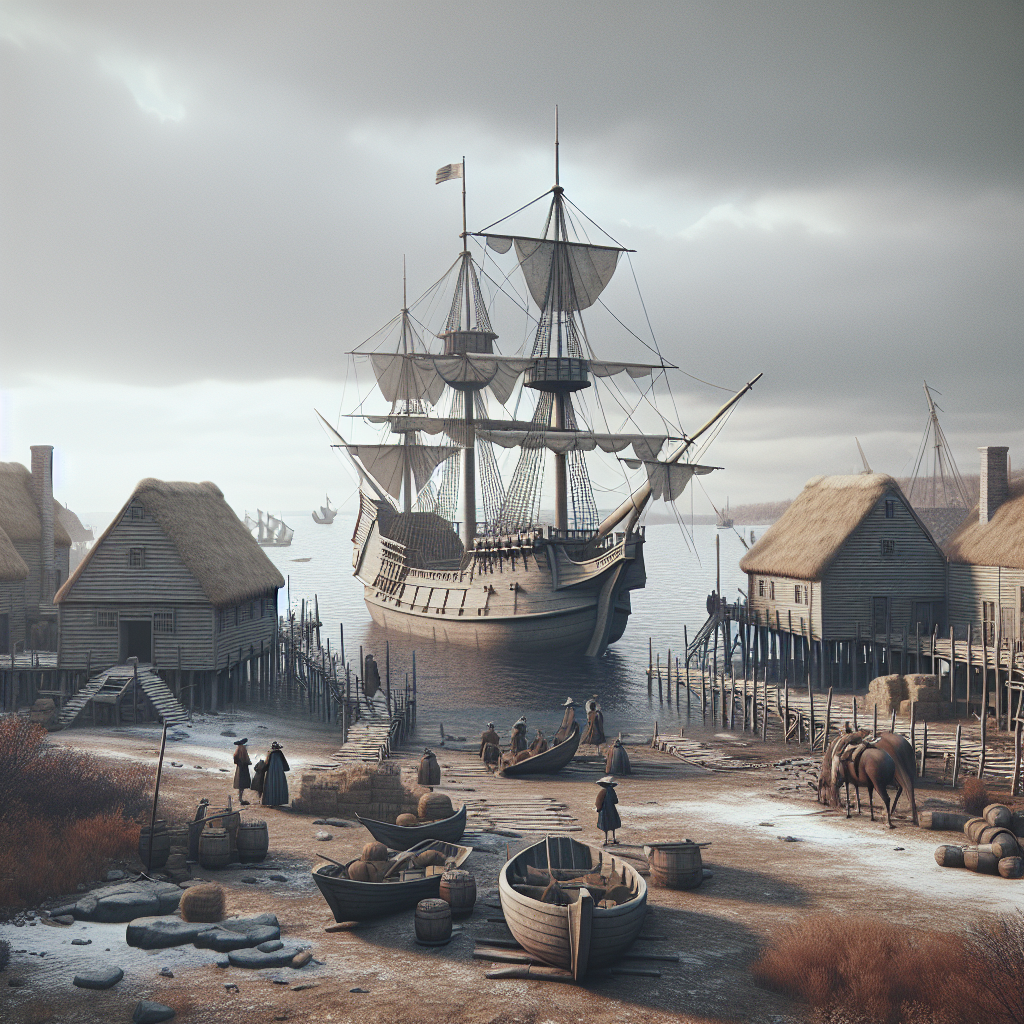
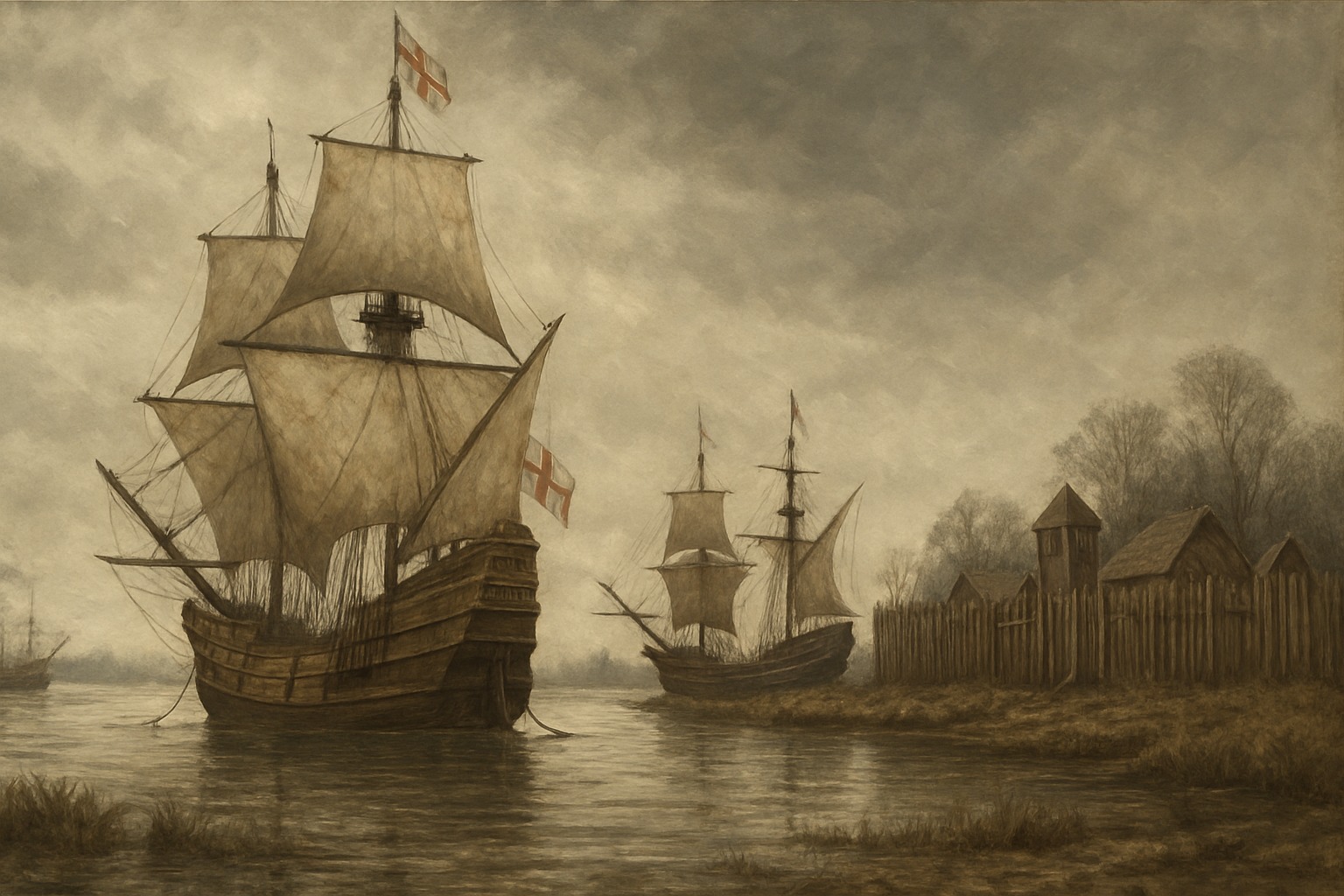
On May 14, 1607, three small Virginia Company ships — the Susan Constant, Godspeed, and Discovery — disembarked 104 English settlers on a low marshy peninsula in the James River about 60 miles inland from the Atlantic. The site was chosen for defensive reasons: deep water close to shore for the ships, no Powhatan villages within easy reach, brackish water that masked the colony's presence from Spanish patrols. Almost every other aspect of the site was disastrous. The peninsula was malarial, the brackish water poisonous to drink in dry months, and the surrounding country already organized under the Powhatan paramount chief Wahunsenacawh — whose roughly 15,000 subjects vastly outnumbered the English and watched them carefully.
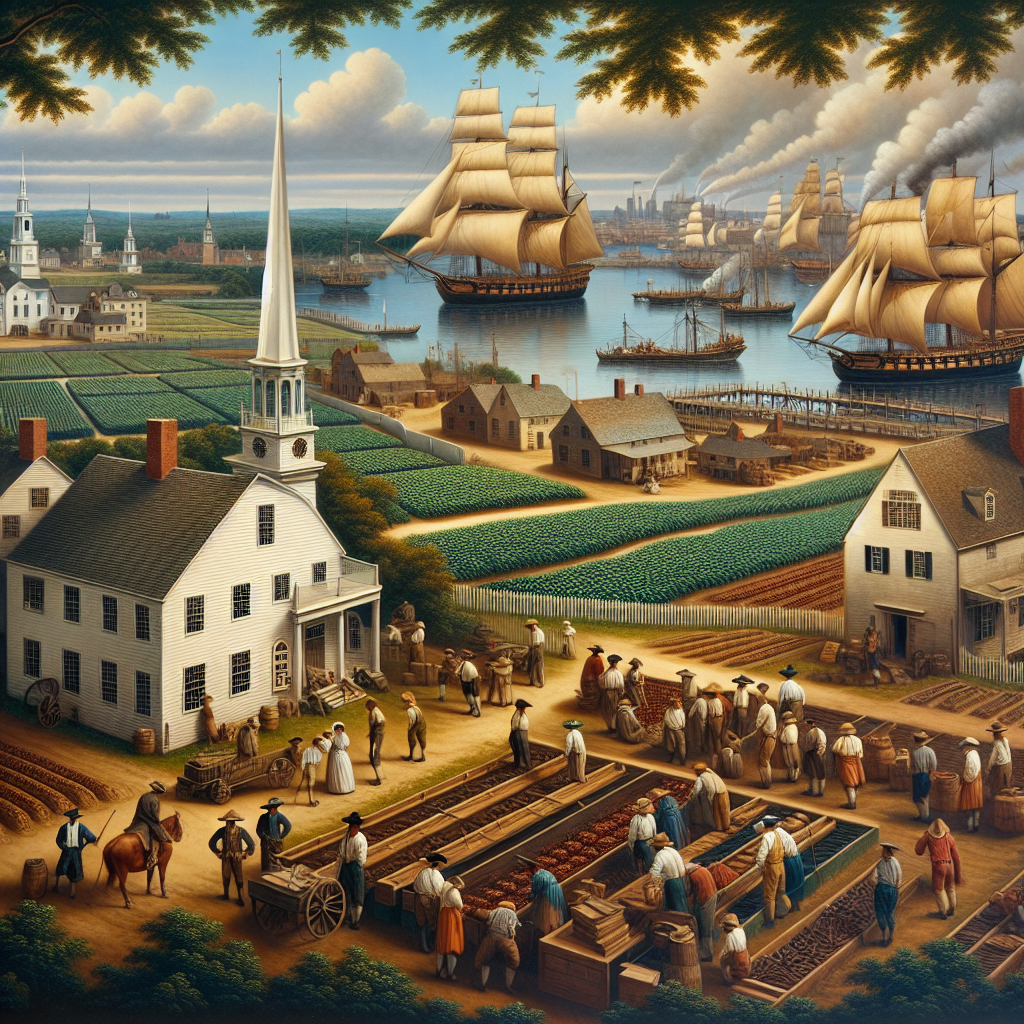
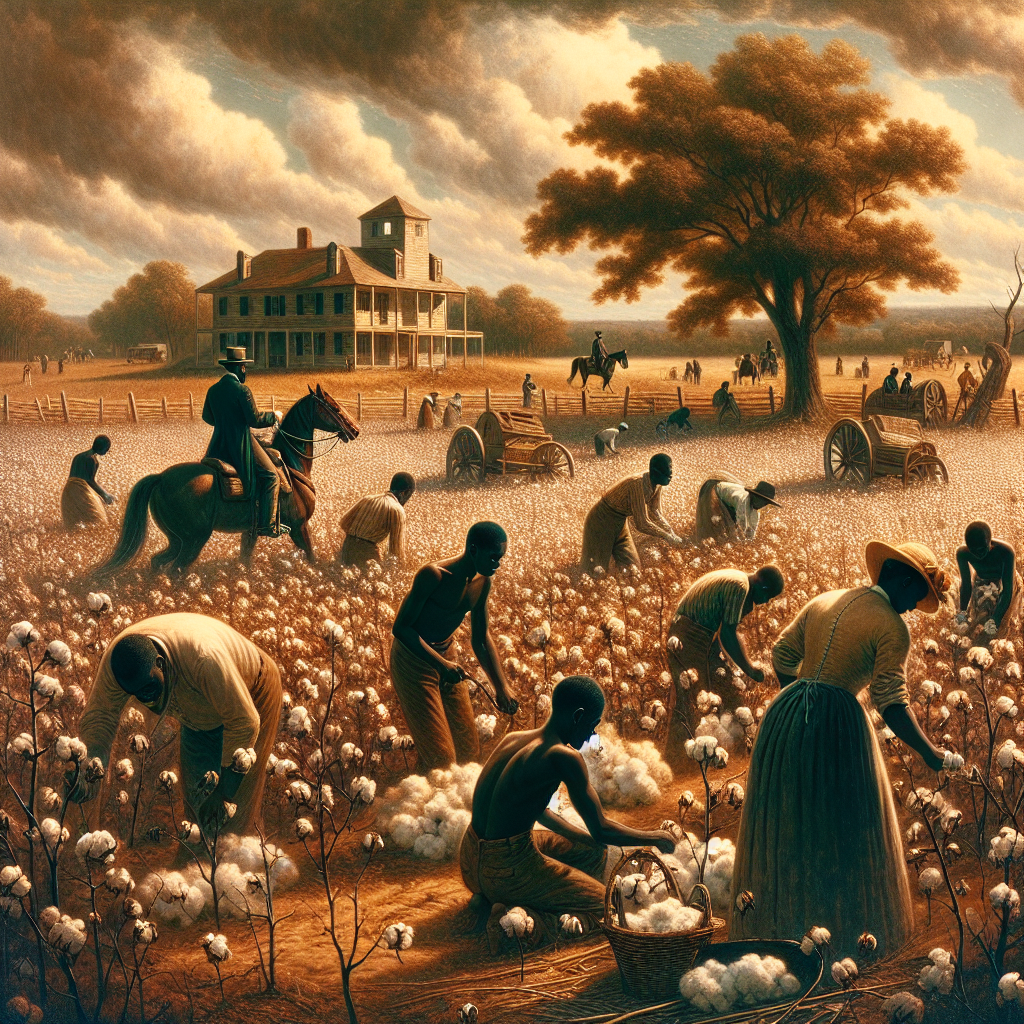
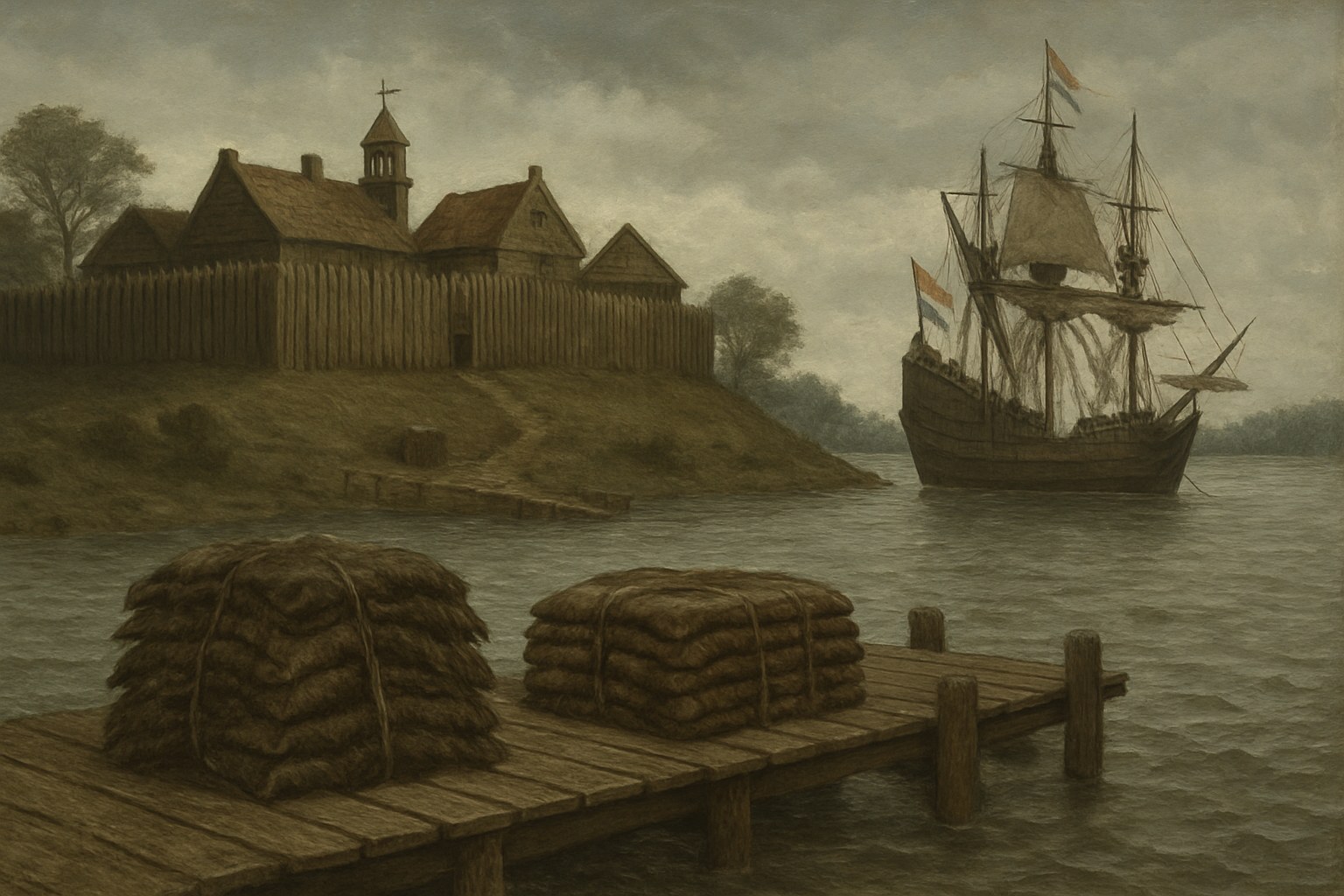
The first three winters were close to lethal. By January 1608, 38 of the original 104 were still alive; the "Starving Time" of winter 1609–1610, when supplies failed and the colony was besieged, reduced about 500 survivors to 60. There are credible documentary and archaeological accounts of cannibalism during that winter. What kept Jamestown alive was John Rolfe's 1612 cross of Caribbean tobacco strains with the local Virginia variety, producing a cultivar Europeans actually wanted to smoke. By 1617 the colony was exporting 20,000 pounds of tobacco a year; by 1640 it was 1.5 million pounds. The labor that grew it came first from English indentured servants and after 1619 increasingly from enslaved Africans, beginning with the "20 and odd" Angolans brought to Point Comfort that summer.
The relationship with the Powhatan deteriorated through three wars between 1610 and 1646, ending in Powhatan defeat and the absorption of remaining lands into the colony. Pocahontas, Wahunsenacawh's daughter, was kidnapped in 1613, converted, married Rolfe in 1614, was paraded through London in 1616, and died at Gravesend in 1617 before she could return home. She is the figure most Americans remember; she was an instrument in a long political negotiation that her people lost. Jamestown was abandoned as the colonial capital in 1699 when Williamsburg was founded inland. The original site was lost under forest and farmland for two centuries; modern archaeology since the 1990s has identified the original 1607 palisade and unearthed nearly two million artifacts.
| Founded | May 14, 1607 |
| Location | James River, Virginia (James City County) |
| Founding entity | Virginia Company of London |
| First winter | 38 of 104 original settlers survived |
| House of Burgesses | First meeting July 30, 1619 |
| First enslaved | August 1619 — "20 and odd" Africans |
| Abandoned | c. 1699–1700 |
| Now | Jamestown Rediscovery archaeological site |
| Date | Founded May 14, 1607 · Abandoned as capital 1699 |
| Location | Jamestown Island, Virginia |