War of 1812
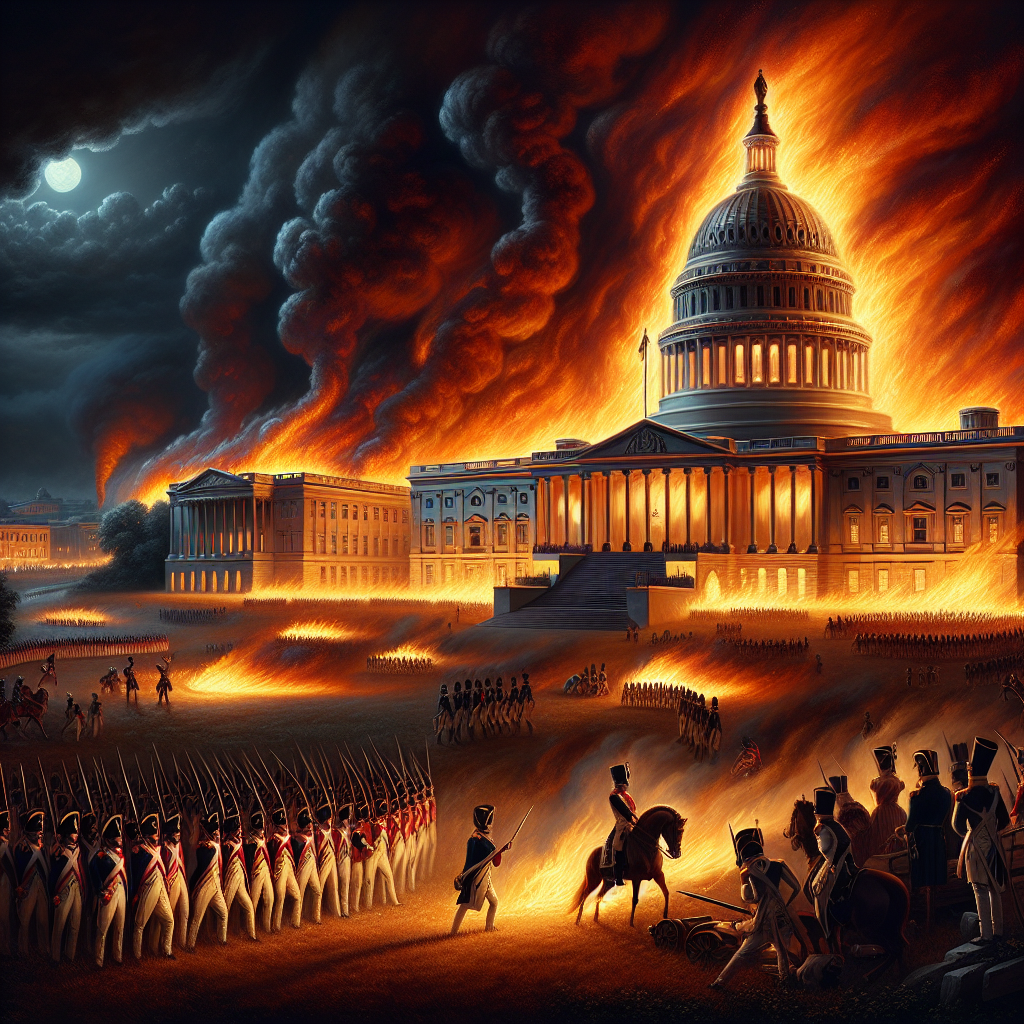
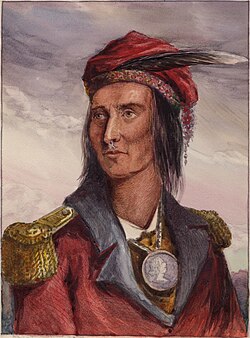
The War of 1812 is the most misunderstood conflict in American history, largely because Americans have never been quite sure what it was for. The official cause was British impressment of American sailors and interference with American shipping during the Napoleonic Wars — real grievances, though not quite war-worthy. The actual motivations of the war's most vocal supporters, the "War Hawks" of the South and West led by Henry Clay and John C. Calhoun, included the desire to annex Canada and to pacify the Native confederacy that Tecumseh was building with British encouragement. The war achieved neither. It was also the occasion on which the British burned Washington, D.C., the only time since the Revolution that a foreign power has occupied the American capital.
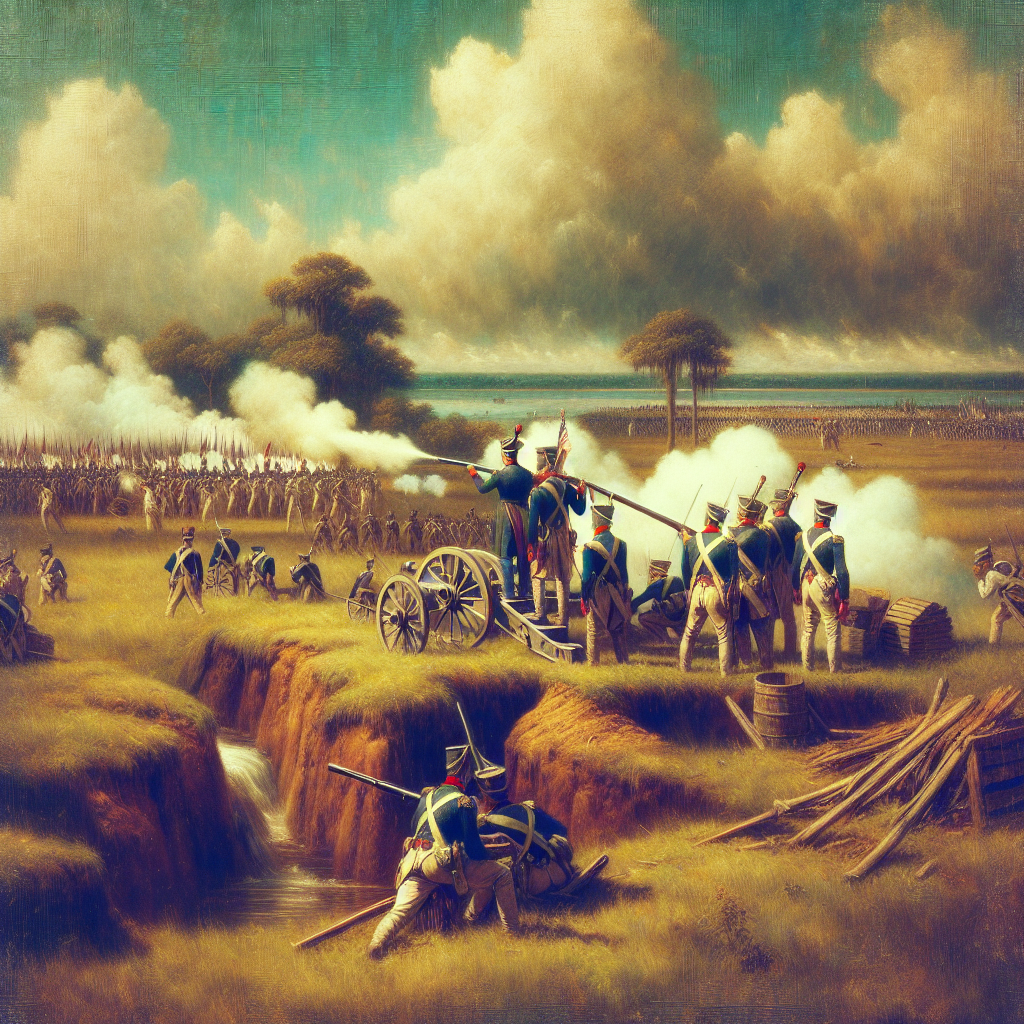
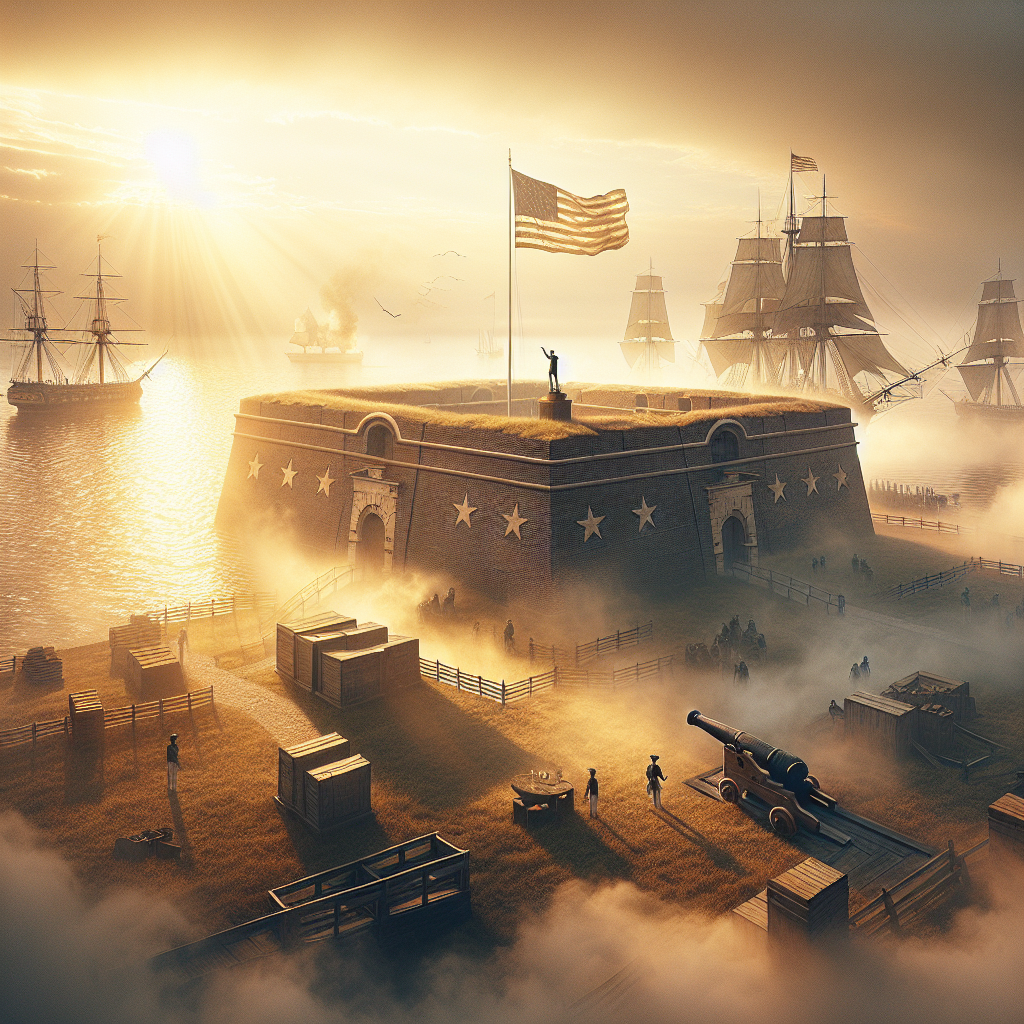
The military record was almost uniformly embarrassing for the Americans. The invasion of Canada failed multiple times. Detroit was surrendered without a fight in August 1812. The Madison administration proved comprehensively unable to organize a war effort against a British military distracted but not paralyzed by its European campaigns. The burning of Washington in August 1814 — including the White House and the Capitol — was the nadir. What saved the republic's dignity was the performance of the Navy in single-ship actions, the successful defense of Baltimore that inspired Francis Scott Key to write what would become the national anthem, and the Battle of New Orleans — fought after the peace treaty was signed, by troops who didn't know the war was over.
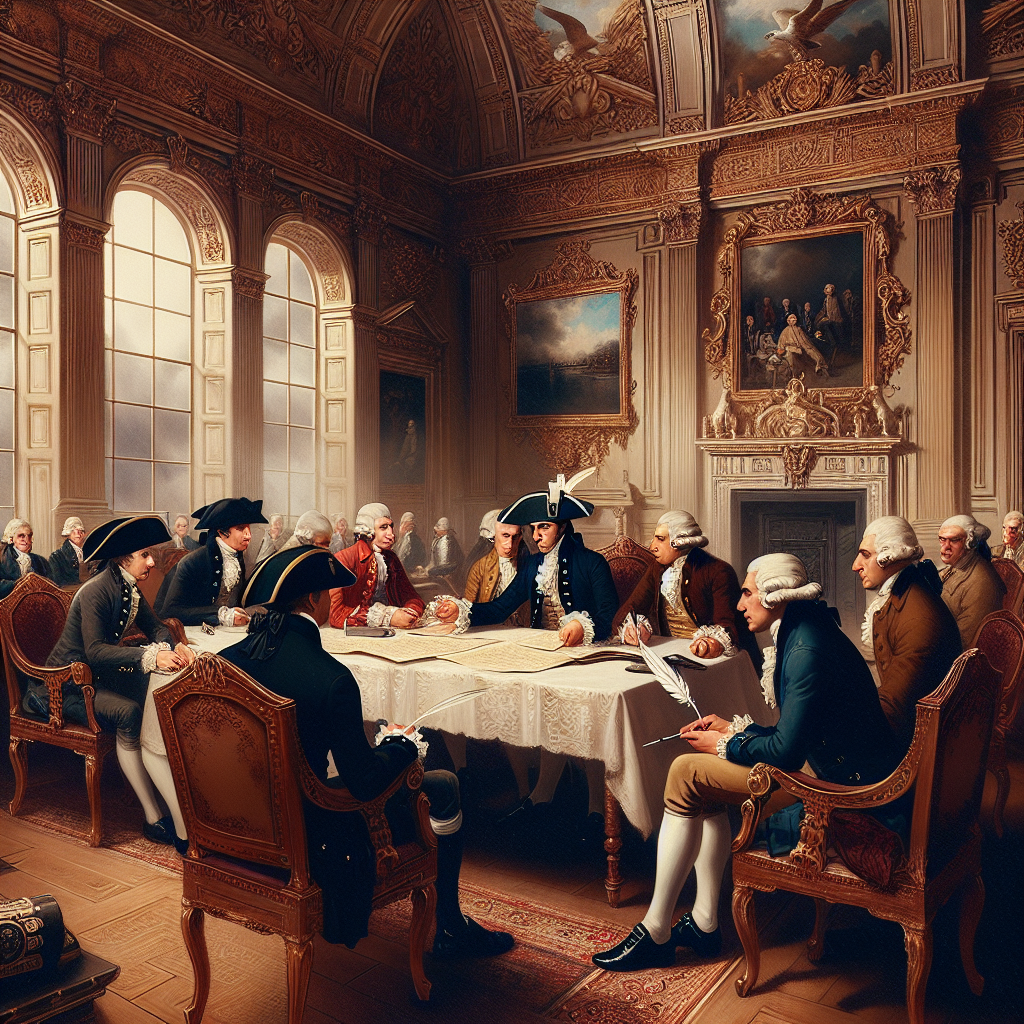
The Treaty of Ghent, signed December 24, 1814, restored the prewar status quo with no territorial changes and no resolution of the impressment issue. By any objective measure it was a draw. What it produced, paradoxically, was a surge of American nationalism — the feeling that the young republic had stood up to the greatest military power on earth and survived. The war ended British support for Native resistance on the frontier, accelerating the dispossession that Manifest Destiny would complete, and produced Andrew Jackson and the era of democratic politics that bore his name. Tecumseh was killed in battle in 1813; his confederacy collapsed; and the last serious pan-tribal resistance to American expansion east of the Mississippi died with him.
| Dates | June 18, 1812 – February 17, 1815 |
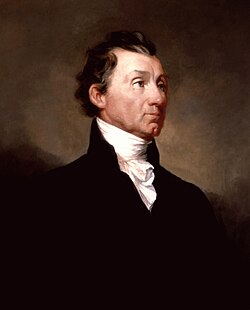
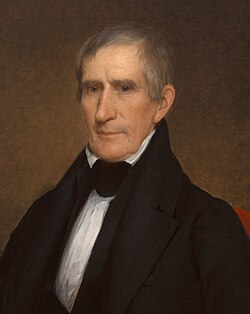
| U.S. president | James Madison |
| Washington burned | August 24–25, 1814 |
| Treaty | Treaty of Ghent, December 24, 1814 |
| Battle of New Orleans | January 8, 1815 (after peace treaty) |
| National anthem | Written September 14, 1814 by Francis Scott Key |
| Tecumseh killed | October 5, 1813 — Battle of the Thames |
| Net territorial change | None |
| Date | June 18, 1812 – February 17, 1815 |
| Location | United States |