Thomas Paine
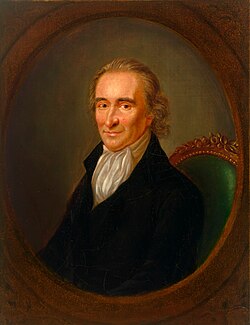
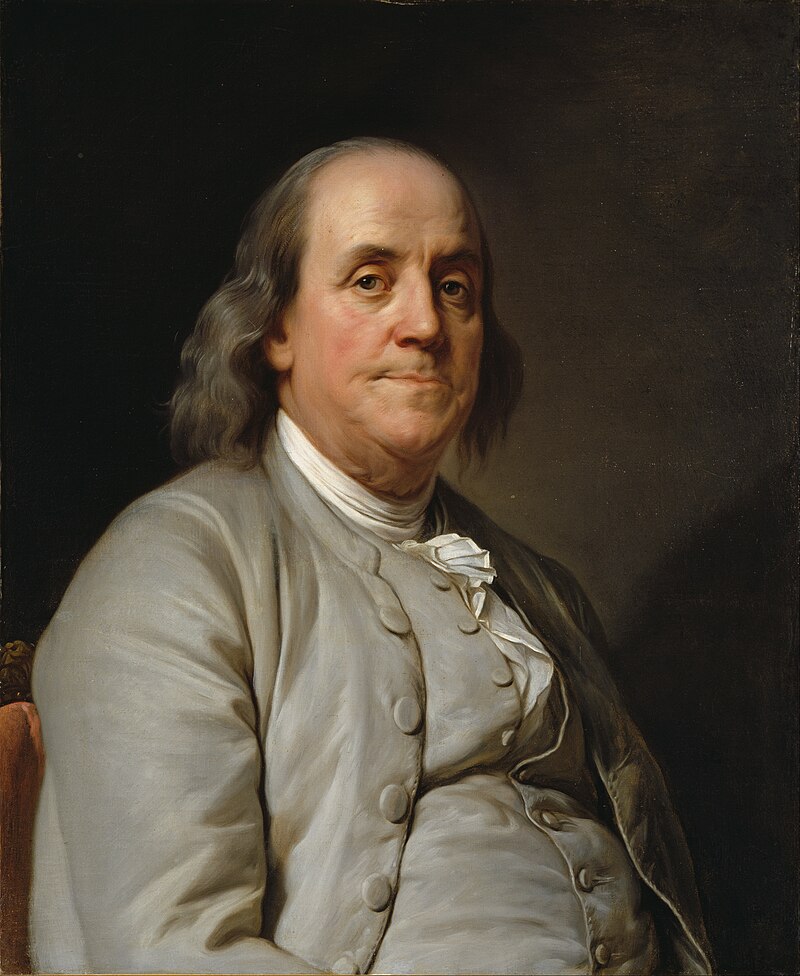
Thomas Paine arrived in Philadelphia in November 1774 with a letter of introduction from Benjamin Franklin and essentially nothing else — no money, no connections, no reputation in the colonies that were edging toward rebellion. Fourteen months later, he published Common Sense, a 47-page pamphlet arguing in plain, furious prose that monarchy was an absurdity, that hereditary rule was a crime against reason, and that the colonies should declare independence immediately rather than continuing to seek reconciliation with a king who had forfeited any claim to their loyalty. Within three months, more than 100,000 copies were in circulation — a proportion of the colonial population never matched by any political publication before or since.
Paine's genius was in the translation. The arguments for independence had been circulating in pamphlets and coffeehouses for years among men who read Latin and cited Locke. Paine wrote for people who didn't. He stripped the philosophy of its classical ornamentation and put it in the language of a tradesman — direct, angry, urgent. When Washington's army was near collapse in December 1776, Paine produced the first of his sixteen American Crisis essays, opening with "These are the times that try men's souls." Washington ordered it read aloud to his troops. It is one of the few pieces of writing that can plausibly be said to have changed the outcome of a battle.
Paine's later years were a study in how republics treat their radicals. He went to France, supported the Revolution, narrowly escaped the guillotine under Robespierre, and wrote The Age of Reason — a deist critique of organized religion that destroyed his reputation in America. He returned in 1802 to find himself despised, largely friendless, and largely forgotten. Only six people attended his funeral in 1809. Within two generations he had been rediscovered as a foundational voice of American democracy — and within two more, his pamphlets were back in print everywhere people were trying to argue their way to freedom.





| Born | January 29, 1737 — Thetford, Norfolk, England |
| Died | June 8, 1809 — New York City |
| Arrived in America | November 1774 — with a letter from Benjamin Franklin |
| Major Works | Common Sense (1776); The American Crisis (1776–1783); The Rights of Man (1791); The Age of Reason (1794) |
| Common Sense | 100,000+ copies in circulation within three months of publication |
| Later Life | Imprisoned in France under Robespierre; returned to U.S. in disgrace, 1802 |
| Years | 1737–1809 |
| Location | Philadelphia, Pennsylvania / New York City |