Electoral College
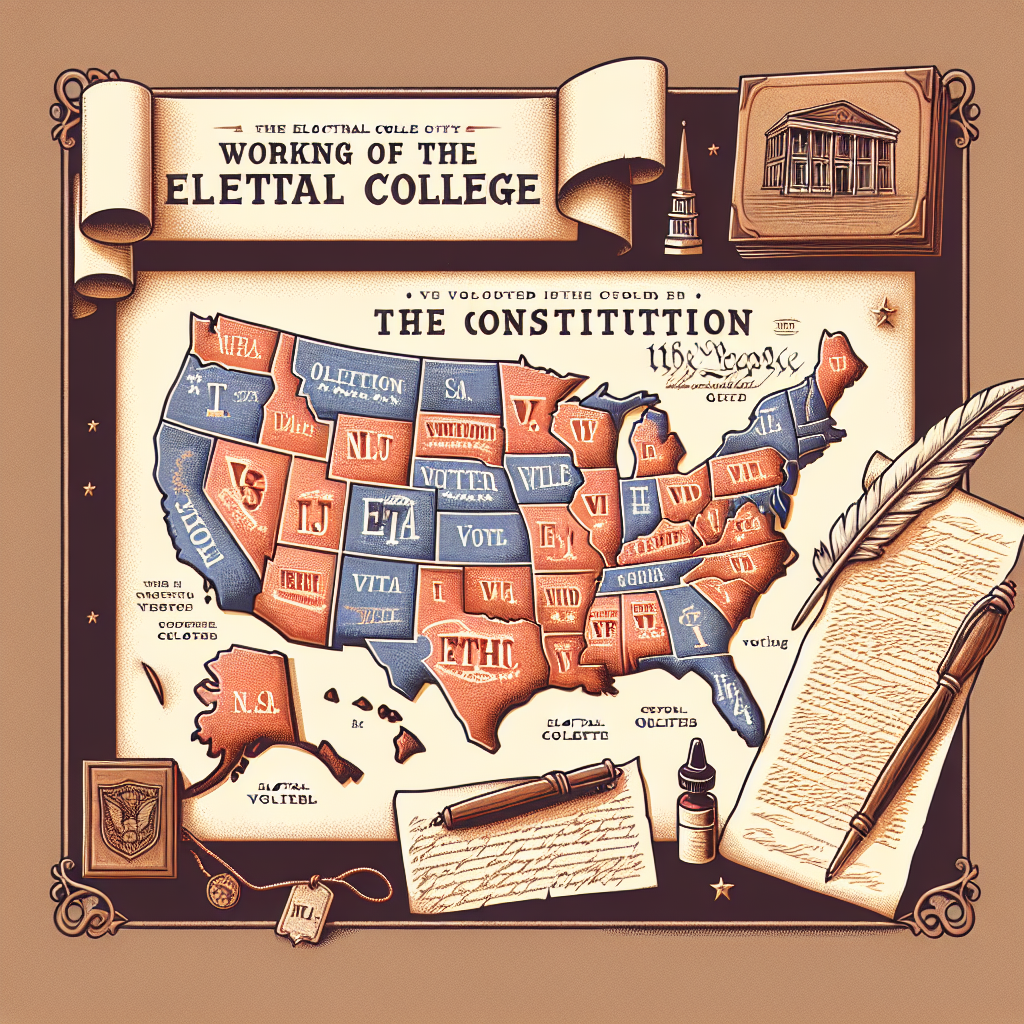
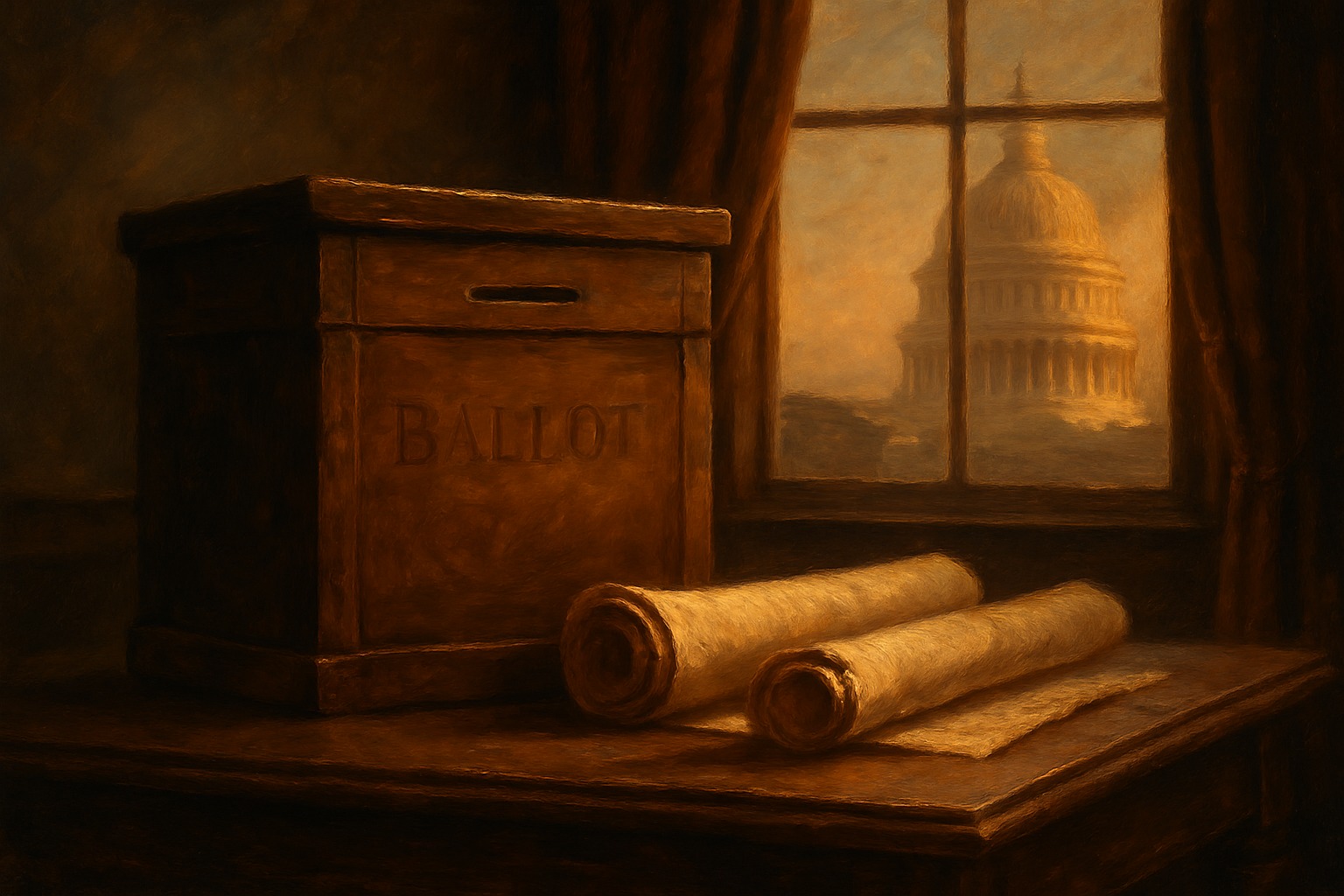
The Constitutional Convention of 1787 produced a mechanism for electing presidents that no other democracy has successfully imitated: a body of electors chosen state by state, who meet separately in their own capitals and cast votes tallied in Congress. The Framers who designed it distrusted direct democracy, worried about demagogues exploiting an uninformed electorate, and needed a system that could function across a continent without rapid communication. They called it the electoral college — though that phrase appears nowhere in the Constitution — and began arguing almost immediately about whether they had designed it correctly.
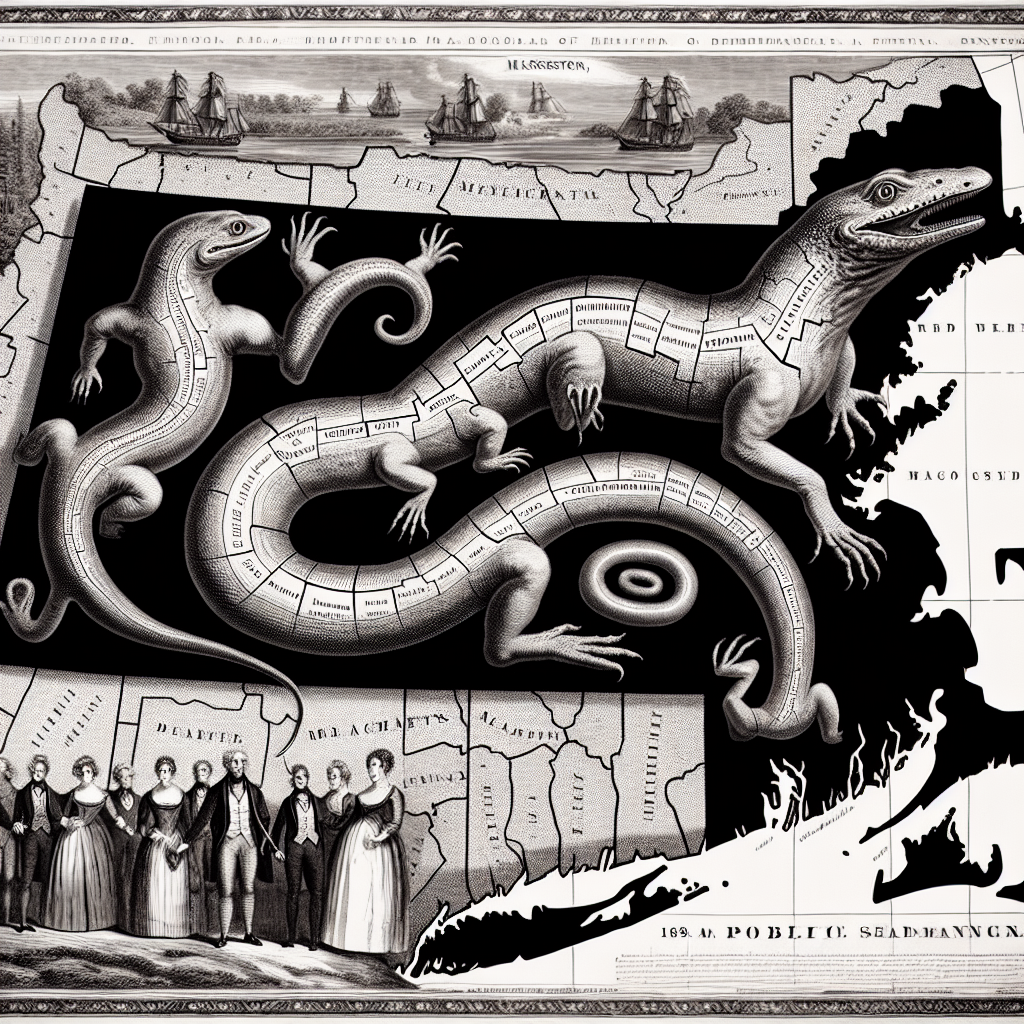
The system has produced five presidents who lost the popular vote: John Quincy Adams in 1824, Rutherford B. Hayes in 1876, Benjamin Harrison in 1888, George W. Bush in 2000, and Donald Trump in 2016. Each case generated a national argument about democratic legitimacy. The winner-take-all method used by 48 states — not required by the Constitution, adopted by individual states — concentrates presidential campaigns into a handful of competitive states and effectively makes the votes of residents in safe states count for less in determining the outcome. The system also gives smaller states proportional weight beyond their population.
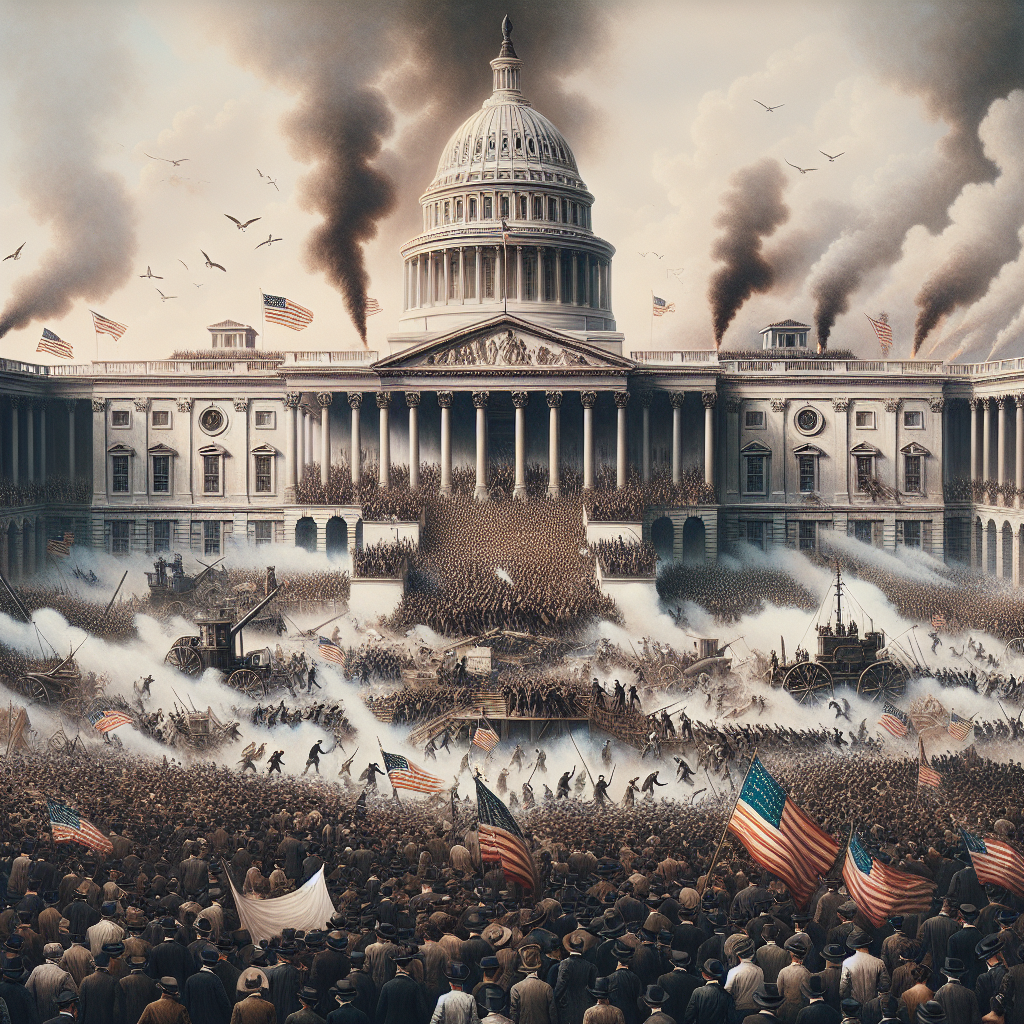
The most acute constitutional test came in January 2021, when Vice President Mike Pence was pressured to refuse to certify election results from contested states — a power the office does not constitutionally possess. The subsequent Electoral Count Reform Act of 2022 clarified the Vice President's role as purely ceremonial in the certification process, closing a gap in the original design that had gone unaddressed for 135 years. Whether to abolish the electoral college, reform it through the National Popular Vote Interstate Compact, or leave it unchanged remained among the most durable unresolved arguments in American constitutional life.

| Established | Article II, Section 1 — U.S. Constitution, ratified 1788 |
| Total Electors | 538 (435 House + 100 Senate + 3 for D.C. per 23rd Amendment) |
| To Win | 270 electoral votes required |
| Popular Vote Splits | Five elections (1824, 1876, 1888, 2000, 2016) |
| Winner-Take-All | Used by 48 states; not required by Constitution |
| Reform Attempt | Electoral Count Reform Act (2022) clarified certification process |
| Alternative Proposal | National Popular Vote Interstate Compact — in progress as of 2026 |
| Years | 1787 |
| Location | Philadelphia, Pennsylvania |