Eighteenth Amendment
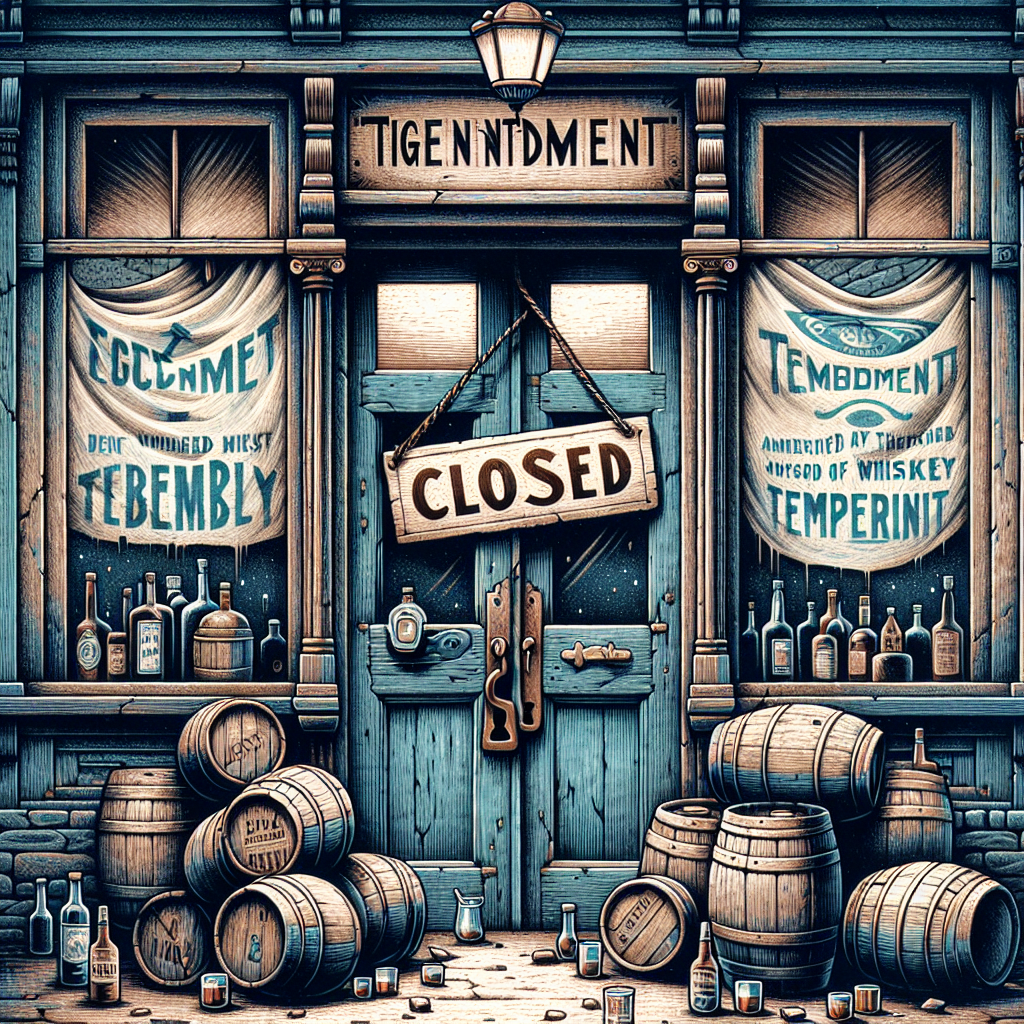
The Eighteenth Amendment to the U.S. Constitution, ratified on January 16, 1919, prohibited the manufacture, sale, and transportation of intoxicating liquors throughout the United States. It was the culmination of decades of temperance organizing — led by the Anti-Saloon League and the Women's Christian Temperance Union — that had argued alcohol was the primary engine of poverty, domestic violence, and social disorder in American cities. Congress implemented the ban through the Volstead Act later that year, defining "intoxicating" as anything above one-half of one percent alcohol by volume.
What followed was neither the moral regeneration the amendment's supporters had promised nor the complete failure its critics later caricatured. Alcohol consumption did decline significantly in the early years — by some estimates as much as 30 percent — and deaths from cirrhosis dropped sharply. But the enforcement mechanism proved catastrophically inadequate. The Bureau of Prohibition was underfunded, understaffed, and substantially corrupted. The demand for alcohol did not disappear; it migrated underground, creating the illicit economy that made figures like Al Capone enormously wealthy and made a mockery of the law in hundreds of American cities.
Prohibition produced a cascade of unintended consequences: it strengthened organized crime beyond anything that had preceded it, generated widespread contempt for law enforcement, displaced drinking from licensed saloons into unregulated spaces, and established enduring patterns of corruption between criminal organizations and public officials. The amendment was repealed by the Twenty-First Amendment in 1933 — the only instance in American history of one constitutional amendment being revoked by another.
| Ratified | January 16, 1919 |
| Effective | January 17, 1920 |
| Prohibited | Manufacture, sale, and transportation of intoxicating liquors |
| Enforced By | Volstead Act (1919); Bureau of Prohibition |
| Repealed By | Twenty-First Amendment, December 5, 1933 |
| Duration | 13 years, 10 months |
| Key Advocates | Anti-Saloon League; Women's Christian Temperance Union (WCTU) |
| Date | Ratified January 16, 1919; effective January 17, 1920 |
| Location | Washington, D.C. |