Twenty-seventh Amendment

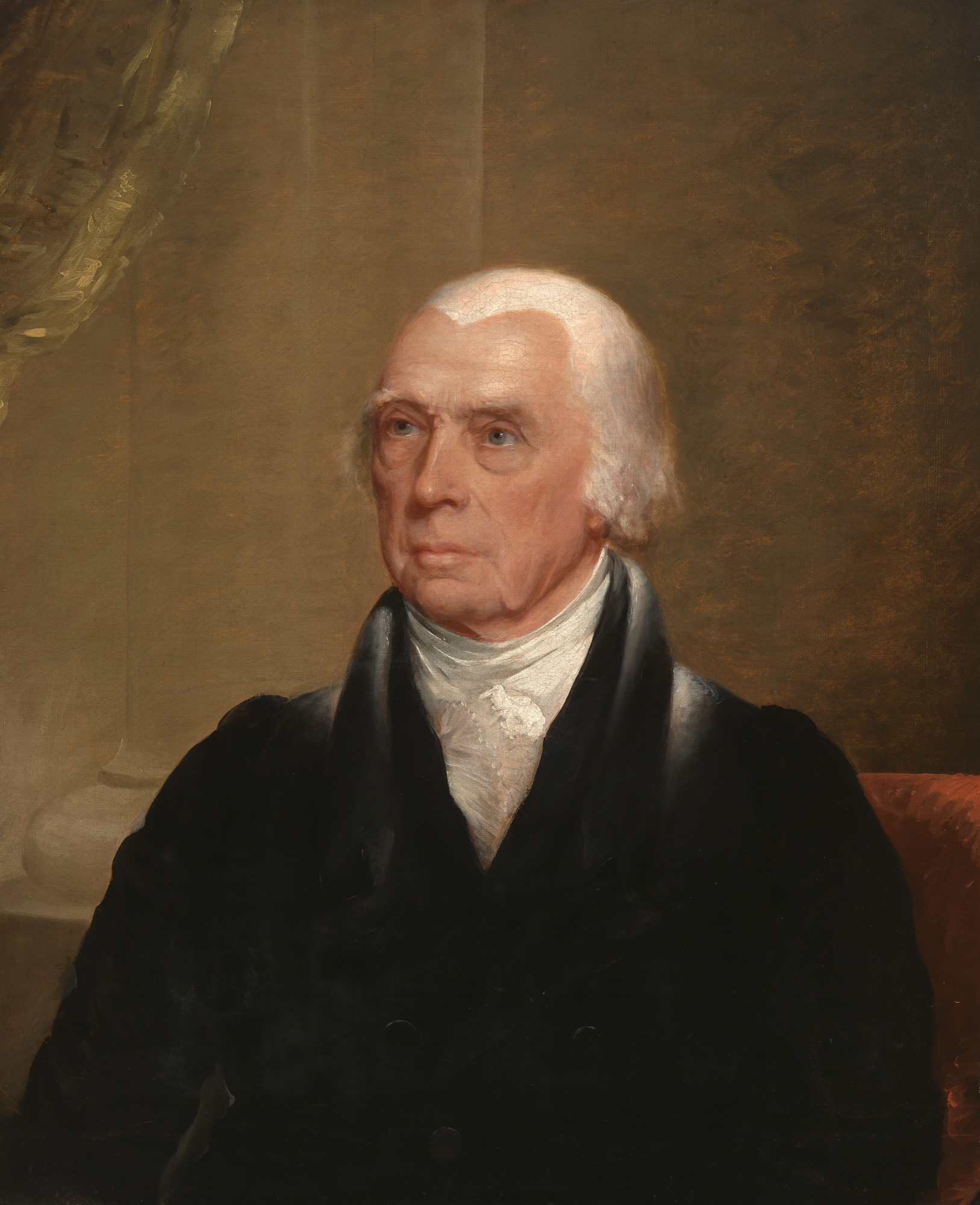
The Twenty-seventh Amendment bars any change in the pay of members of Congress from taking effect until after the next election of the House of Representatives. Its content is modest; its history is extraordinary. Written by James Madison in 1789 as part of the original package that became the Bill of Rights, it was not ratified until 1992 — a gap of more than 202 years, by far the longest in the history of any constitutional amendment.
The amendment simply failed to gather enough states in the 1790s and then lay dormant, all but forgotten. It had no ratification deadline, so it never technically died. Its revival began in 1982 with Gregory Watson, a University of Texas sophomore who wrote a paper arguing the amendment was still pending and could yet be ratified. He got a C. Undeterred, he launched a national letter-writing campaign urging state legislatures to take it up.
State by state through the 1980s, Watson's campaign worked. Michigan became the thirty-eighth state to ratify in May 1992, and the amendment — proposed in the first Congress — quietly became part of the Constitution more than two centuries later. Its adoption raised thorny questions about whether an amendment could really be ratified across so vast a span of time, but Congress and the archivist accepted it, and the C-graded paper became one of the strangest success stories in American constitutional history.
| Proposed | September 25, 1789 (by James Madison) |
| Ratified | May 7, 1992 |
| Concern | Delays congressional pay raises until after an election |
| Record | Longest ratification in history — over 202 years |
| Revived by | Gregory Watson, a college student, in 1982 |
| Date | Proposed 1789, ratified May 7, 1992 |