Twenty-sixth Amendment
The Twenty-sixth Amendment, ratified in 1971, lowered the voting age from twenty-one to eighteen. It was adopted faster than any other amendment in American history — approved by the states in just over three months — driven by a simple argument sharpened by the Vietnam War: if a young man could be drafted and sent to die at eighteen, he should be able to vote.
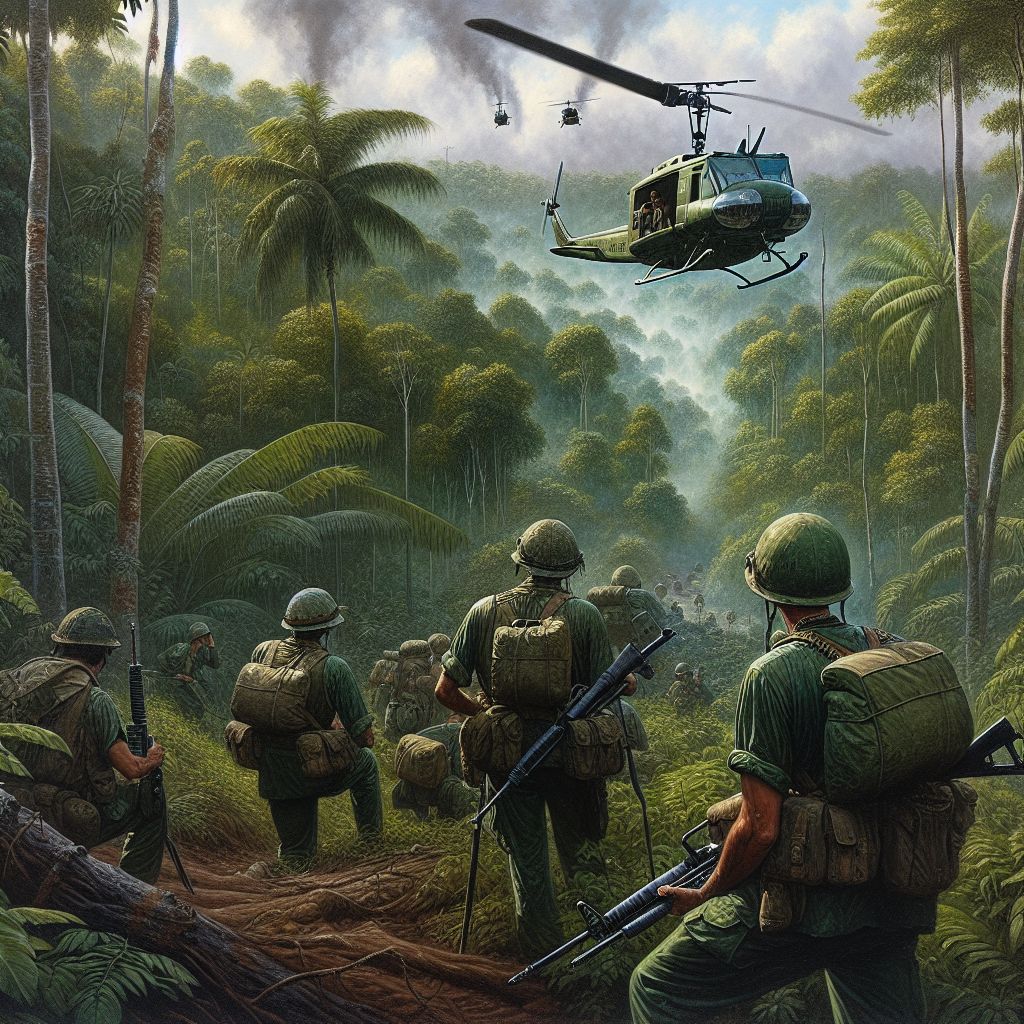
The slogan old enough to fight, old enough to vote had circulated since World War II, but Vietnam gave it force. As tens of thousands of eighteen-to-twenty-year-olds were conscripted, the mismatch between military obligation and political voicelessness became untenable. Congress first tried to lower the age by statute in 1970, but the Supreme Court, in Oregon v. Mitchell, ruled that Congress could set the age only for federal elections — creating the absurd prospect of separate voter rolls. A constitutional amendment was the clean fix.
The amendment enfranchised roughly eleven million new voters overnight and reshaped American politics by adding the youngest cohort to the electorate. Youth turnout has often lagged that of older voters, a persistent frustration for campaigns that court the young. But the principle it settled — that legal adulthood and the franchise should align — has held without serious challenge for more than half a century.
| Ratified | July 1, 1971 |
| Lowered | Voting age from 21 to 18 |
| Record | Fastest ratification in U.S. history (about 100 days) |
| Context | The Vietnam War draft |
| Slogan | Old enough to fight, old enough to vote |
| Date | Ratified July 1, 1971 |