Checks and Balances
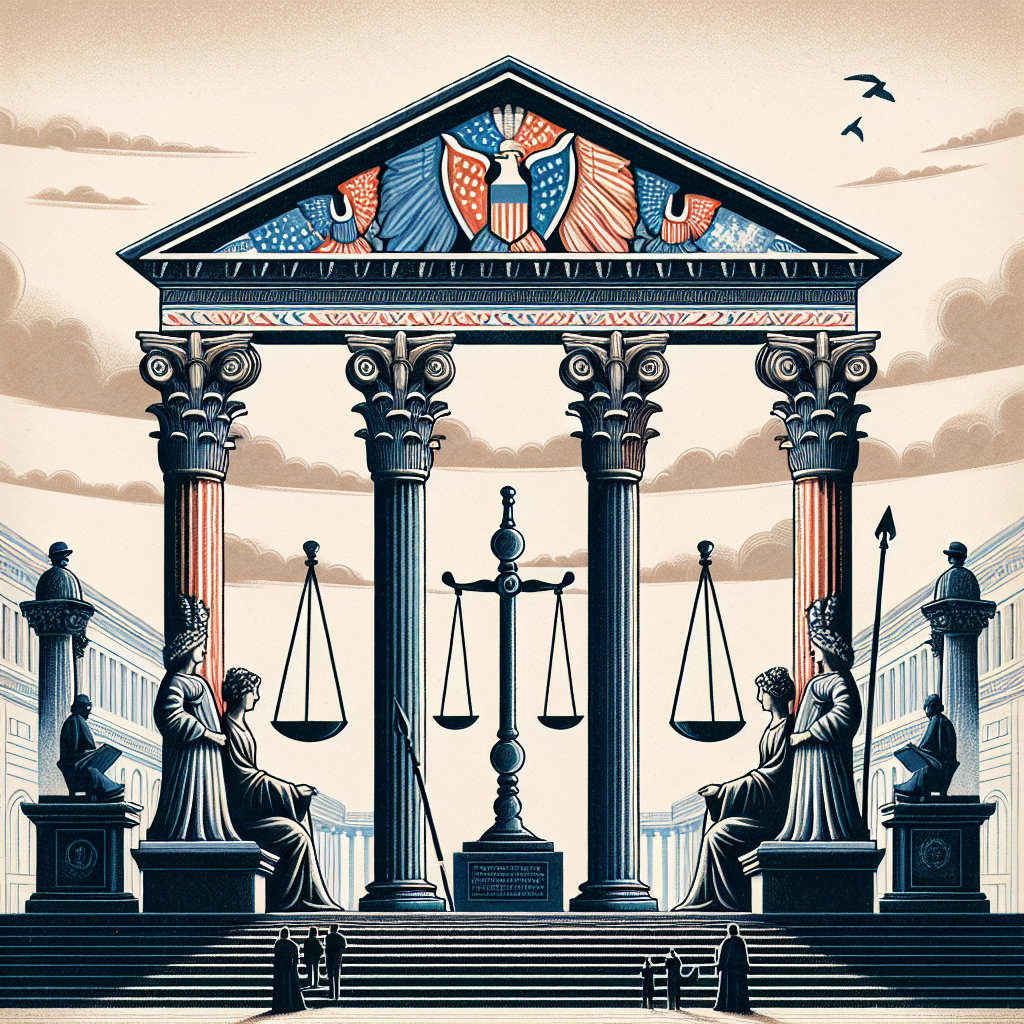
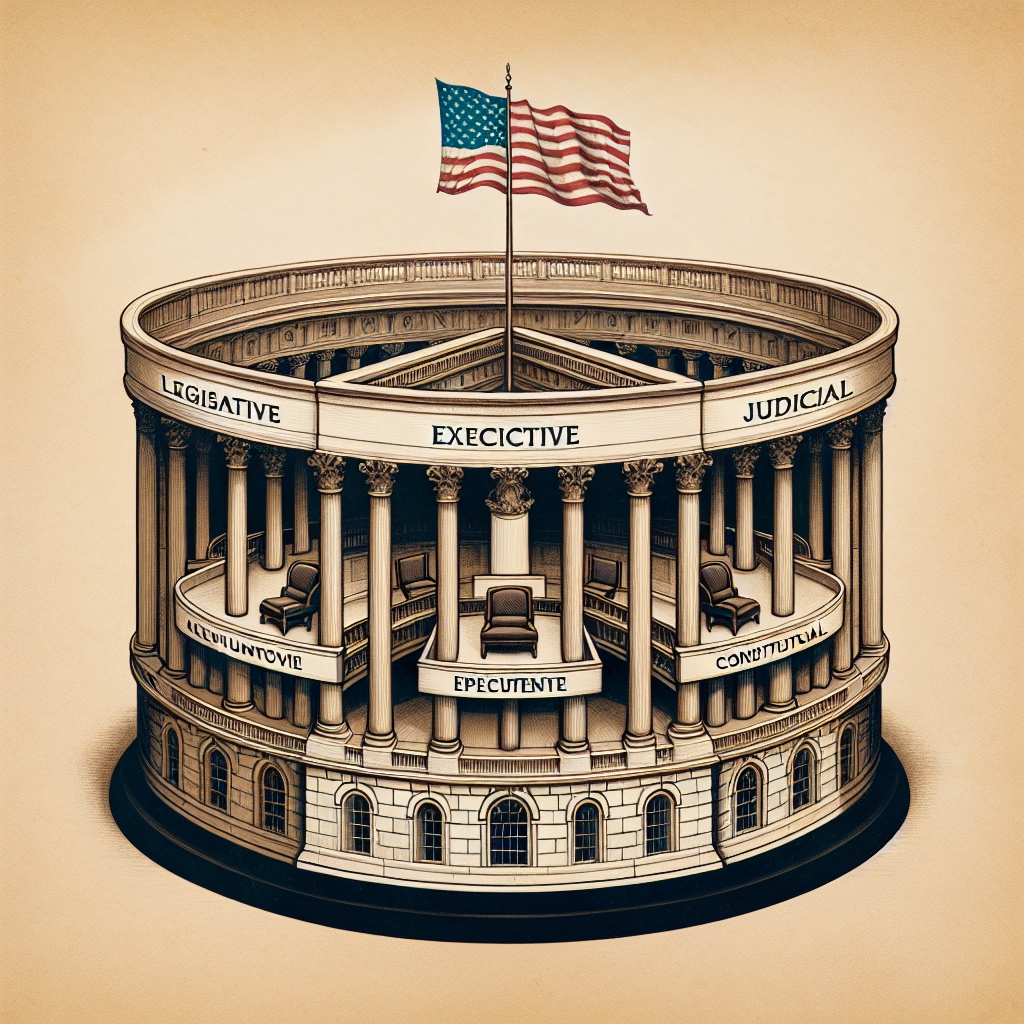
The framers of the Constitution were students of history and deeply suspicious of concentrated power. Having lived under a king and fought a revolution to escape him, they designed a government in which each of three branches — legislative, executive, and judicial — held specific powers to restrain the others. The president can veto acts of Congress; Congress can override that veto and can remove the president through impeachment; the courts can strike down acts of both. No single branch was meant to dominate, and none could act unilaterally across the full range of government power. This interlocking system of restraints is what the framers called checks and balances.
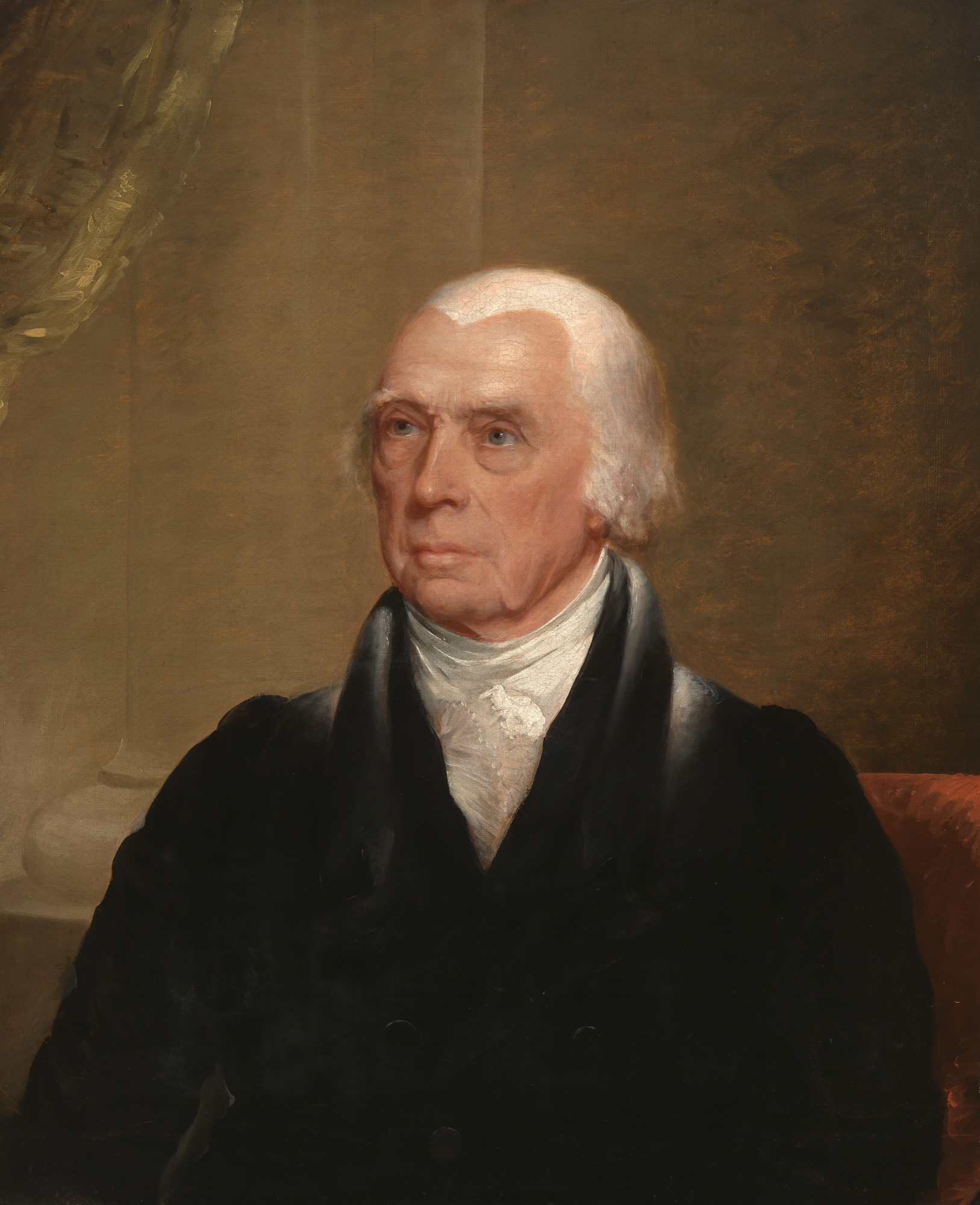
The intellectual foundations came primarily from Montesquieu's Spirit of the Laws, which the framers read closely, and from their own bitter experience with unchecked power. Madison articulated the principle most memorably in Federalist No. 51: ambition must be made to counteract ambition, and the structure of government must supply the defect of better motives. The design assumed that officeholders would be self-interested — that senators would protect senatorial prerogatives, that presidents would resist congressional encroachment — and that this institutional self-interest would produce balance without requiring virtue.
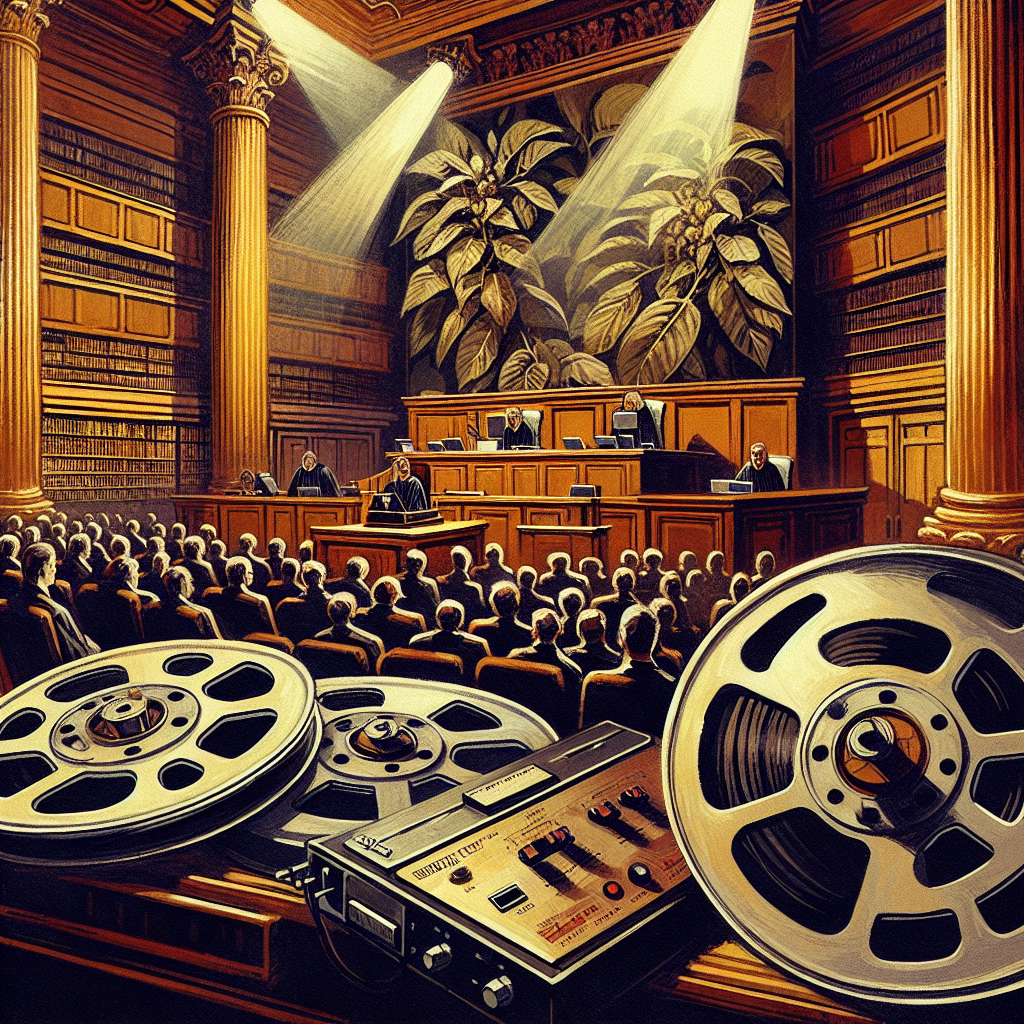
Checks and balances have been tested at every period of American political stress. Andrew Jackson defied the Supreme Court over Indian removal. Lincoln suspended habeas corpus without congressional authorization. FDR attempted to pack the Supreme Court after it struck down New Deal legislation. Nixon claimed executive privilege to shield White House recordings from congressional subpoena. Each confrontation produced a clarification of where the boundaries actually lay. The system has bent repeatedly without breaking, though observers in each era have argued it was bending past its limits.
| Established | U.S. Constitution, 1787 |
| Key advocate | James Madison — Federalist No. 51 |
| Intellectual source | Montesquieu, Spirit of the Laws (1748) |
| Three branches | Legislative (Congress), Executive (President), Judicial (Courts) |
| Key mechanisms | Presidential veto; congressional override; impeachment; judicial review |
| Companion concept | Separation of Powers |
| Years | 1787 |
| Location | Philadelphia, Pennsylvania |