The Child Labor Amendment
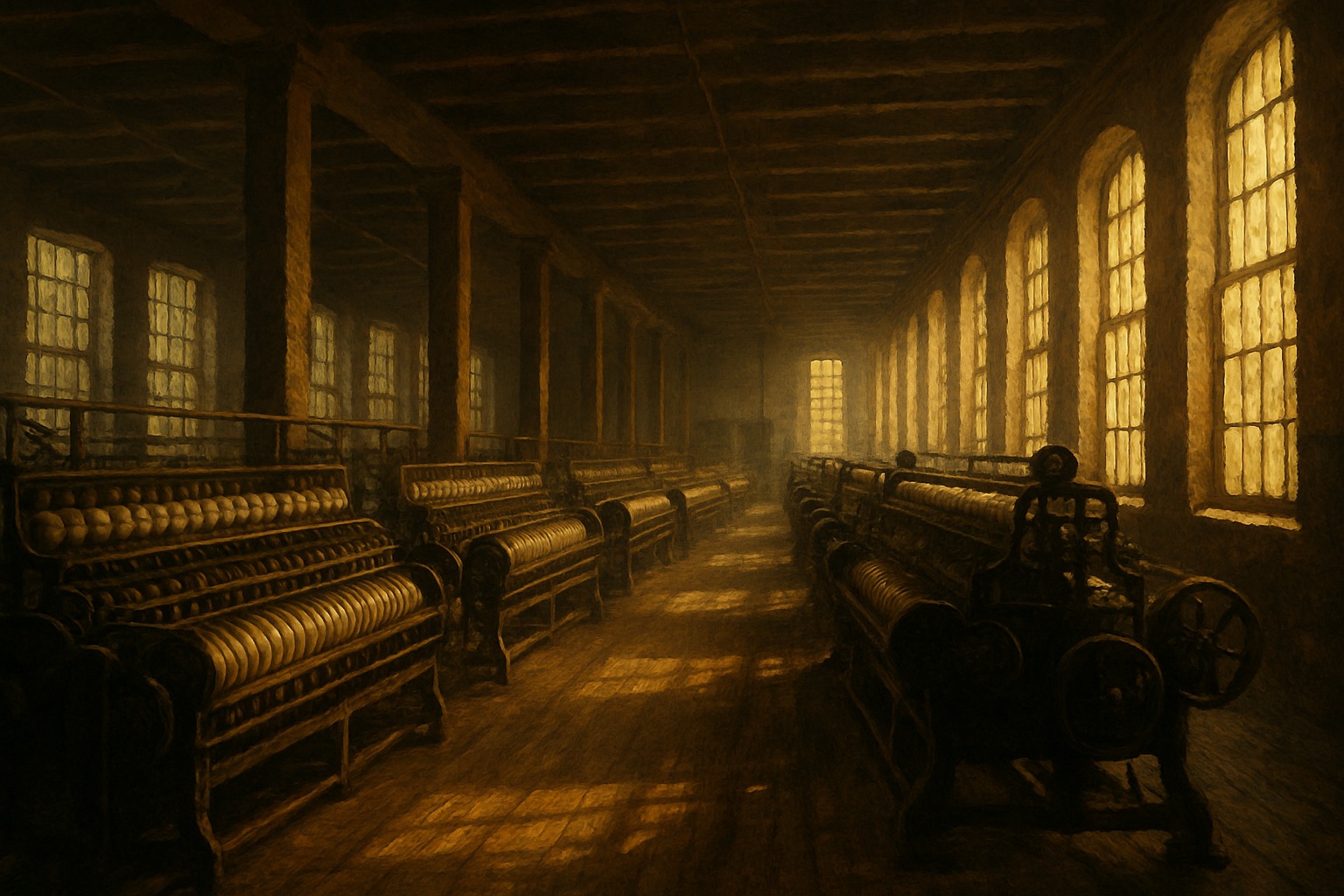
The Child Labor Amendment, passed by Congress in 1924, would have given the federal government explicit power to limit, regulate, and prohibit the labor of persons under eighteen years of age. It was a response to Supreme Court rulings that had struck down earlier federal child-labor laws, and it aimed to settle the question by constitutional text. It was never ratified.
Twice in the 1910s Congress had passed laws restricting child labor, and twice the Supreme Court had voided them — in Hammer v. Dagenhart (1918) and again in 1922 — holding that regulating factory conditions and taxing child-made goods exceeded federal power. Reformers, unable to win in the courts, turned to the amendment process. But the proposal ran into fierce opposition from manufacturers, farm interests that relied on family labor, and groups who framed it as a federal intrusion into parental authority.
Ratification stalled well short of the mark; only twenty-eight of the needed thirty-six states approved it, and momentum died in the 1930s. The amendment became unnecessary rather than adopted: the Fair Labor Standards Act of 1938 imposed federal child-labor limits by statute, and in 1941 the Supreme Court — its philosophy transformed — upheld that law and overruled Hammer v. Dagenhart. The Child Labor Amendment, still technically pending, was left behind by the very change it had sought to guarantee.
| Proposed | June 2, 1924 |
| Would have | Empowered Congress to regulate child labor |
| Prompted by | Hammer v. Dagenhart (1918) |
| Ratified by | 28 of 36 needed states |
| Superseded by | Fair Labor Standards Act (1938) |
| Date | Proposed June 2, 1924 (still pending) |