Fifteenth Amendment
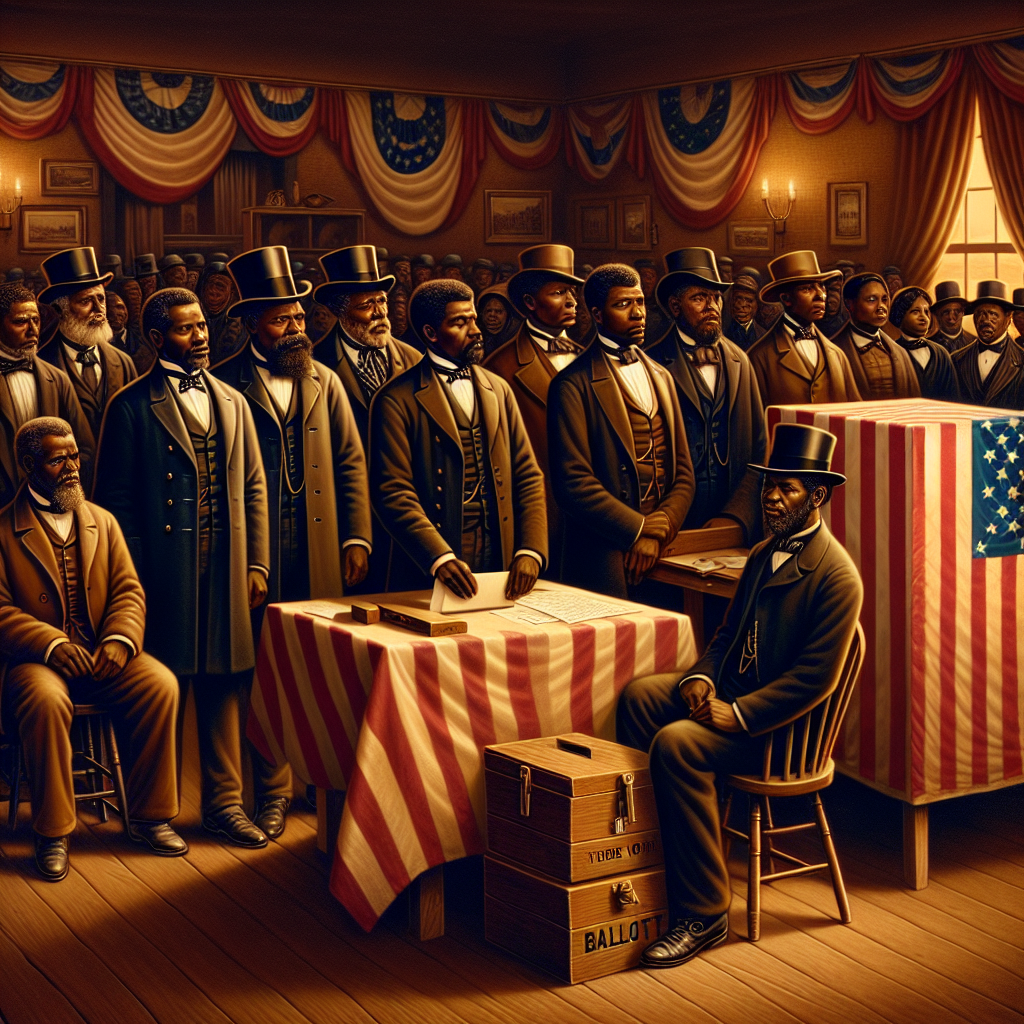
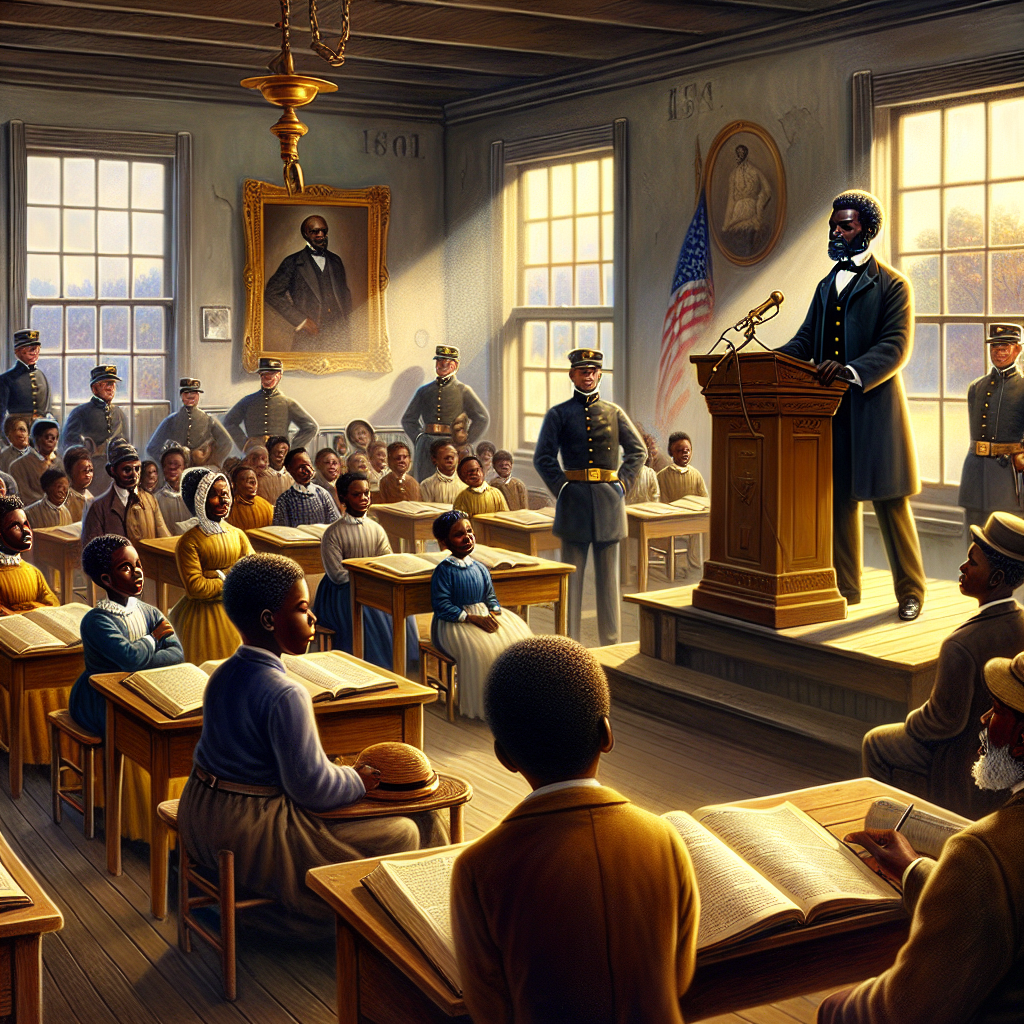
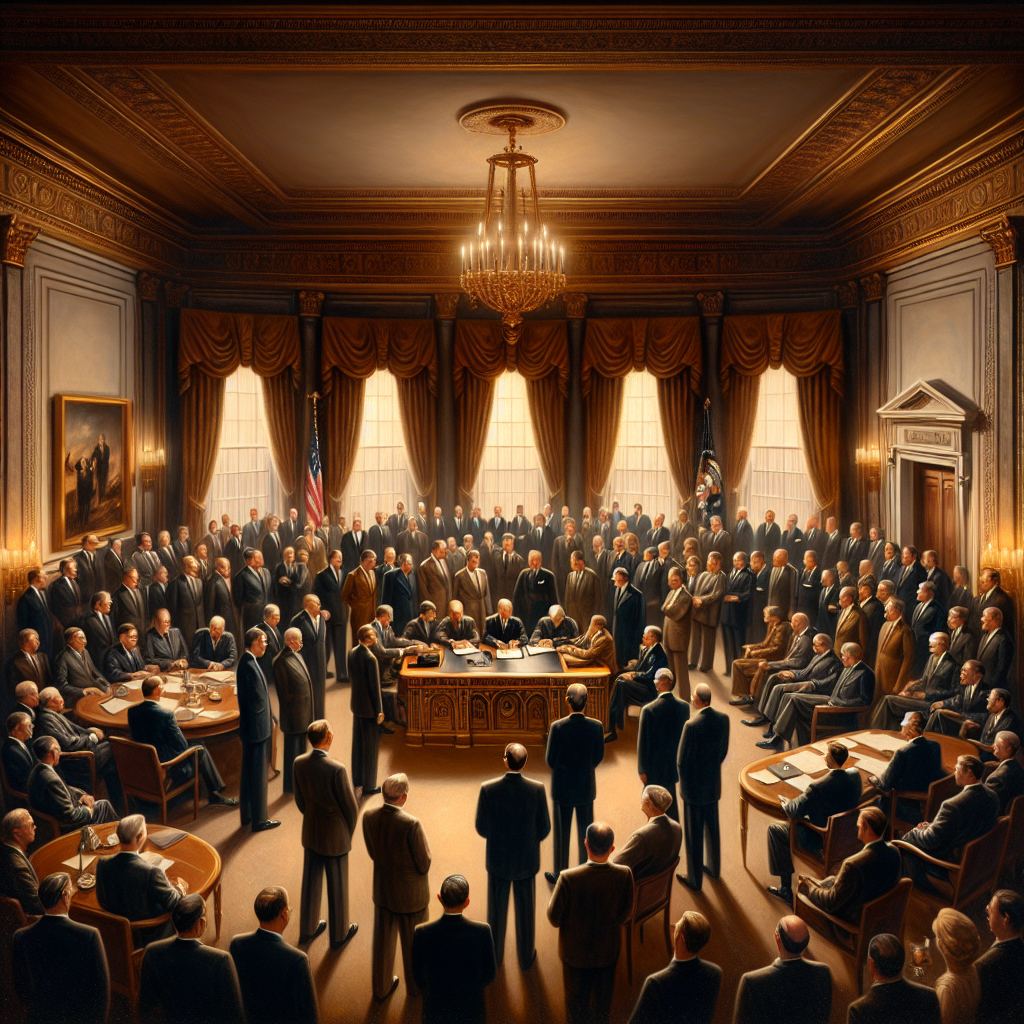
The Fifteenth Amendment, ratified February 3, 1870, declared that the right of citizens to vote "shall not be denied or abridged by the United States or by any State on account of race, color, or previous condition of servitude." It was the third and last of the Reconstruction amendments, intended to complete what the Thirteenth (abolishing slavery) and Fourteenth (guaranteeing citizenship and equal protection) had begun. What it did not do was equally important: it did not prohibit literacy tests, poll taxes, grandfather clauses, or the systematic violence that Southern states would use for the next century to prevent Black men from exercising the right it formally guaranteed.
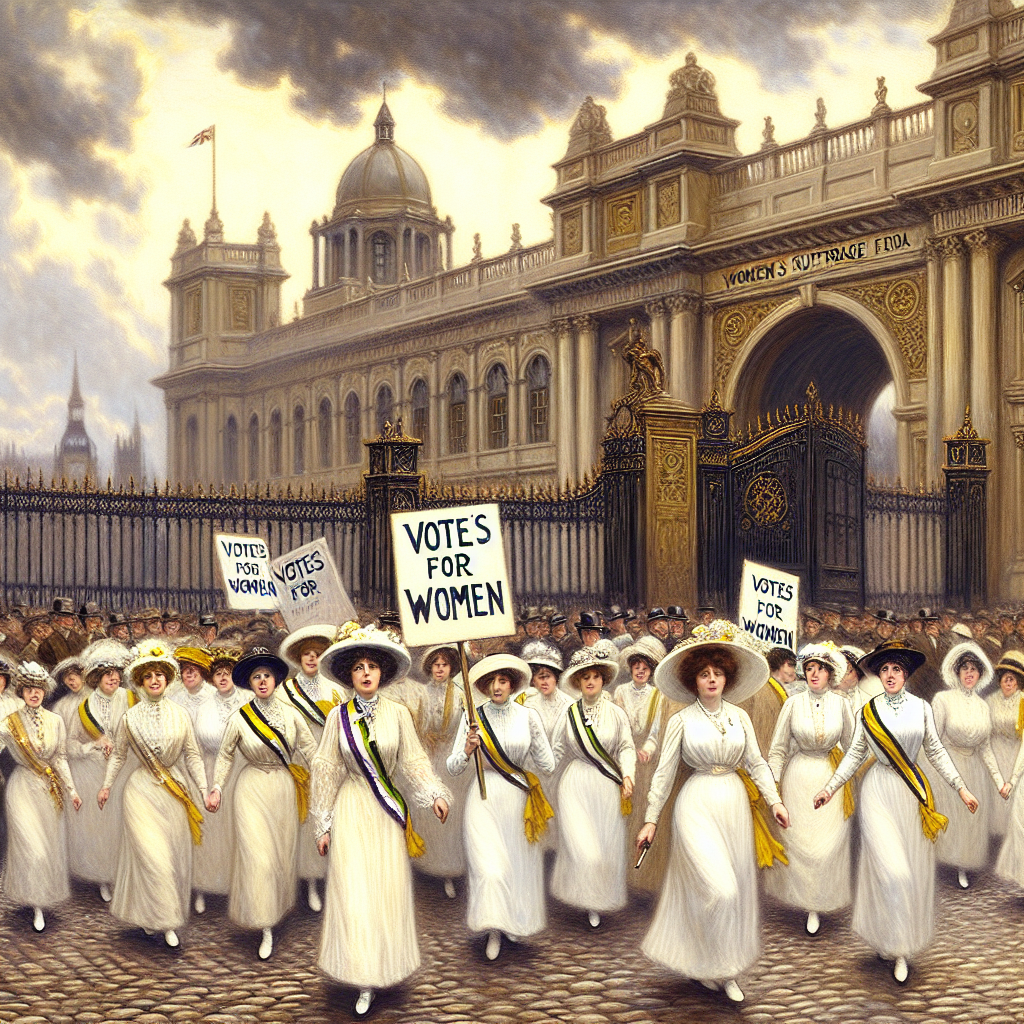
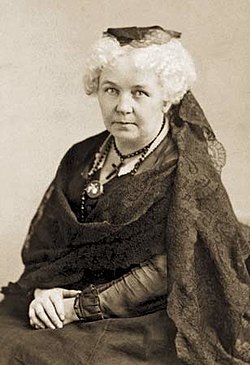
The amendment's passage was the product of Republican political calculation as much as principle. In the North, Black voters reliably voted Republican; extending the vote to Black men in the South — where the party had almost no white support — was both a moral position and a strategic one. The amendment's narrow scope was itself a compromise: broader language that would have prohibited educational or property requirements was dropped to secure enough votes for ratification. Women's suffrage advocates, including Elizabeth Cady Stanton and Susan B. Anthony, were furious that women were again excluded while the vote was extended to Black men, and the split fractured the women's rights movement for a generation.
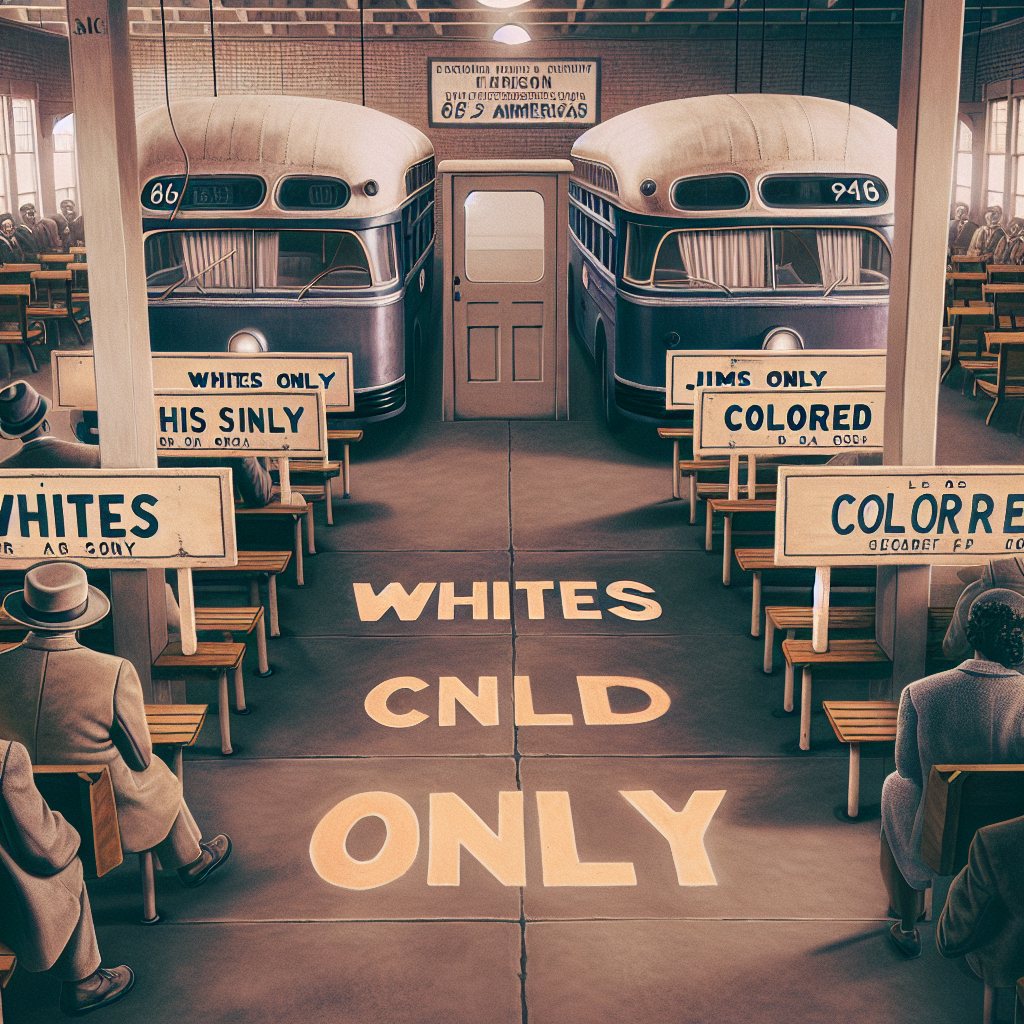
The Fifteenth Amendment existed on paper for nearly a century before it functioned in practice across the South. Literacy tests administered selectively, poll taxes, grandfather clauses exempting whites, and the constant threat of violence kept Black voter registration negligible across most of the former Confederacy from the 1890s through the 1960s. It took the Voting Rights Act of 1965 — which provided the federal enforcement mechanisms the amendment itself lacked — to give the Fifteenth Amendment practical force. The gap between ratification and effective operation is 95 years: the span of a long human life.
| Ratified | February 3, 1870 |
| Prohibition | Cannot deny vote based on race, color, or previous servitude |
| What It Omitted | Literacy tests, poll taxes, grandfather clauses — all exploited |
| Women's Response | Stanton and Anthony opposed; split women's suffrage movement |
| Effective Enforcement | Voting Rights Act of 1965 — 95 years after ratification |
| Preceded by | Fourteenth Amendment (1868) |
| Followed by | Nineteenth Amendment (1920) — women's suffrage |
| Date | February 3, 1870 |
| Location | Washington, D.C. |