Twelfth Amendment
The Twelfth Amendment, ratified in 1804, rewrote the mechanics of presidential elections. Under the original Constitution, each elector cast two votes for president without distinguishing the office of vice president, and the runner-up became vice president. The amendment split the ballot, requiring electors to vote separately for president and vice president — the system still in use today.
The change was forced by two elections that exposed the original design's flaws. In 1796 the process produced a president and vice president from opposing parties — Federalist John Adams and Democratic-Republican Thomas Jefferson. Then the election of 1800 ended in a tie between Jefferson and his own running mate, Aaron Burr, throwing the choice into the House of Representatives, which took thirty-six ballots to settle it. The near-crisis made reform urgent.
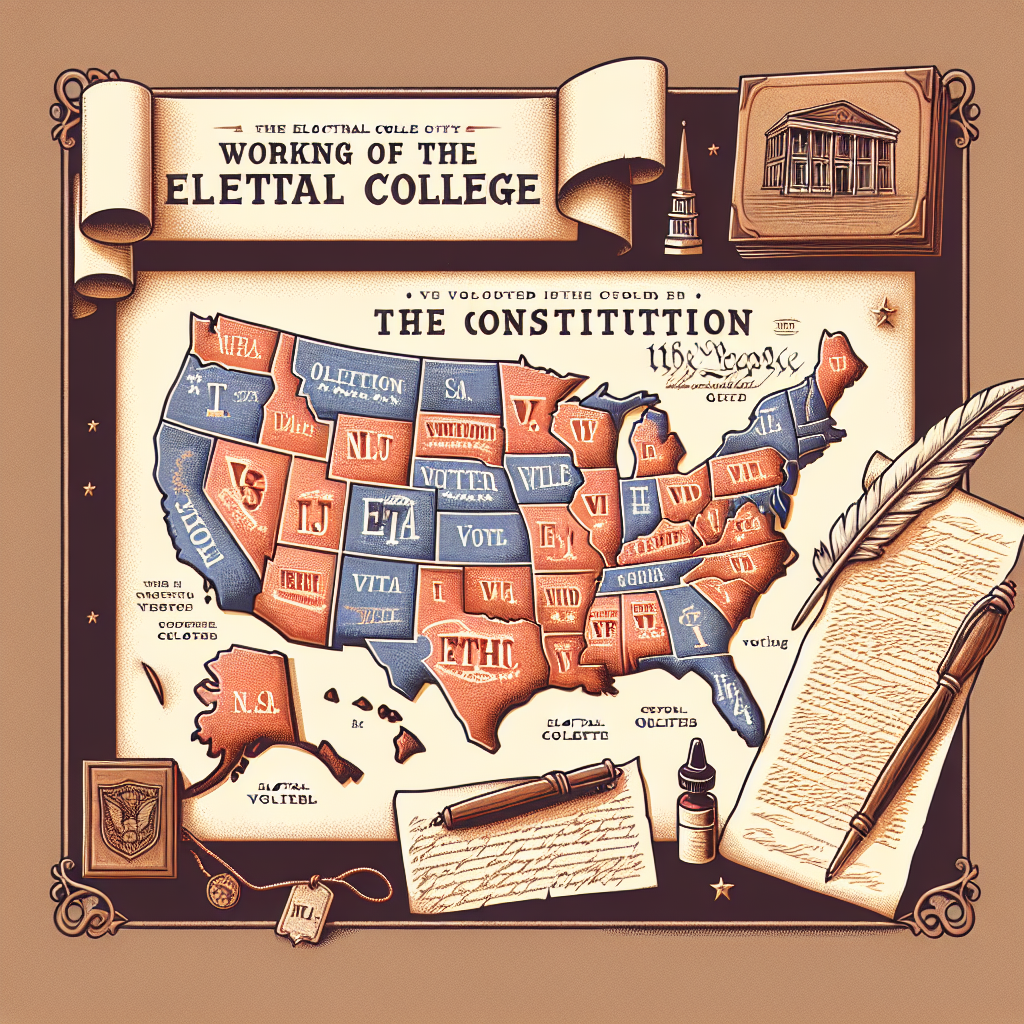
The amendment also shaped the vice presidency into a partnership with the president rather than a consolation prize for the loser, and it laid down rules still consulted in close elections: if no candidate wins an Electoral College majority, the House chooses the president from the top three, voting by state delegation, and the Senate chooses the vice president. Those contingency provisions have rarely been triggered, but they remain the legal fallback whenever an American presidential election threatens to end without a clear winner.
| Ratified | June 15, 1804 |
| Reformed | Electoral College voting |
| Change | Separate ballots for president and vice president |
| Prompted by | The elections of 1796 and 1800 |
| Contingency | House elects the president if no majority |
| Date | Ratified June 15, 1804 |