Twentieth Amendment
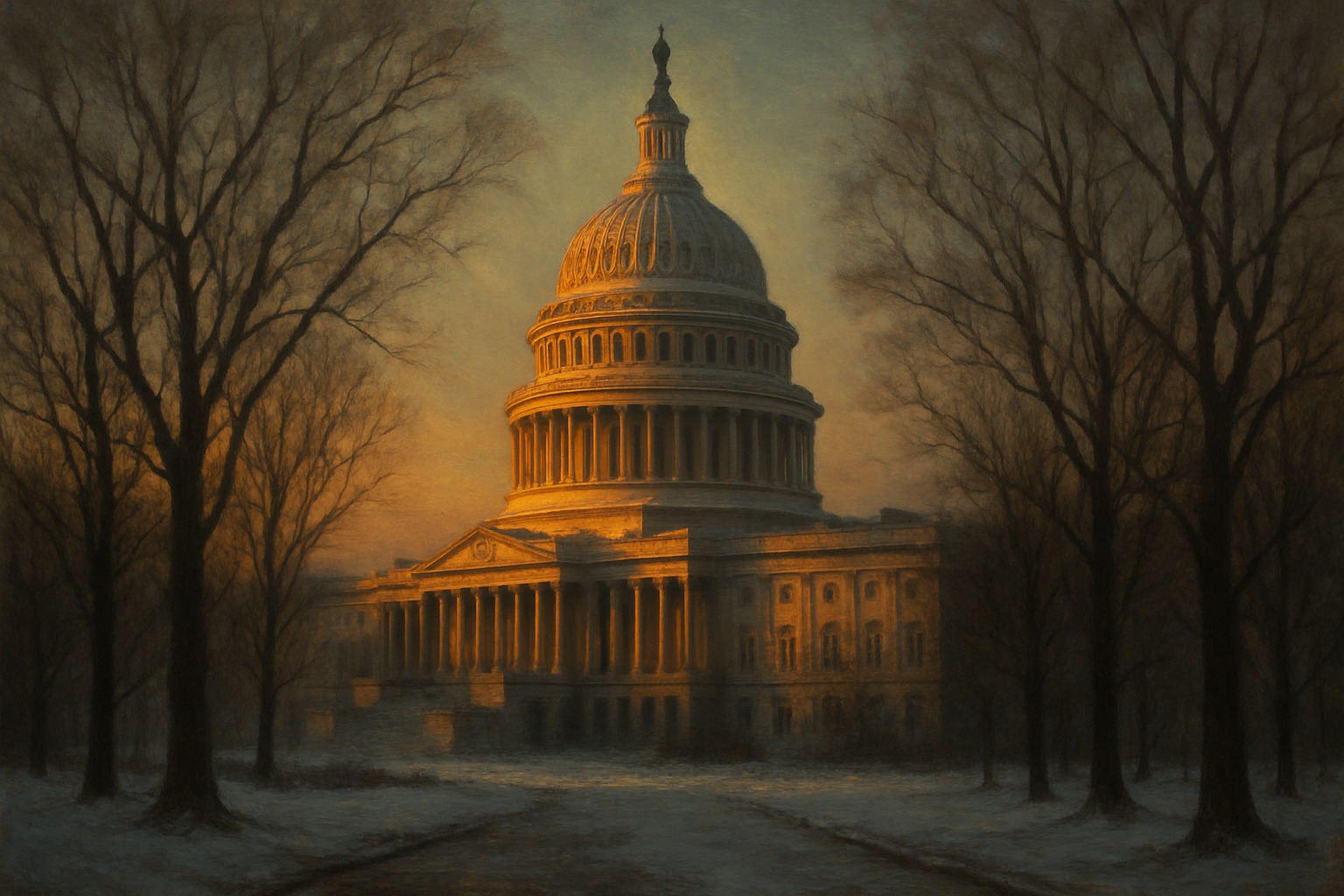
The Twentieth Amendment, ratified in 1933, is the housekeeping amendment of American government. It moved the start of presidential and congressional terms earlier in the year — the president's to January 20, Congress's to January 3 — shrinking the long lame-duck gap between an election and the moment winners actually took office.
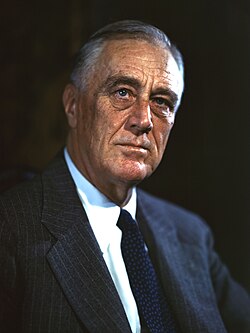
Under the old calendar, newly elected officials waited until March to be sworn in, a holdover from an era when travel and vote-counting were slow. By the twentieth century the delay had become dangerous. The most vivid example came as the amendment was being ratified: the four-month interregnum of the winter of 1932 and 1933 left outgoing president Herbert Hoover and president-elect Franklin Roosevelt at odds while the banking system collapsed, with no one fully empowered to act.
The amendment also filled gaps the Constitution had left open, spelling out what happens if a president-elect dies before taking office or if no candidate has been chosen by Inauguration Day. Its provisions are rarely dramatic, but they keep the machinery of transition running smoothly — the reason every modern president is inaugurated on the twentieth of January and every new Congress convenes in the first days of the year.

| Ratified | January 23, 1933 |
| Nickname | The "Lame Duck" Amendment |
| Moved | Presidential term start to January 20 |
| Congress | Convenes January 3 |
| Sponsor | Senator George W. Norris |
| Date | Ratified January 23, 1933 |