Gideon v. Wainwright
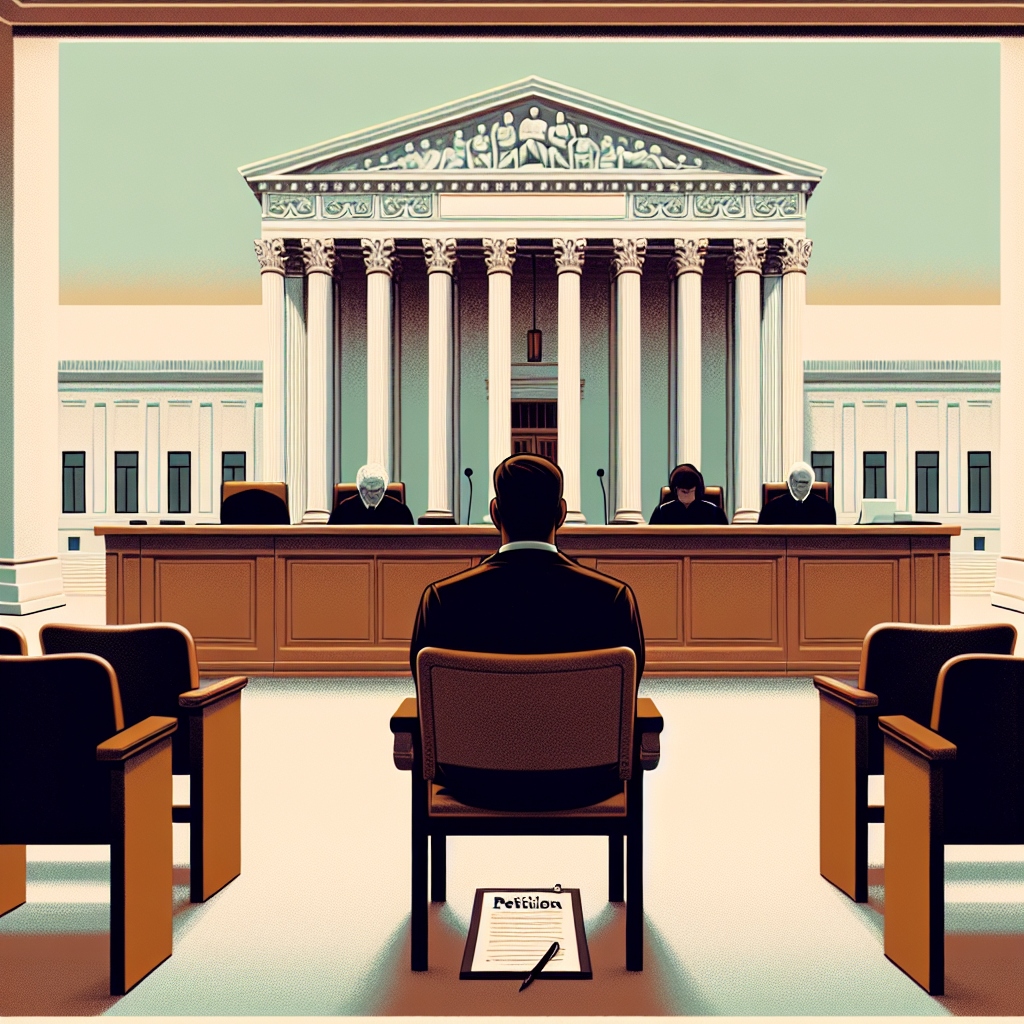
Clarence Earl Gideon was a 51-year-old drifter with a long criminal record when he was charged with breaking and entering a Florida pool hall in 1961. He appeared in court without a lawyer and asked the judge to appoint one. Florida law only provided counsel in capital cases. The judge declined. Gideon represented himself, was convicted, and sentenced to five years. From his prison cell, in pencil on sheets of paper, he wrote a five-page petition to the Supreme Court — arguing that his Sixth Amendment right to counsel had been violated. The Court agreed to hear it.
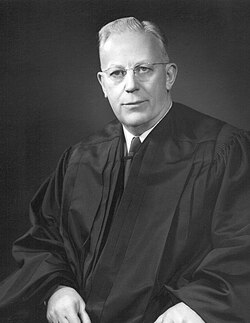
The justices appointed Abe Fortas — one of Washington's most distinguished lawyers, later a Supreme Court justice himself — to argue Gideon's case. The opposing position, that states were not required to provide counsel in non-capital cases, had been established by Betts v. Brady (1942). The Warren Court overturned Betts unanimously. Justice Hugo Black, writing for the Court, held that the right to counsel was fundamental to a fair trial and that any person too poor to hire a lawyer could not receive justice without one. In our adversary system of criminal justice, he wrote, any person haled into court who is too poor to hire a lawyer cannot be assured a fair trial unless counsel is provided.
Gideon was retried with a competent defense attorney and acquitted in less than an hour. The decision required states to establish public defender systems across the country — an enormous structural change in American criminal justice. It is today considered one of the clearest examples of a constitutional ruling with immediate, concrete impact on the lives of ordinary Americans. Gideon's handwritten petition to the Court is preserved at the National Archives.


| Decided | March 18, 1963 |
| Vote | Unanimous (9–0) |
| Author | Justice Hugo Black |
| Petitioner | Clarence Earl Gideon — represented himself at trial |
| Argued for Gideon | Abe Fortas (appointed by the Court) |
| Overturned | Betts v. Brady (1942) |
| Result | States required to provide counsel to all criminal defendants |
| Key amendment | Sixth Amendment — right to counsel |
| Date | March 18, 1963 |
| Location | Washington, D.C. |