Fifth Amendment
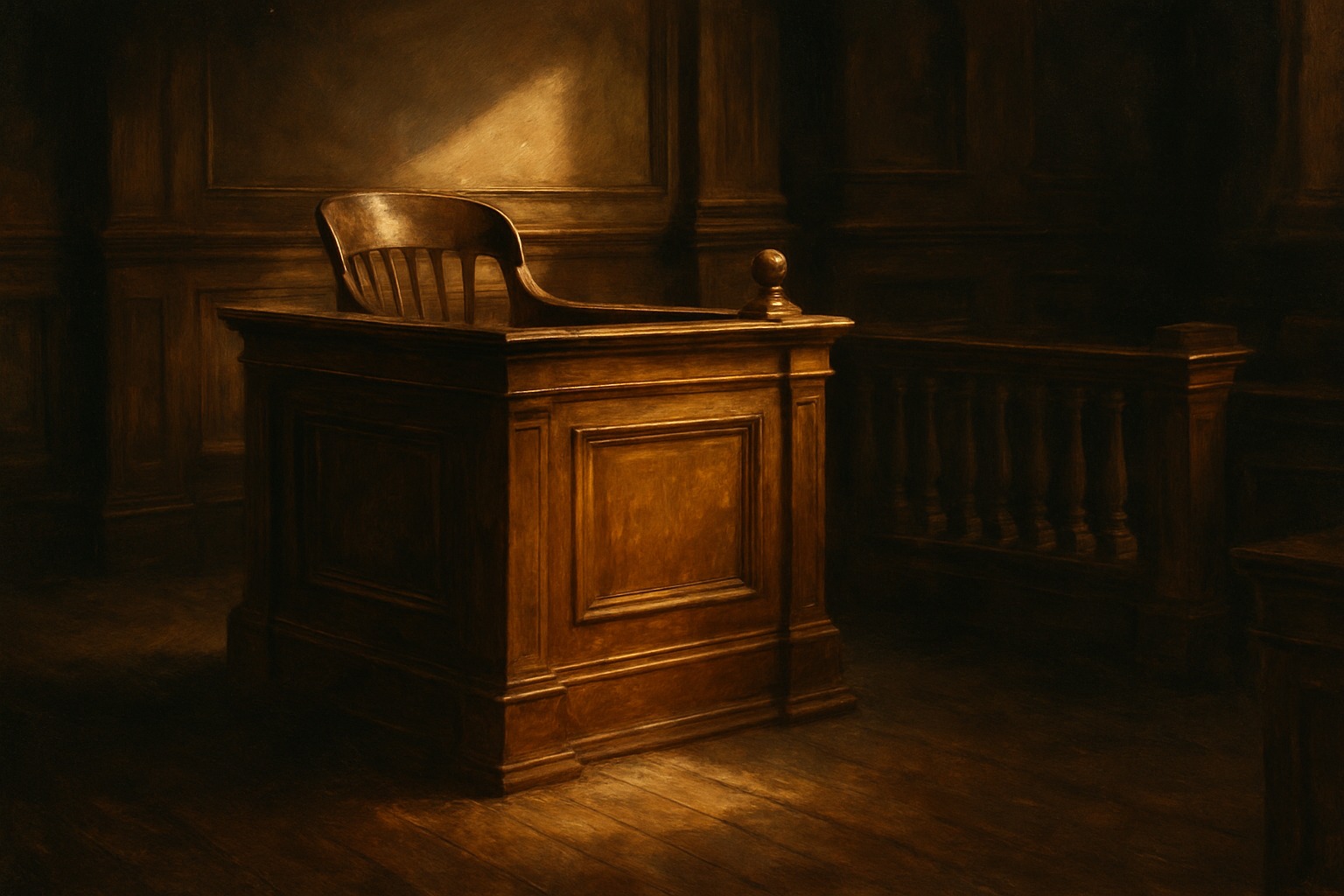
The Fifth Amendment packs an unusual number of protections into one provision. It guarantees indictment by a grand jury for serious federal crimes, forbids trying a person twice for the same offense (double jeopardy), bars compelling anyone to be a witness against himself, promises that no one may be deprived of life, liberty, or property without due process of law, and requires just compensation when the government takes private property for public use. It is, in effect, a charter for the individual facing the machinery of prosecution.
Its most famous clause is the privilege against self-incrimination — the right to remain silent that gave the language pleading the Fifth. The Supreme Court cemented it in everyday policing in Miranda v. Arizona (1966), which required officers to warn suspects of their rights before questioning; the Miranda warning is now recited in countless arrests and dramatized in every crime show. The due process clause, meanwhile, has served as a vehicle for expanding protections against arbitrary government far beyond criminal trials.
The amendment's reach extends well past the courtroom. Its takings clause underpins the entire law of eminent domain, requiring the government to pay when it seizes land for highways, parks, or redevelopment — a principle tested in the controversial Kelo v. City of New London (2005), where the Court allowed a city to take homes for private economic development. Together the clauses of the Fifth make it one of the most invoked amendments in American life, a shorthand for the whole idea that the state must play by rules when it moves against a person or their property.

| Part of | Bill of Rights |
| Ratified | December 15, 1791 |
| Protections | Grand jury, double jeopardy, self-incrimination, due process, just compensation |
| Famous phrase | Pleading the Fifth |
| Key case | Miranda v. Arizona (1966) |
| Takings clause | Basis of eminent domain law |
| Date | Ratified December 15, 1791 |