Thirteenth Amendment
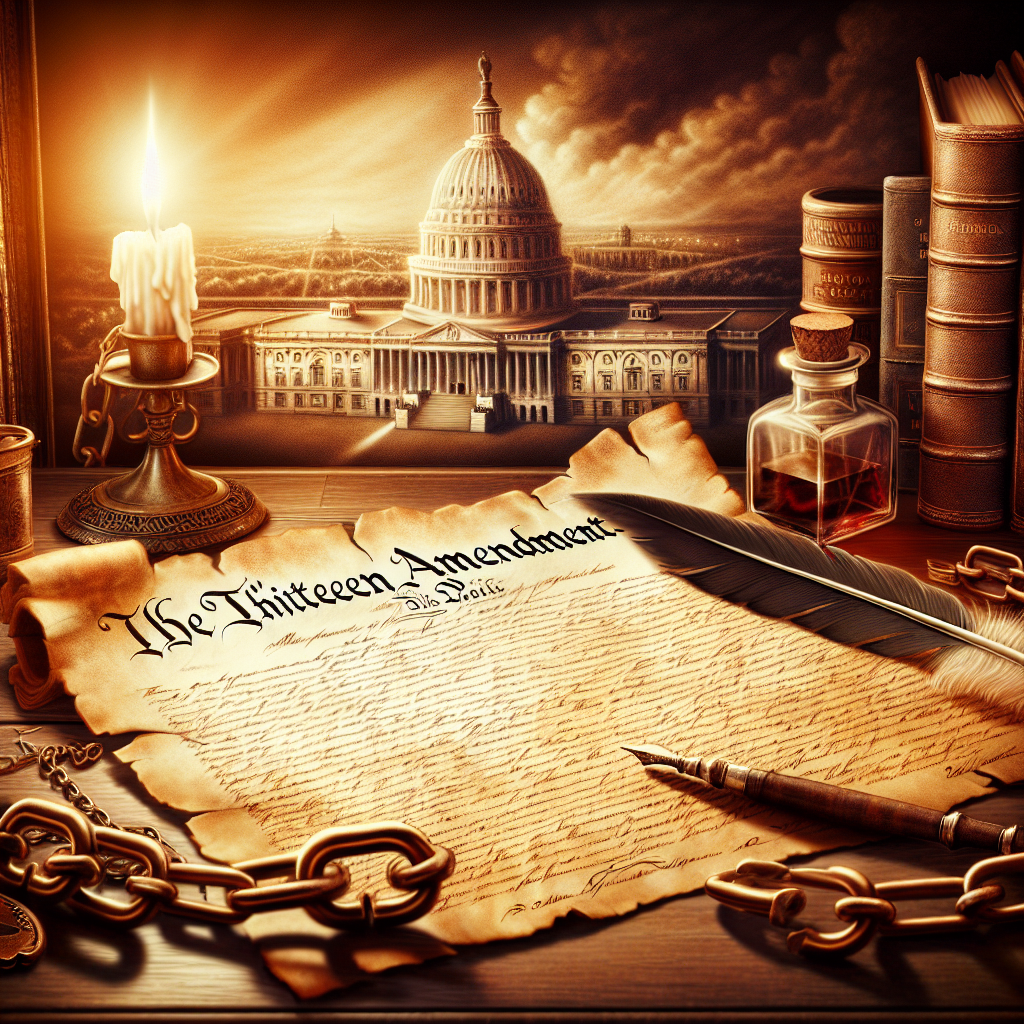
The Thirteenth Amendment to the United States Constitution was ratified on December 6, 1865, and its first section is 31 words: "Neither slavery nor involuntary servitude, except as a punishment for crime whereof the party shall have been duly convicted, shall exist within the United States, or any place subject to their jurisdiction." Those 31 words did what four years of war, the Emancipation Proclamation, and every previous law and court ruling had failed to do — permanently abolished slavery as a legal institution in America. The exception clause, barely noticed at the time, would have consequences lasting well into the next century.
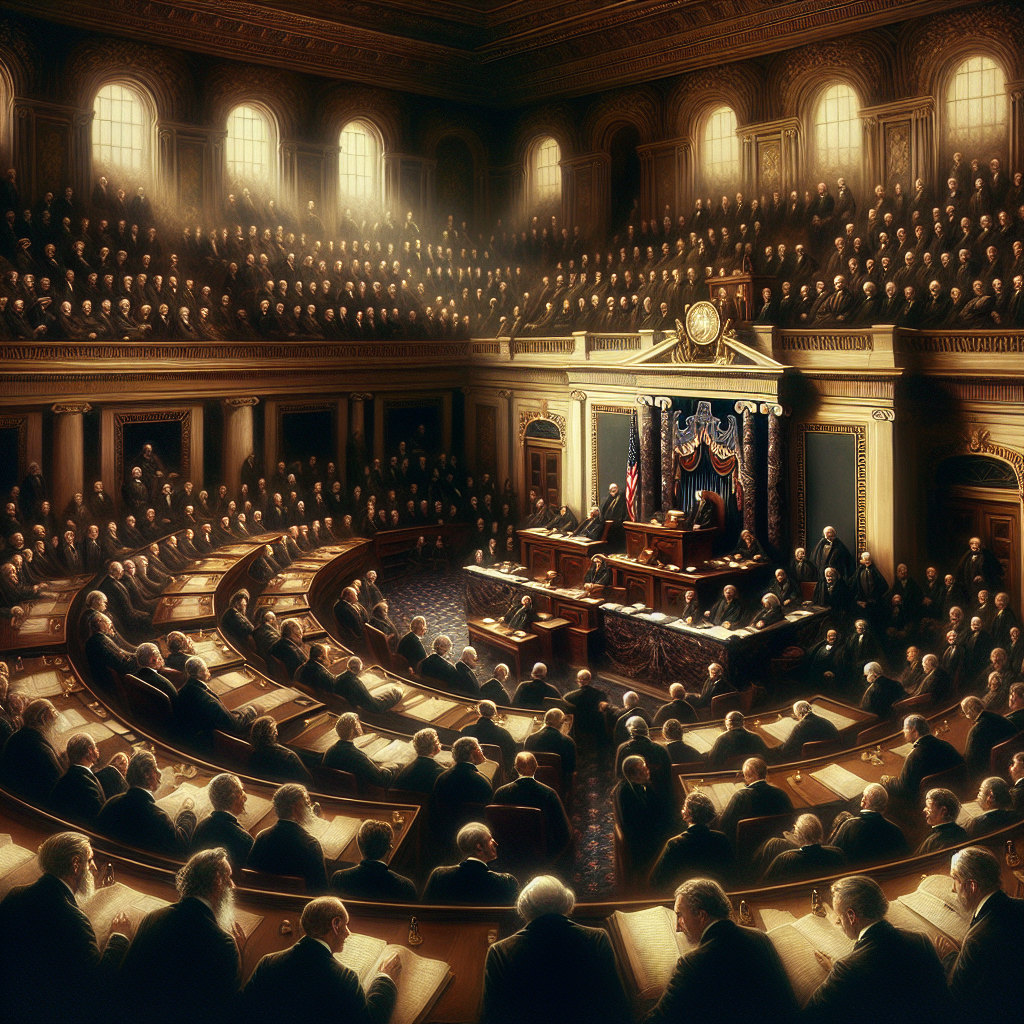
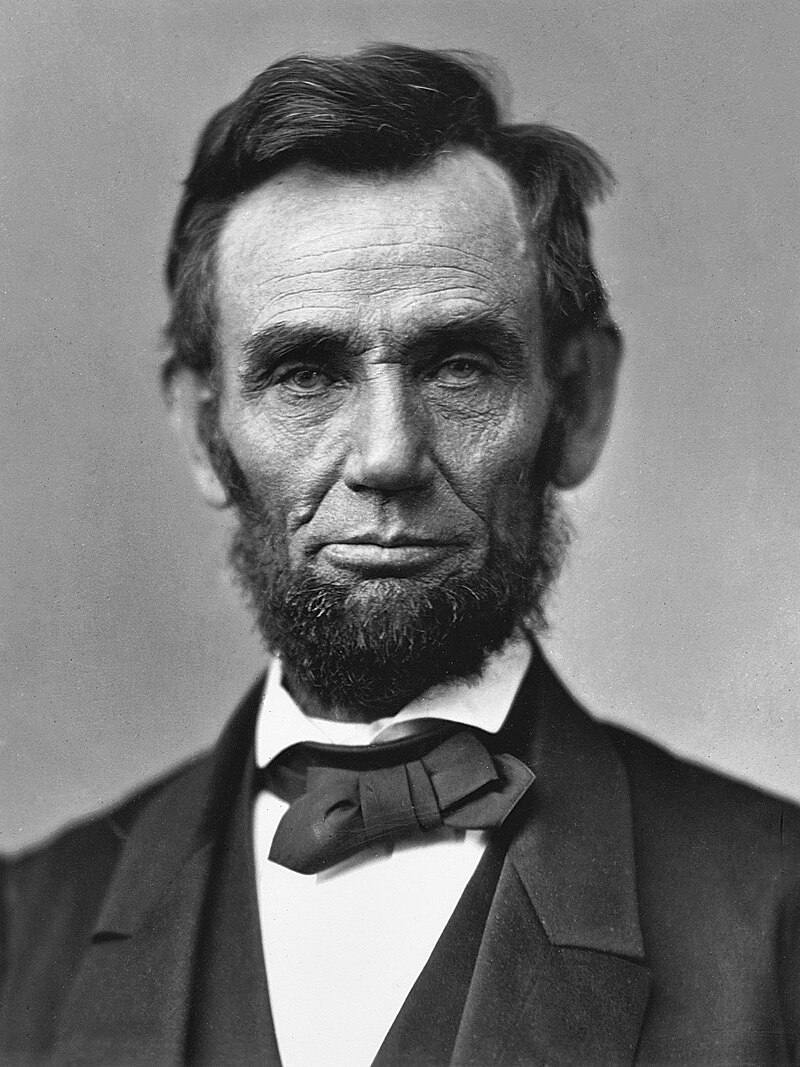
The amendment's path to ratification was neither smooth nor inevitable. The Emancipation Proclamation of 1863 had freed enslaved people only in Confederate states still in rebellion — a war measure of uncertain permanence that did not apply to loyal border states and could theoretically be reversed once the war ended. Lincoln pushed hard for the amendment during his second term, needing it to pass before the war ended and Southern states returned to Congress. The House vote in January 1865 was 119 to 56 — well short of unanimous, and obtained only through intensive political pressure.
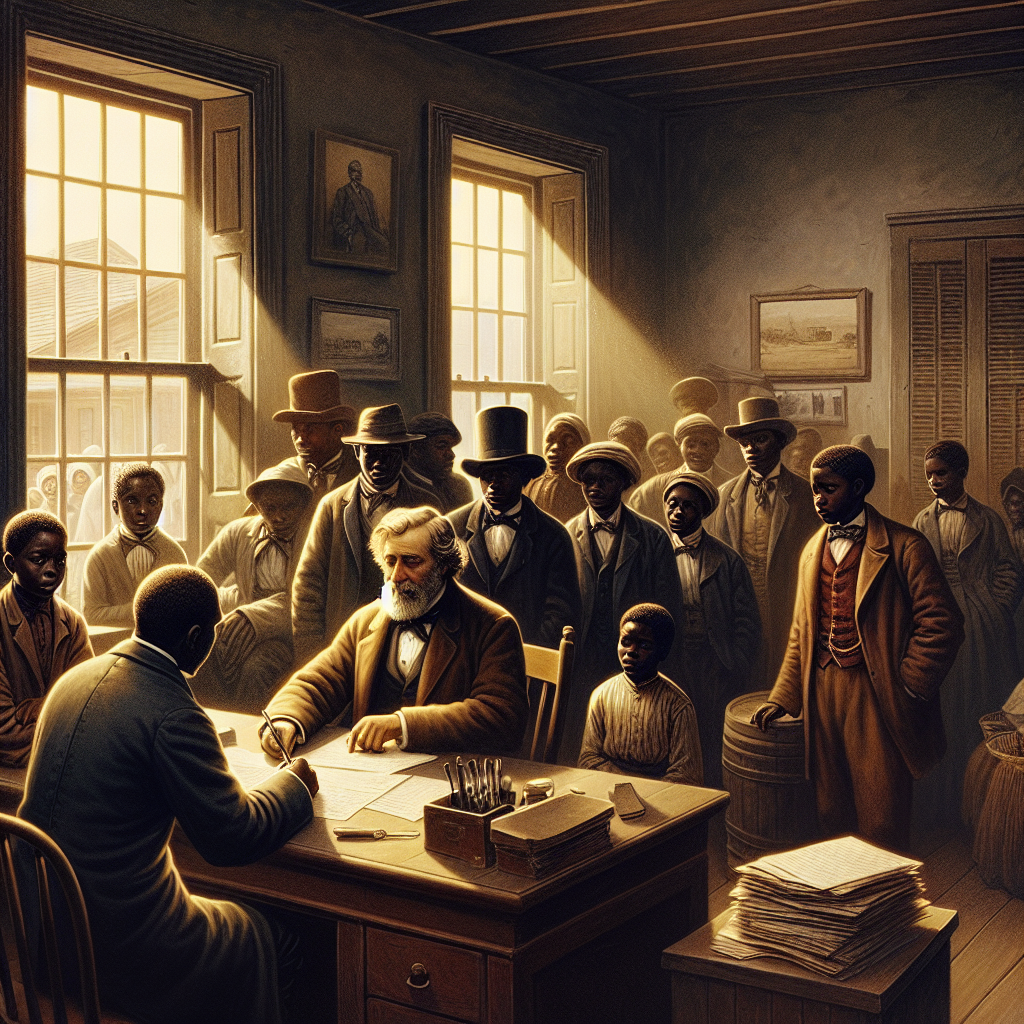
The exception for penal labor — "except as a punishment for crime" — was not an oversight. Within years of ratification, Southern states were using Black Codes to criminalize unemployment and vagrancy, funneling Black men into a convict leasing system that functioned as slavery under another name. The exception clause remains active constitutional law; prison labor in the United States still operates under its authority today. Several states have amended their own constitutions to close the loophole, and a proposed federal fix has circulated in Congress for years without passage.
| Ratified | December 6, 1865 |
| House Vote | 119–56, January 31, 1865 |
| Key Provision | Abolished slavery and involuntary servitude |
| Exception | Permitted as punishment for crime after conviction |
| Preceded by | Emancipation Proclamation (1863) — limited war measure |
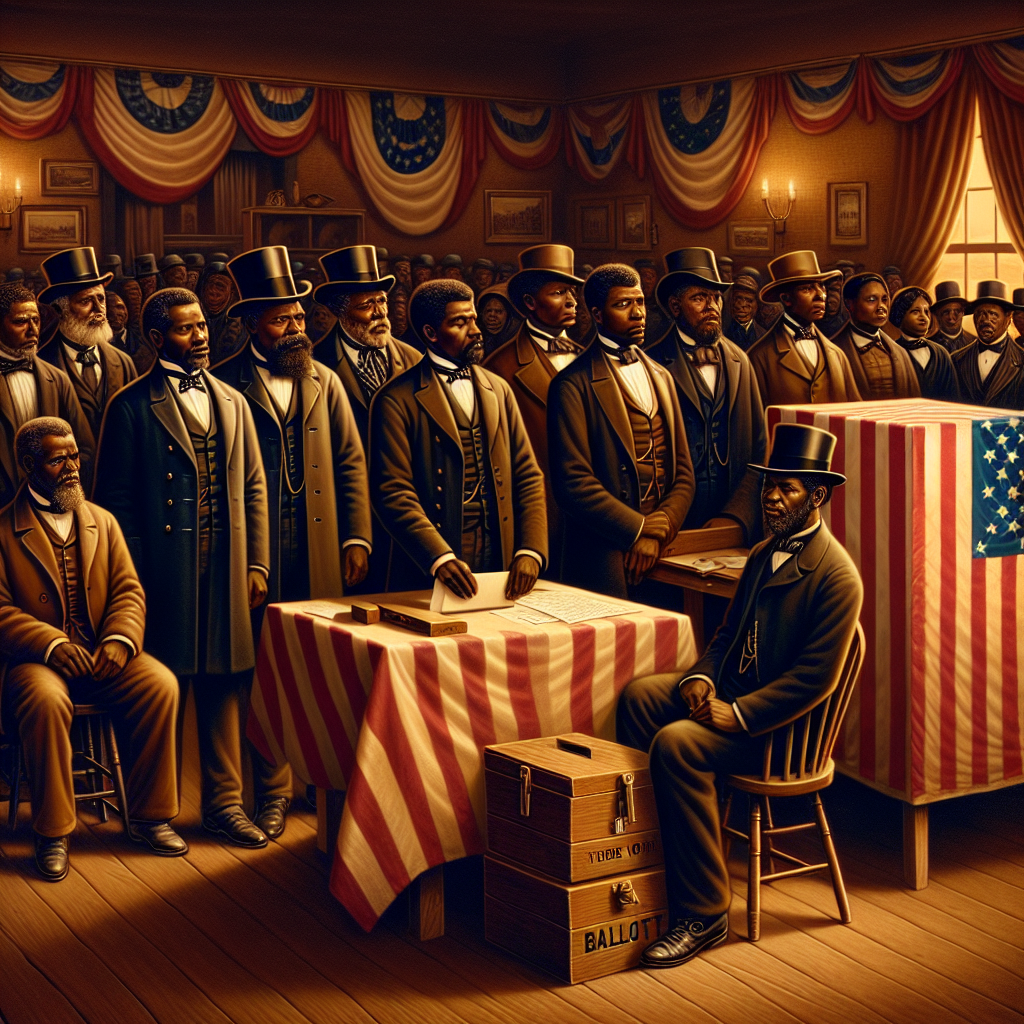
| Followed by | Fourteenth Amendment (1868); Fifteenth Amendment (1870) |
| Date | December 6, 1865 |
| Location | Washington, D.C. |