Revolutionary Era
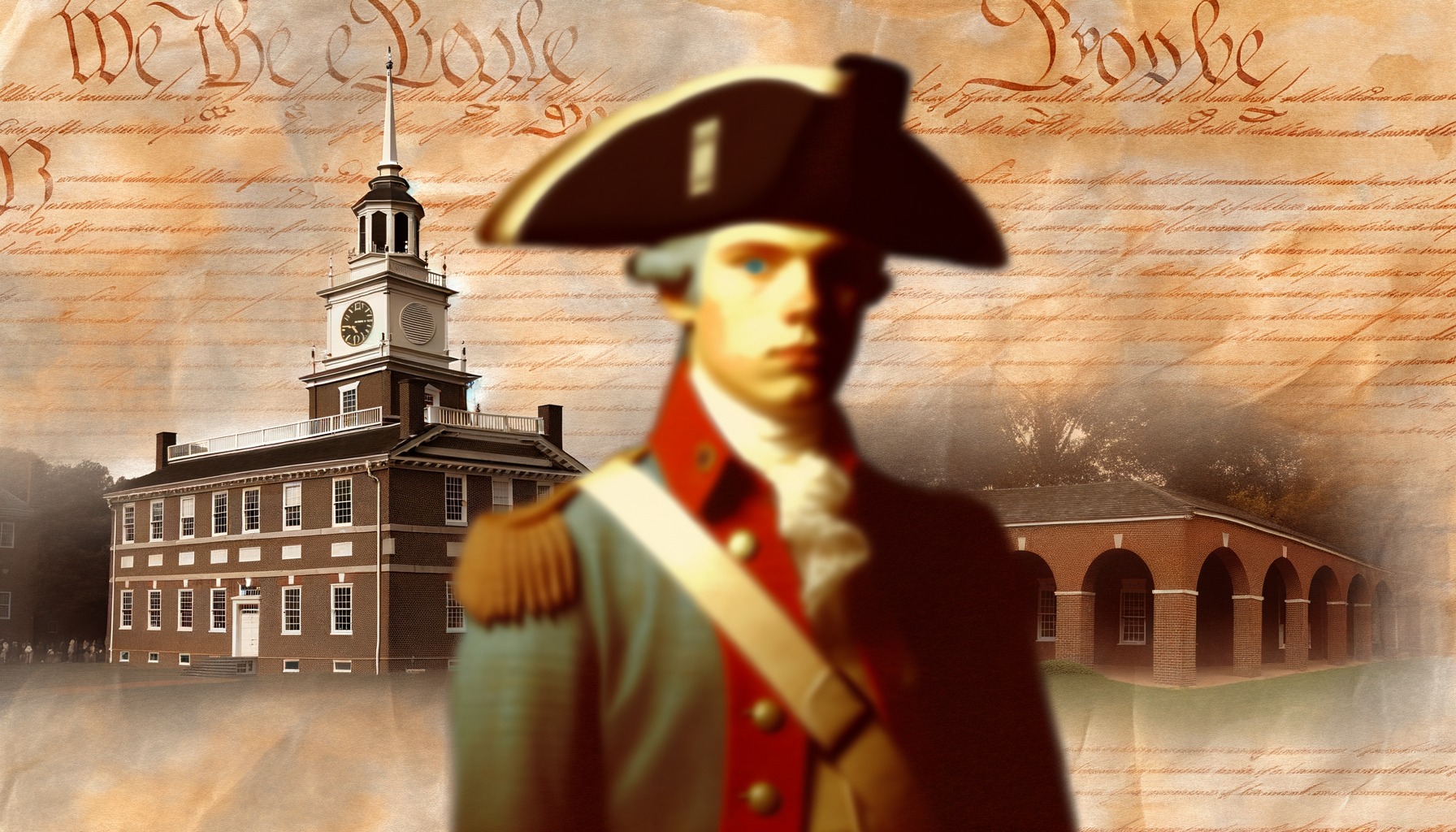
The Revolutionary Era did more than separate thirteen colonies from the British Empire — it invented a form of government with no living model. Between the first shots at Lexington in April 1775 and John Adams's peaceful transfer of executive power to Thomas Jefferson in March 1801, Americans fought an eight-year war, won independence against the world's most powerful empire, scrapped their first constitution, replaced it with one that would govern them for centuries, and demonstrated that elected leaders could surrender power to political rivals without bloodshed.
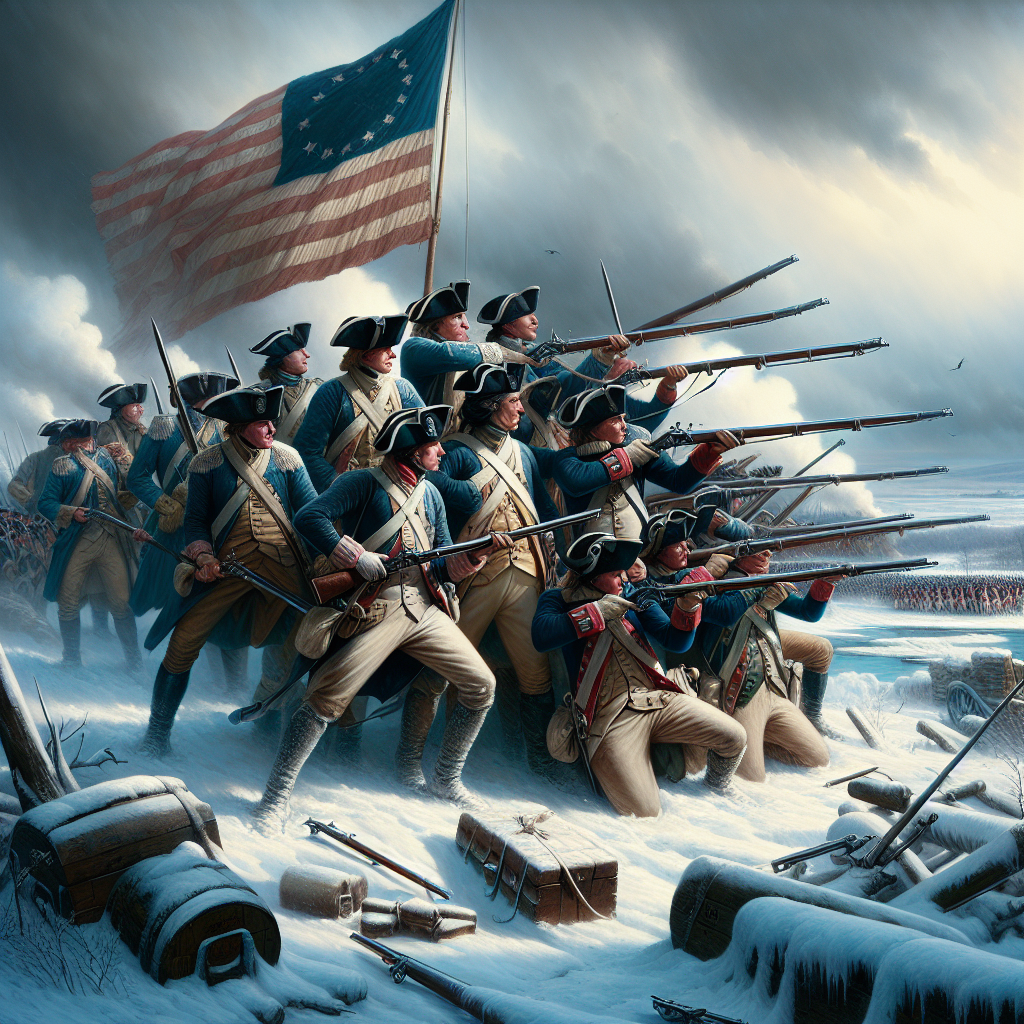
The war itself nearly failed. The Continental Army was outmatched, undersupplied, and frequently on the verge of dissolution. George Washington's leadership held it together through Valley Forge's winter, the desperate Christmas crossing at Trenton, and seven years of grinding defeats and small victories. Franco-American alliance and Spanish belligerency stretched British resources thin; the surrender at Yorktown in October 1781 effectively ended the fighting. The Treaty of Paris in 1783 acknowledged American independence and granted the new nation territory to the Mississippi River.
Independence solved nothing automatically. The Articles of Confederation, the first national framework, proved unworkable within a few years — no taxing power, no executive, no way to put down domestic insurrections like Shays's Rebellion. In the summer of 1787, fifty-five delegates met in Philadelphia and produced something more radical than they had been authorized to draft: a new Constitution establishing a federal government with three branches and enumerated powers. The fight over ratification produced the Federalist Papers and ultimately a Bill of Rights, added in 1791 to secure individual liberties against the government the Constitution had created.
What gave the era its lasting weight was not the rhetoric of liberty — most revolutionary movements produce that — but the precedents Americans set under pressure. Washington left office voluntarily after two terms. The Election of 1800 transferred power from Federalists to Jeffersonian Republicans without violence. Slavery's fundamental contradiction with the Declaration's promises was acknowledged, debated, and unresolved — deferred for another seventy years. The republic that emerged was deeply flawed and ambitiously designed, and almost everything that followed in American history became an argument over what it had actually meant.
| Duration | 25 years (1775–1800) |
| Revolutionary War | 1775–1783 |
| Declaration of Independence | July 4, 1776 |
| Articles of Confederation | Ratified 1781 |
| Constitutional Convention | May–September 1787, Philadelphia |
| Constitution ratified | June 21, 1788 |
| Bill of Rights ratified | December 15, 1791 |
| First peaceful transfer of power | March 4, 1801 (Adams → Jefferson) |
| Date | April 19, 1775 – March 4, 1801 |
| Location | United States |