National Archives
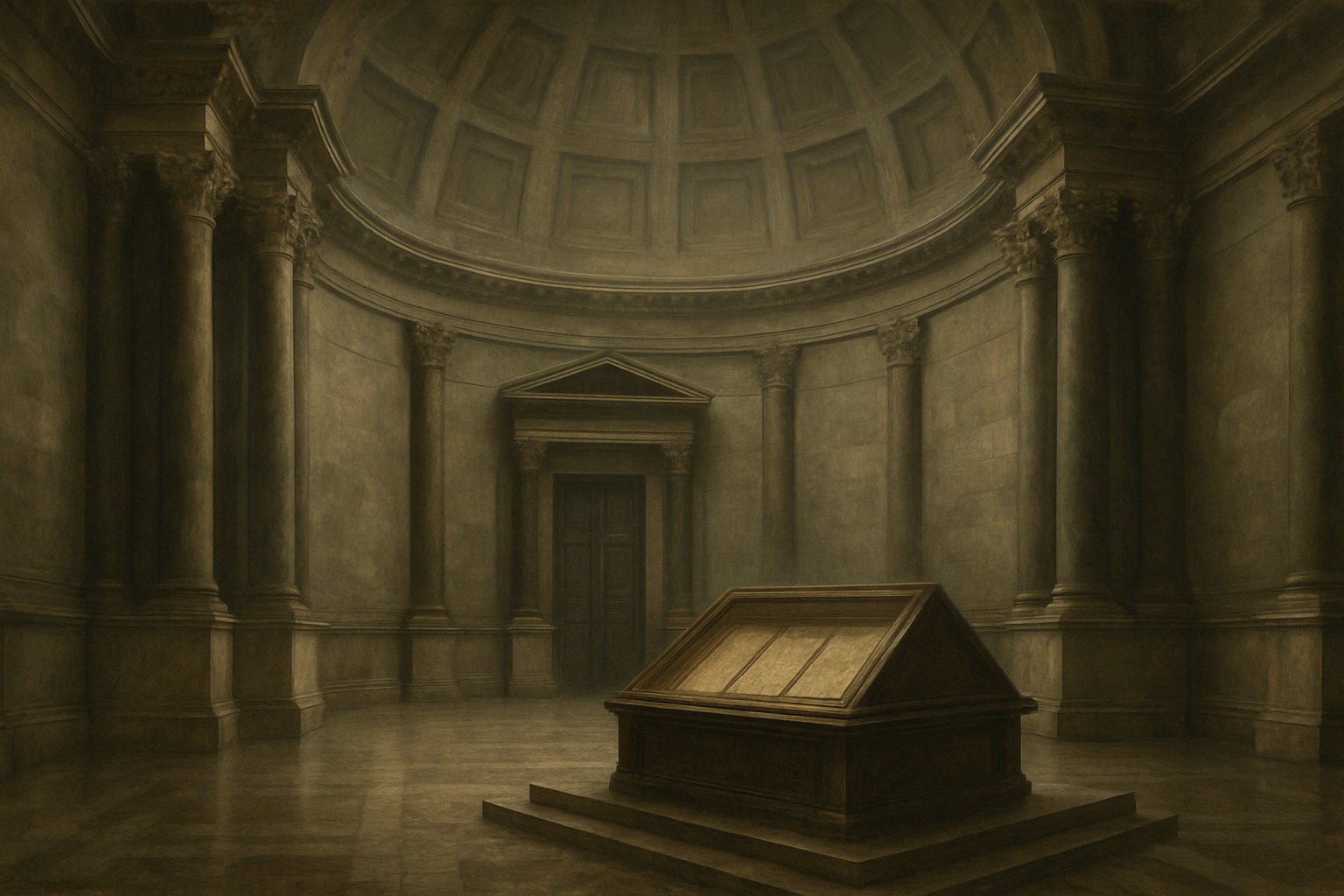
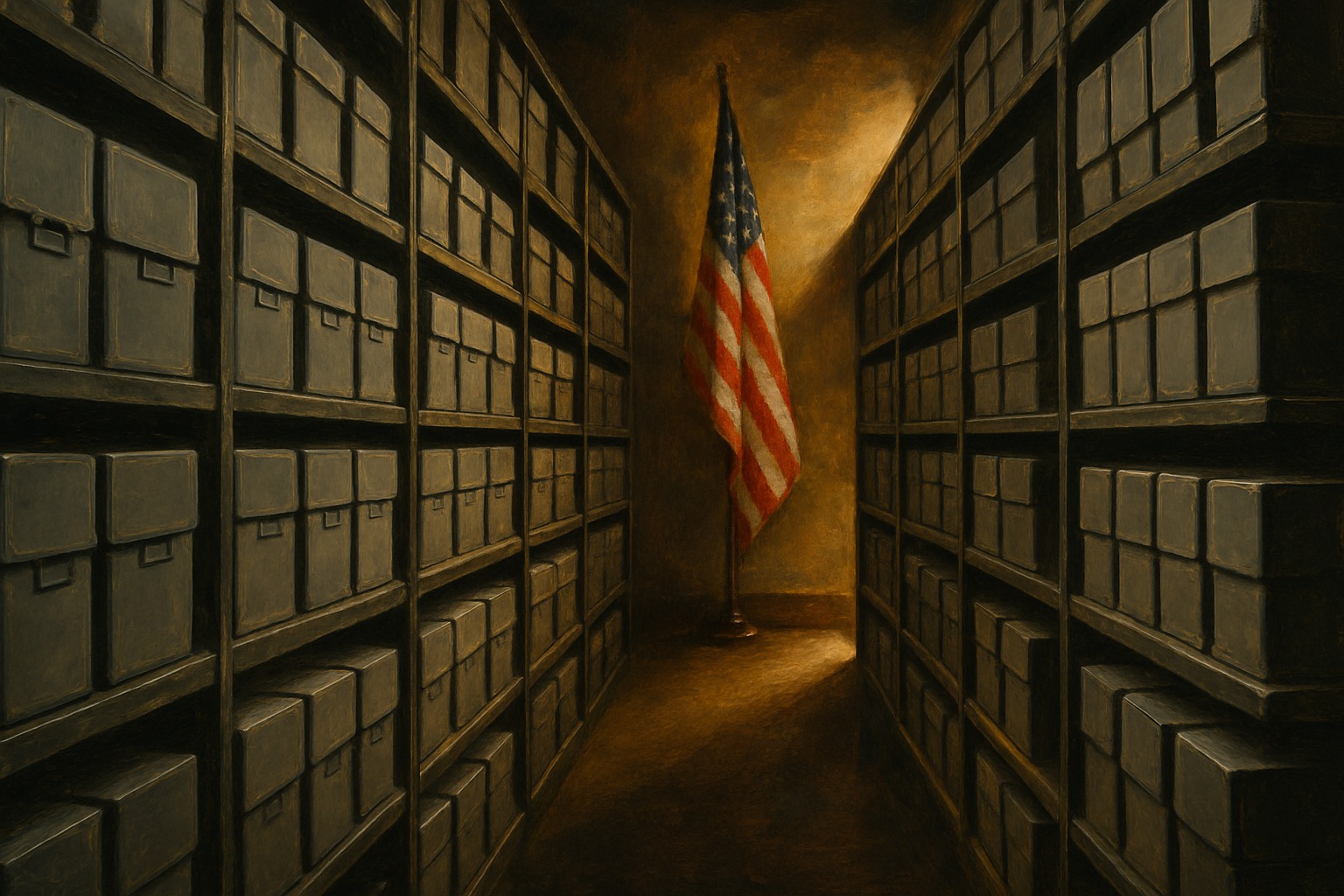
For nearly 150 years the federal government had no single, secure place to keep its own paper trail. Records were scattered across dozens of agency basements and warehouses, vulnerable to fire, flood, and simple neglect — a fire at the Commerce Department in 1921 destroyed most of the 1890 census, and government documents had already been lost or damaged in the British burning of Washington in 1814. Congress finally created the National Archives in 1934, during Herbert Hoover's administration, and architect John Russell Pope designed a windowless, fireproof limestone building on Constitution Avenue specifically to prevent it from happening again.
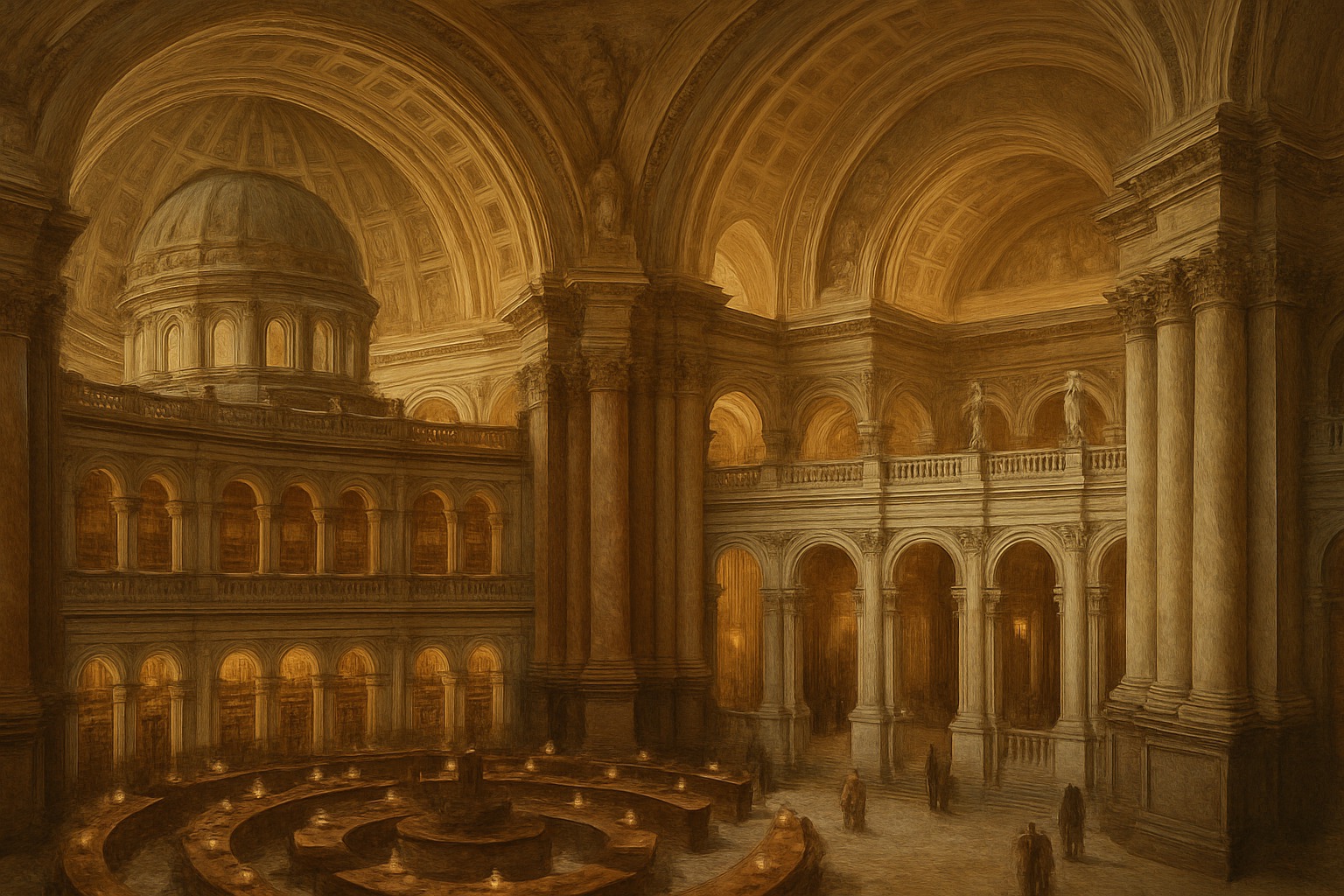
The Declaration of Independence, the Constitution, and the Bill of Rights — collectively called the Charters of Freedom — did not move into the Archives until 1952, and only after an unusual wartime detour. Fearing bombing or invasion during World War II, officials shipped the Declaration and Constitution to Fort Knox, Kentucky, for safekeeping between 1941 and 1944. Once installed in the Archives' rotunda, the documents were sealed in helium-filled glass-and-bronze cases designed to slow their deterioration; by 2003, conservators had replaced those cases with a more advanced encasement using inert argon gas and precisely controlled humidity, a project that took years of preparation.
The National Archives now holds an estimated 13 billion pages of records — military service files, immigration manifests, census returns, and the papers of nearly every federal agency — along with the network of presidential libraries that Franklin Roosevelt established in 1939 to keep each administration's records together and open to researchers. Millions of visitors file past the Charters of Freedom in the rotunda each year, and the agency's genealogical and military records remain among the most heavily used public archives in the country.
Often called the nation's memory, the National Archives embodies the democratic idea that a government's records belong to the people it serves. Its history reflects a maturing republic's recognition that preserving the documents of the past is essential to understanding the present and safeguarding the future.
| Established | 1934 |
| Architect | John Russell Pope |
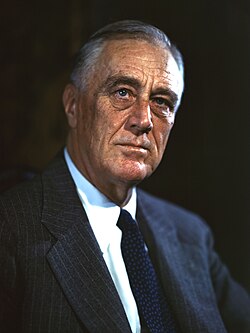
| Signed by | Franklin D. Roosevelt |
| Charters of Freedom moved in | 1952 |
| Houses | The Declaration, Constitution, and Bill of Rights |
| WWII safekeeping | Fort Knox, Kentucky (1941-1944) |
| Runs | The Presidential Libraries system |
| Case replaced with argon encasement | 2003 |
| Role | Preserving the permanent federal records |
| Location | Washington, D.C. |
| Nickname | "The nation's memory" |
| Date | Established 1934 |
| Location | Washington, D.C. |