Nullification Crisis
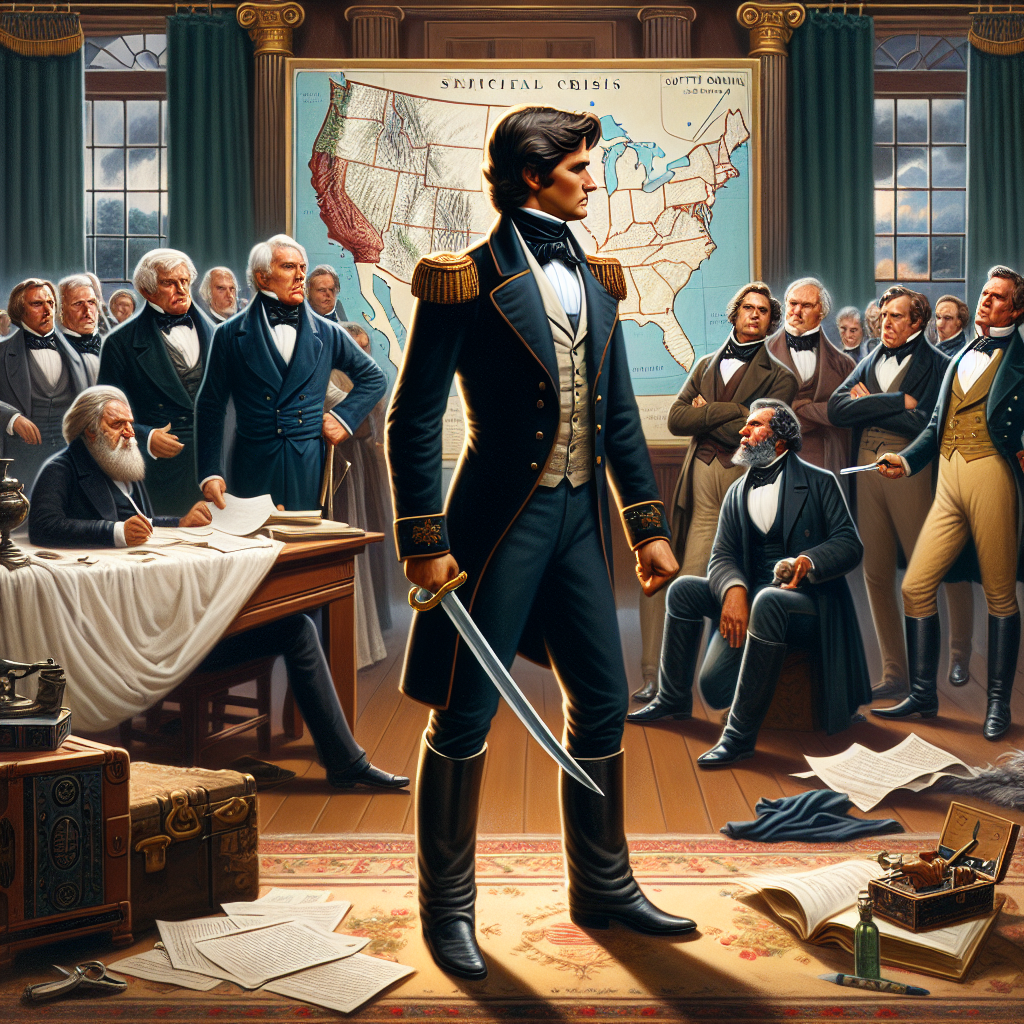
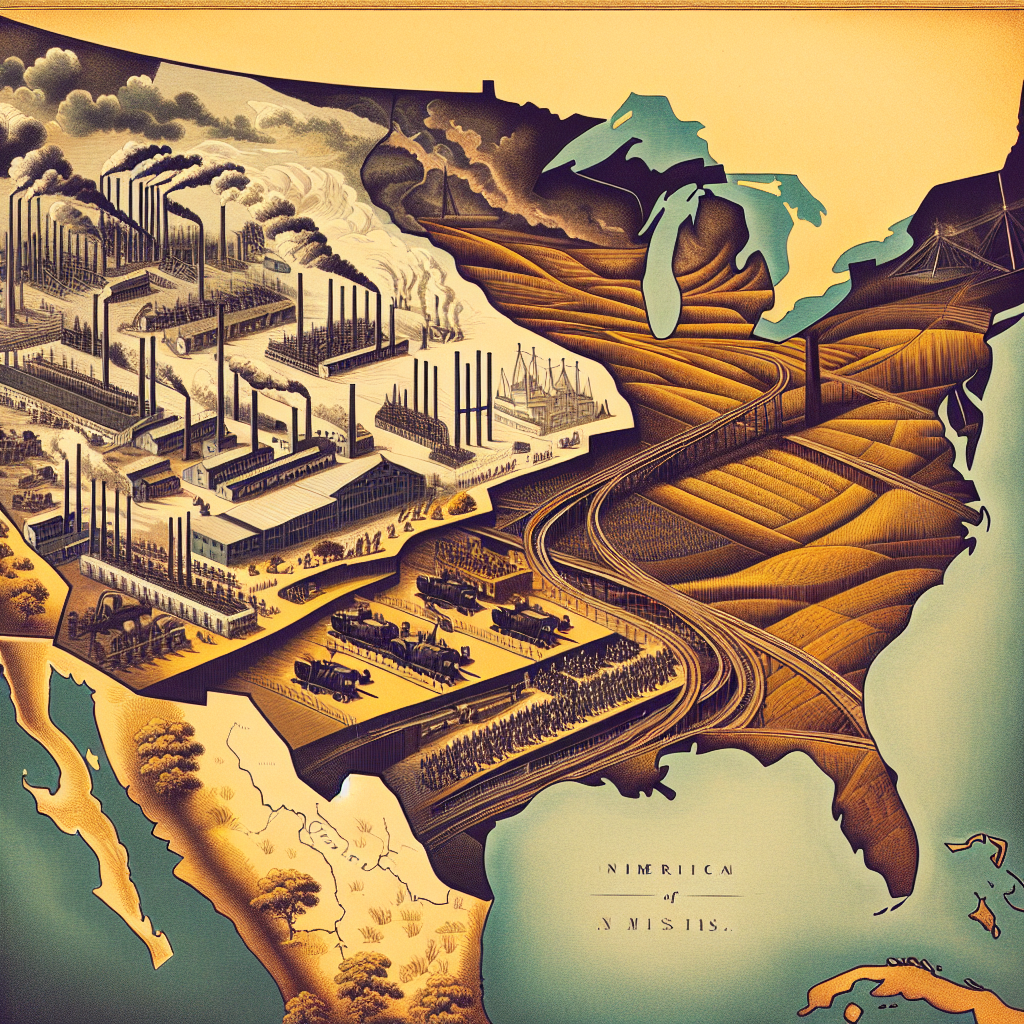
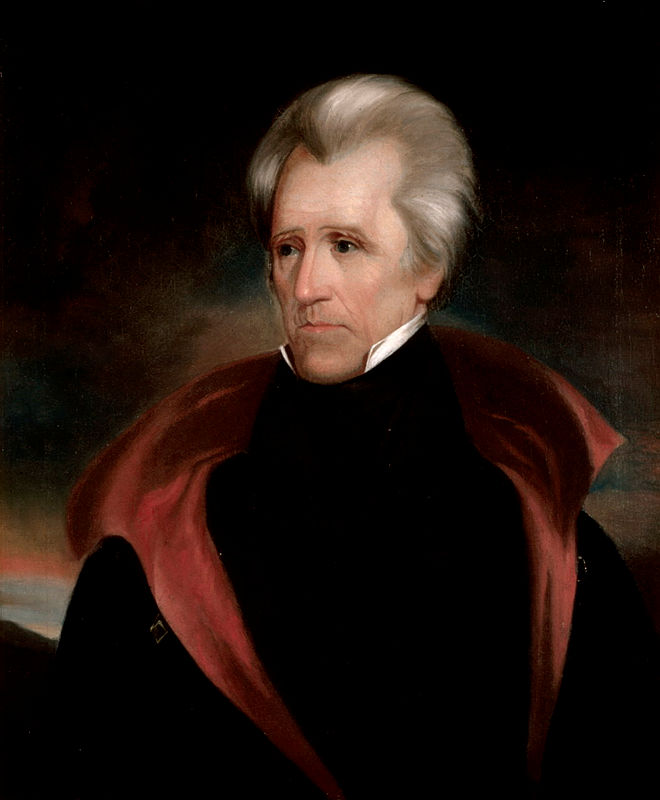
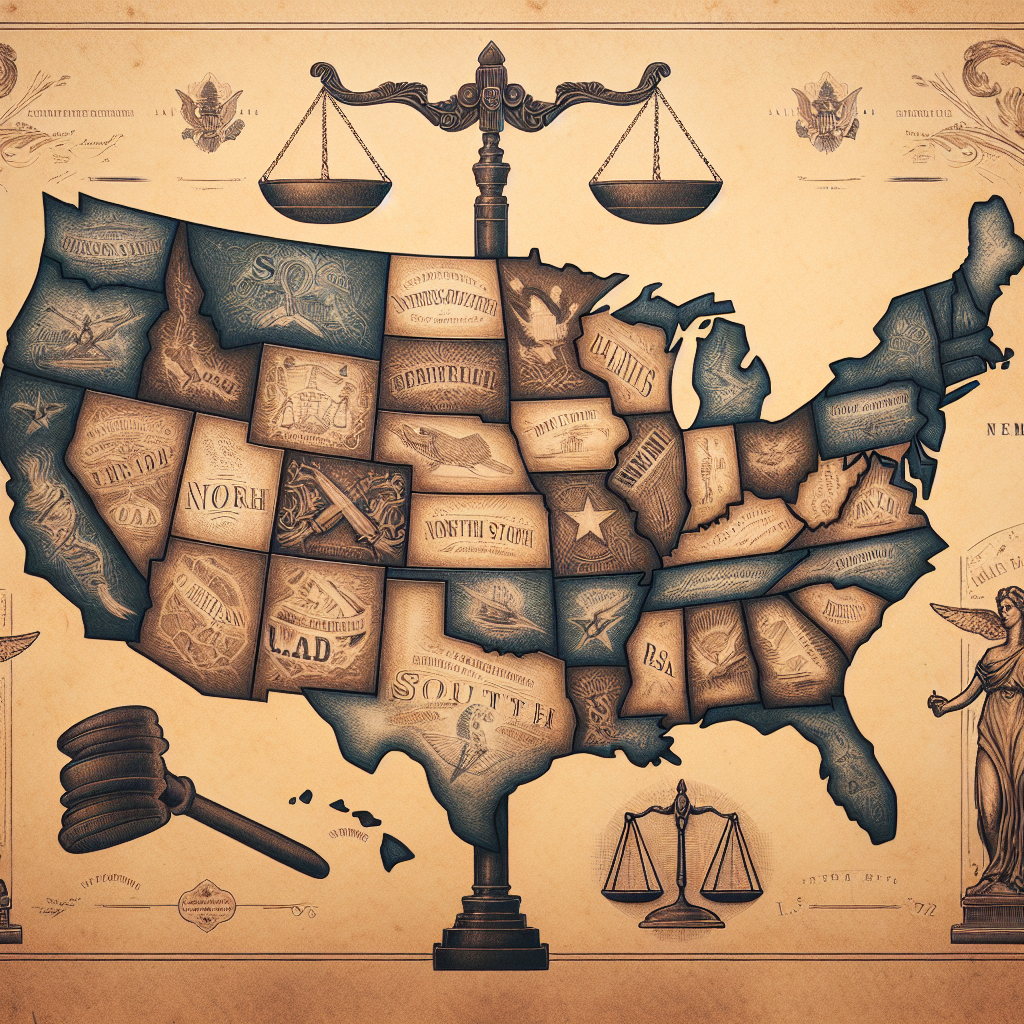
In November 1832, South Carolina passed an Ordinance of Nullification declaring two federal tariff laws — the "Tariff of Abominations" of 1828 and the Tariff of 1832 — unconstitutional and therefore void within the state's borders. No state official, it further declared, was permitted to enforce them. Andrew Jackson, who had been born in South Carolina, who had fought duels and wars for the honor of his country, and who had no patience for what he considered treason dressed up as constitutional theory, called the ordinance an act of disunion and prepared to send the Army.
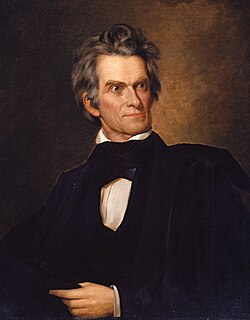
The theory behind nullification had been articulated by John C. Calhoun — who had resigned from the vice presidency to lead South Carolina's resistance — drawing on arguments Jefferson and Madison had made against the Alien and Sedition Acts in 1798. Jackson's response was unambiguous: he asked Congress for a Force Bill authorizing military action to collect the tariff by bayonet if necessary, and issued a proclamation declaring that nullification was incompatible with the existence of the Union. "Disunion by armed force is treason," he wrote — the bluntest presidential statement on federal supremacy in American history to that point.
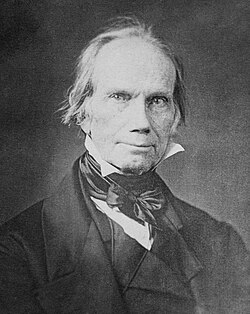
Henry Clay brokered a Compromise Tariff in 1833 that gradually reduced the disputed rates, giving South Carolina a face-saving reason to rescind its ordinance without either side fully winning. The immediate crisis passed — but it left behind a template. Calhoun's nullification doctrine, rejected in 1832, was the theoretical ancestor of secession in 1861. South Carolina would be the first state to leave the Union, as it had been the first to claim the right to do so. Jackson had beaten the doctrine without killing it, and the country paid for that incomplete victory a generation later.
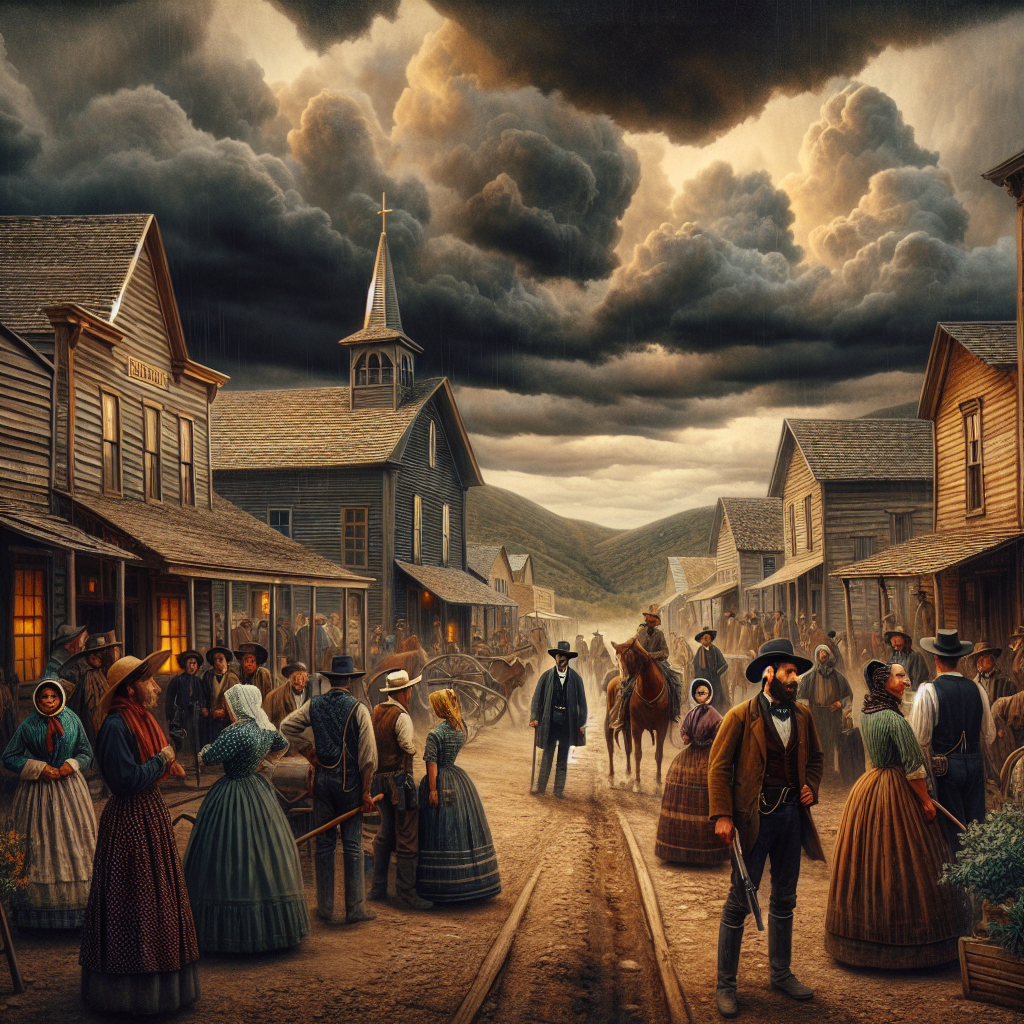
| Period | November 1832 – March 1833 |
| Trigger | Tariff of 1828 ("Tariff of Abominations") and Tariff of 1832 |
| S.C. Action | Declared federal tariffs null and void within state borders |
| Key Figure | John C. Calhoun — resigned as Vice President to lead the effort |
| Jackson's Response | Force Bill passed; threatened military action to collect tariff |
| Resolution | Compromise Tariff of 1833, brokered by Henry Clay |
| Legacy | Theoretical basis for secession doctrine of 1861 |
| Years | 1832–1833 |
| Location | Washington, D.C. / Columbia, South Carolina |