Twenty-third Amendment
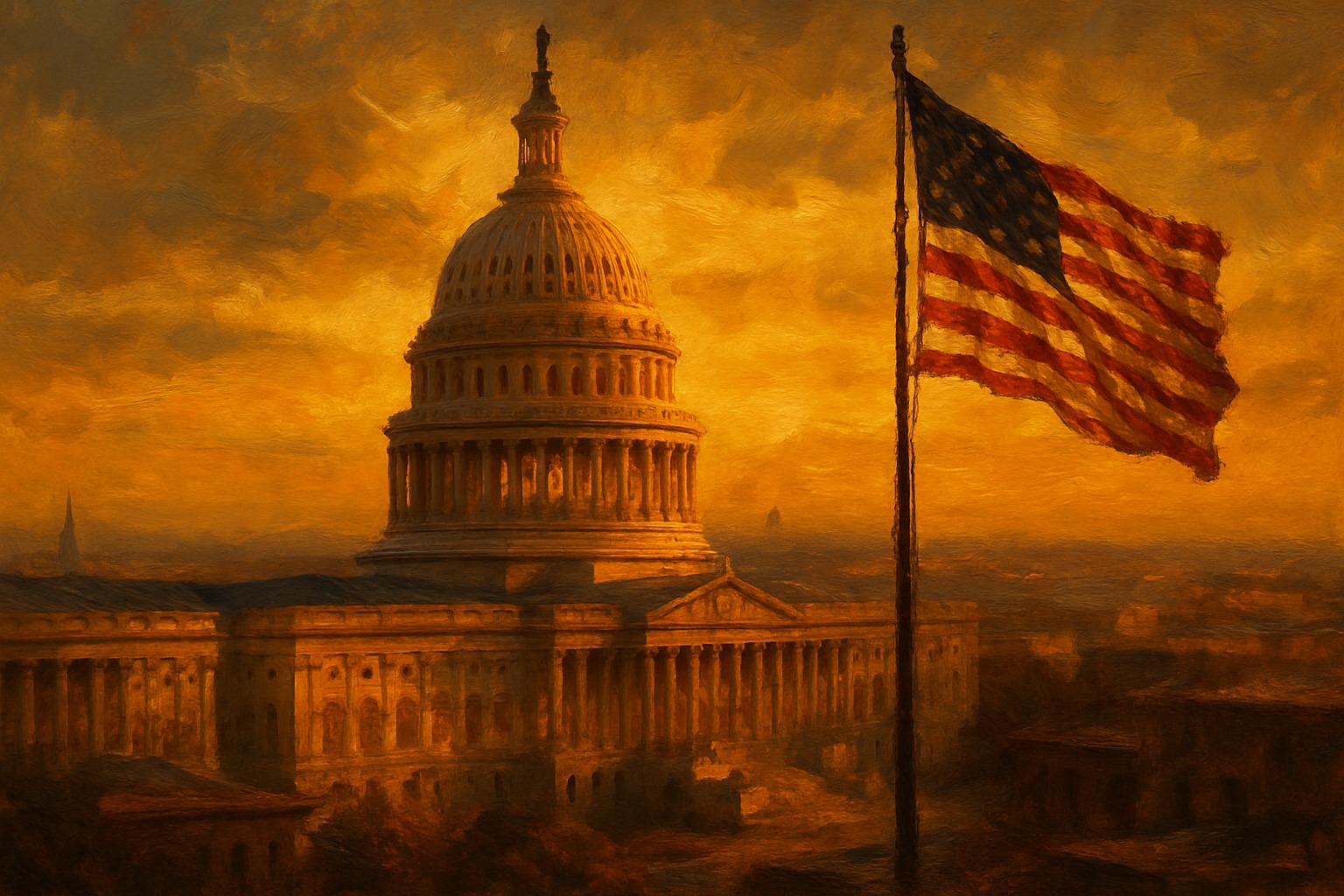
The Twenty-third Amendment, ratified in 1961, gave residents of Washington, D.C., the right to vote for president. Because the District is not a state, its citizens had been shut out of presidential elections entirely since the capital's founding; the amendment granted it electors in the Electoral College, capped at the number held by the least populous state — in practice, three.
The anomaly it corrected was stark. For more than 150 years, hundreds of thousands of Americans living in the seat of their own national government could pay federal taxes and be drafted into the army but had no say in choosing the president. The amendment, proposed and ratified with unusual speed, ended that particular exclusion, and the District cast its first presidential votes in 1964.
The amendment left the District's deeper grievances untouched. Washingtonians still have no voting representation in Congress — only a non-voting delegate in the House — and the slogan taxation without representation appears on the city's license plates to this day. The Twenty-third Amendment thus stands as a partial remedy, a reminder that the constitutional status of the nation's capital remains one of the unfinished questions of American democracy.
| Ratified | March 29, 1961 |
| Grants | Presidential electors to Washington, D.C. |
| Electors | Capped at the smallest state's total (3) |
| First vote | 1964 election |
| Unresolved | D.C. still lacks voting members of Congress |
| Date | Ratified March 29, 1961 |