First Amendment
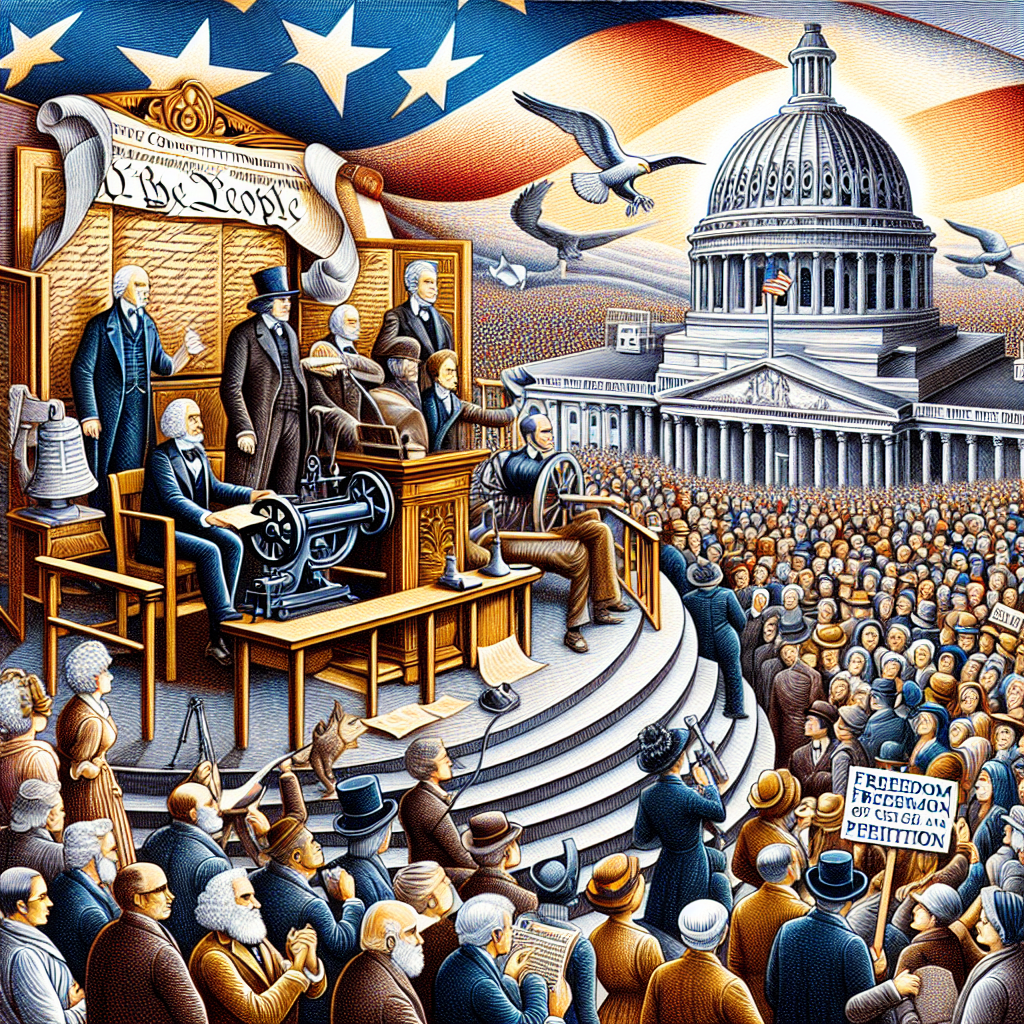
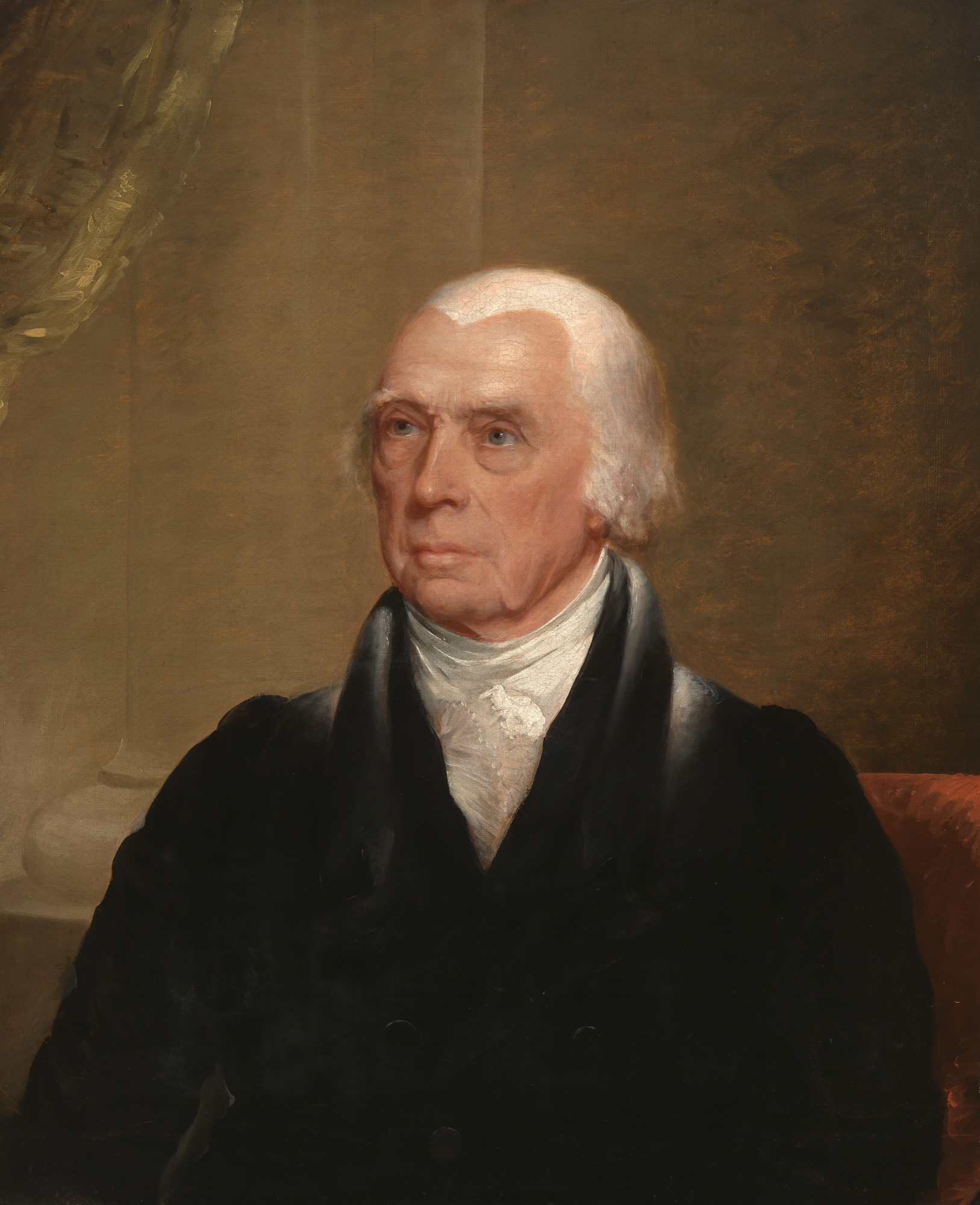
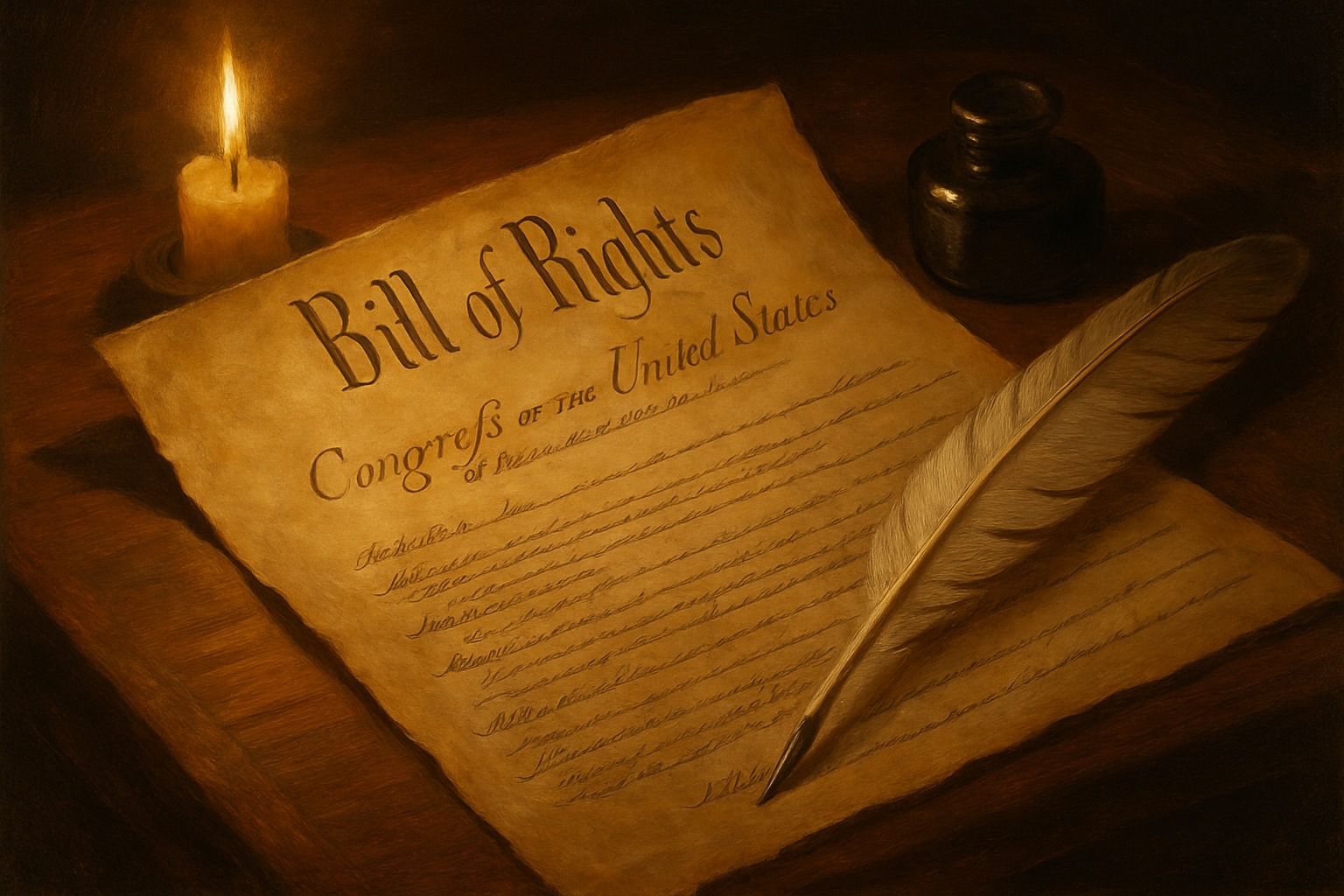
The First Amendment to the Constitution, ratified in 1791 as part of the Bill of Rights, prohibits Congress from making any law respecting an establishment of religion, abridging freedom of speech or the press, or restricting the right to peaceably assemble or to petition the government. Its 45 words encompass the five freedoms most essential to a functioning democracy and most threatening to an authoritarian government. James Madison, who drafted it, considered it the most important of the amendments. The founding generation understood it as a direct response to British practices — the licensing of presses, the prosecution of seditious libel, the quartering of troops to suppress dissent — that had been among the grievances driving the Revolution.
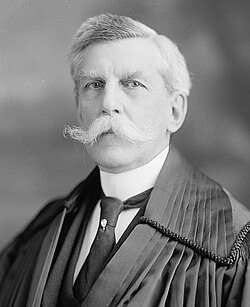
The amendment's reach was severely limited for its first century and a half. In Schenck v. United States (1919), the Supreme Court upheld the conviction of a Socialist Party official who had distributed anti-draft pamphlets, with Oliver Wendell Holmes writing that free speech did not protect someone who falsely shouted fire in a crowded theater. The clear and present danger test that emerged from Schenck allowed extensive government suppression of political speech through both world wars and the Red Scare. Holmes himself came to regret it: his dissent in Abrams v. United States that same year articulated the marketplace of ideas principle that would eventually reshape First Amendment doctrine.
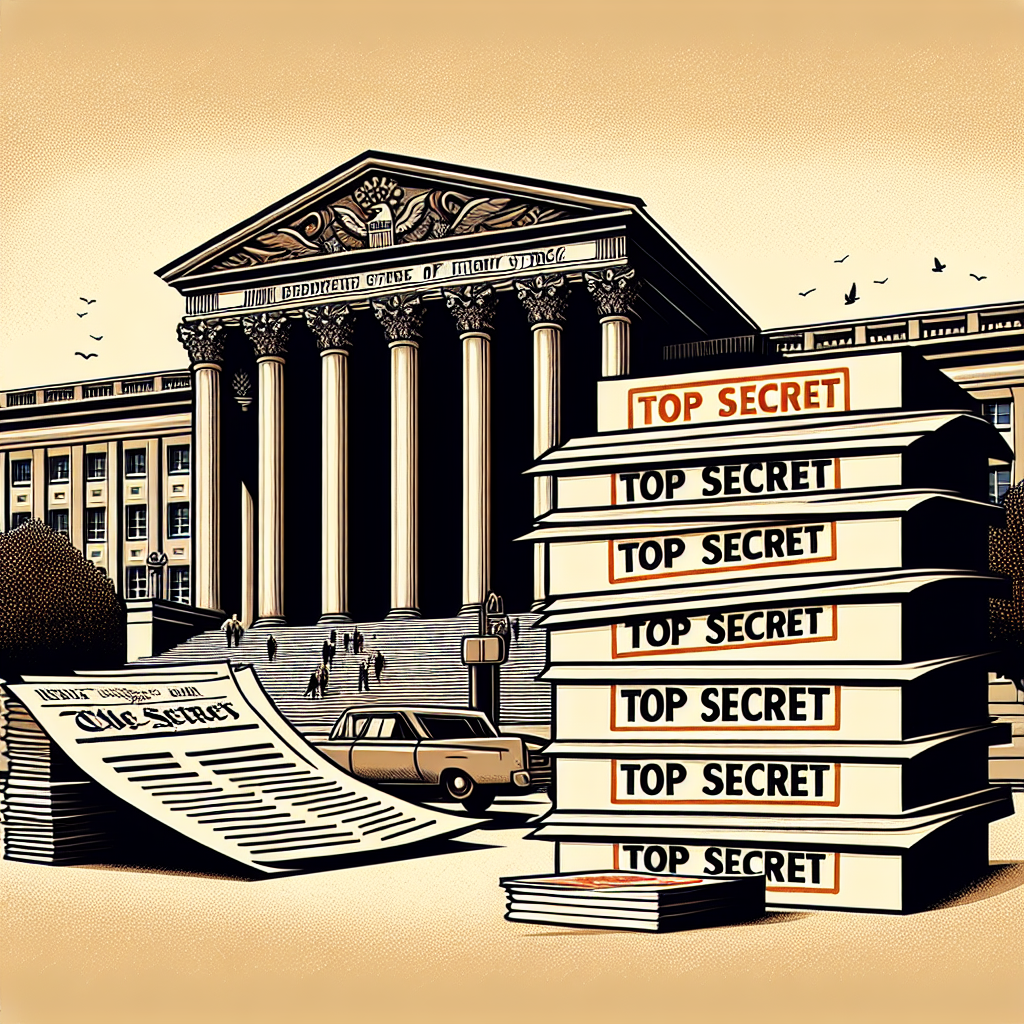
The modern First Amendment — broadly protective of political speech, hostile to prior restraint, suspicious of content-based regulation — is largely a product of Supreme Court decisions from the 1960s onward. New York Times Co. v. Sullivan (1964) established that public officials could not win defamation suits without proving actual malice, protecting robust debate about government. Brandenburg v. Ohio (1969) replaced the clear and present danger test with a standard that protects even advocacy of illegal action unless it is directed at producing imminent lawless action. Tinker v. Des Moines (1969) established that students do not shed their constitutional rights at the schoolhouse gate. The Pentagon Papers case (1971) set the bar for prior restraint nearly impossibly high. Together these decisions built the most speech-protective legal framework of any democracy in the world.
| Ratified | December 15, 1791 — part of the Bill of Rights |
| Drafted by | James Madison |
| Five freedoms | Religion, speech, press, assembly, petition |
| Early limits | Schenck v. United States (1919) — clear and present danger test |
| Modern standard | Brandenburg v. Ohio (1969) — imminent lawless action test |
| Press freedom | New York Times Co. v. Sullivan (1964); Pentagon Papers (1971) |
| Applies to | Government restrictions only — private actors not covered |
| Years | 1791 |
| Location | Washington, D.C. |