Gibbons v. Ogden
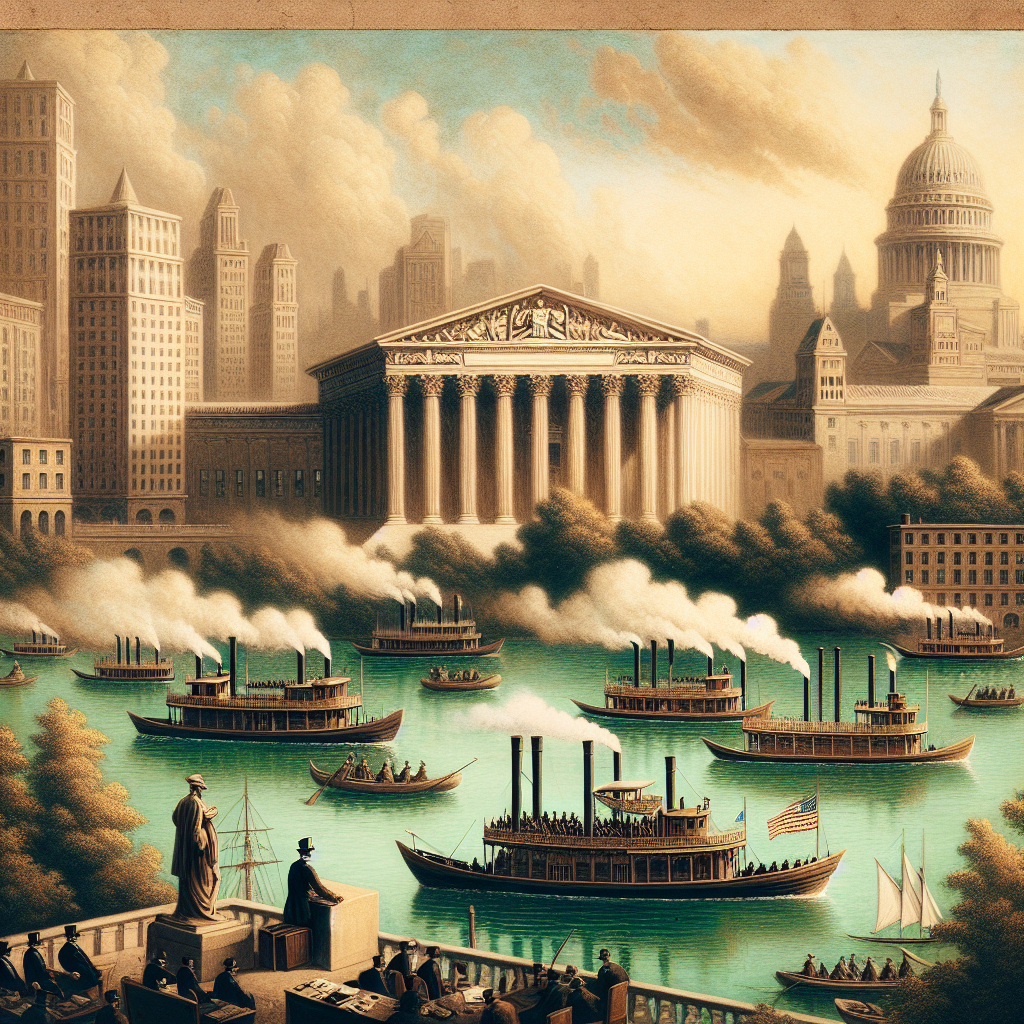
The dispute that produced one of the most important decisions in constitutional history began as a steamboat monopoly fight on the Hudson River. New York had granted Robert Livingston and Robert Fulton the exclusive right to operate steamboats in its waters; they licensed Aaron Ogden to run a ferry between New York and New Jersey. Thomas Gibbons operated a competing service under a federal coasting license. When Ogden sued to shut him down, the case worked its way to the Supreme Court and became something much larger than a rivalry between two ferry operators.
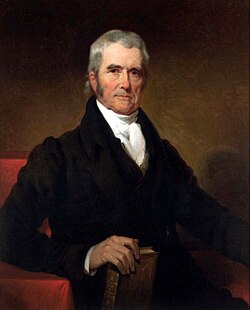
Chief Justice John Marshall's 1824 opinion defined the Commerce Clause of the Constitution with a breadth that shaped American economic life for two centuries. Commerce, Marshall held, was not merely the buying and selling of goods but included navigation and all commercial intercourse between states. Congress's power to regulate commerce among the several states was complete in itself, acknowledging no limits other than those in the Constitution. The ruling struck down New York's monopoly and opened the nation's waterways to competition — the immediate practical effect — but its deeper consequence was establishing federal authority over interstate commerce as essentially unlimited.
Gibbons v. Ogden became the constitutional foundation for nearly every major expansion of federal economic regulation in American history. The Interstate Commerce Act, the Sherman Antitrust Act, the National Labor Relations Act, the Civil Rights Act of 1964 — all rested ultimately on the commerce power Marshall defined in 1824. When Congress needed a constitutional basis for regulating railroads, child labor, wages, or racial discrimination in public accommodations, Gibbons was the answer. Daniel Webster, who argued for Gibbons, called it his greatest legal triumph.


| Decided | March 2, 1824 |
| Vote | Unanimous |
| Author | Chief Justice John Marshall |
| Key clause | Commerce Clause, Article I, Section 8 |
| Argued for Gibbons | Daniel Webster |
| Immediate effect | Struck down New York steamboat monopoly |
| Long-term effect | Constitutional basis for all federal commerce regulation |
| Date | March 2, 1824 |
| Location | Washington, D.C. |