Twenty-fifth Amendment

The Twenty-fifth Amendment, ratified in 1967, laid out clear rules for what happens when a president dies, resigns, is removed, or becomes unable to do the job. It confirmed that the vice president becomes president — not merely acting president — on a vacancy, created a way to fill a vacant vice presidency, and, most novel, established procedures for handling a president who is temporarily or permanently incapacitated.
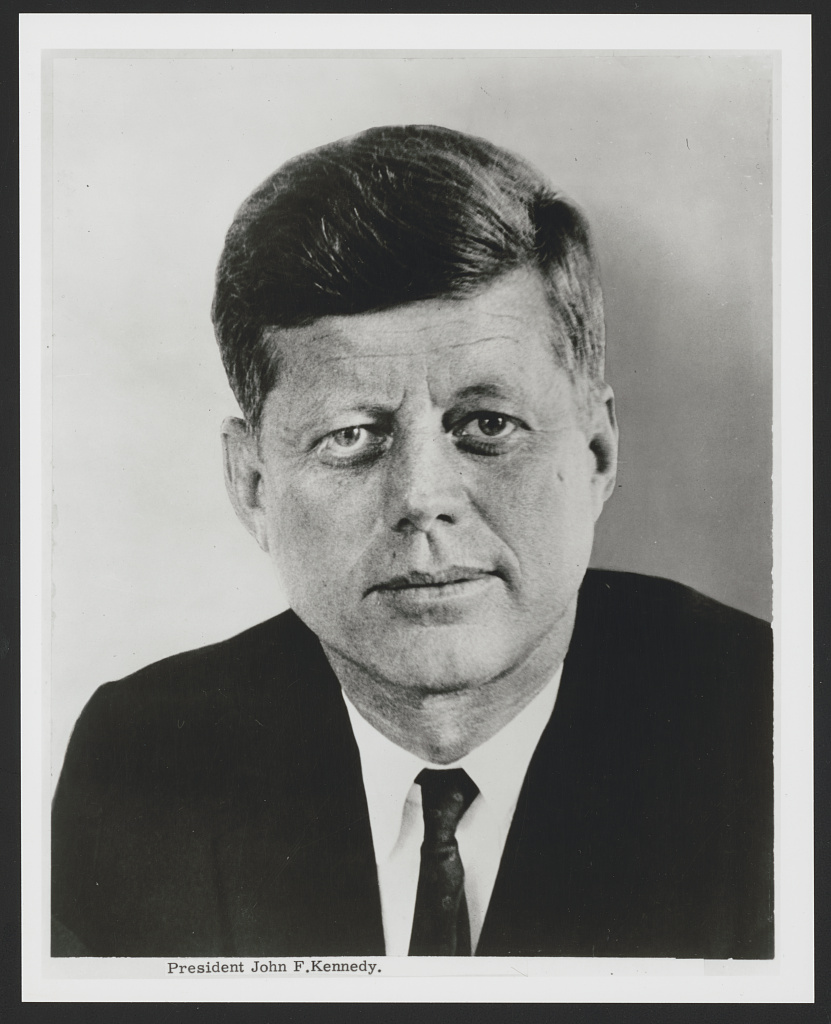
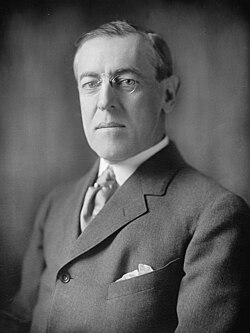
The amendment answered questions the Constitution had left dangerously vague. The assassination of John F. Kennedy in 1963 had sharpened the concern: for the rest of that term there was no vice president at all, and the country had no settled process for a disabled president. Earlier gaps — Woodrow Wilson's stroke in 1919, hidden from the public, and James Garfield's eighty days of dying in 1881 — had exposed the same hole. The amendment finally filled it.
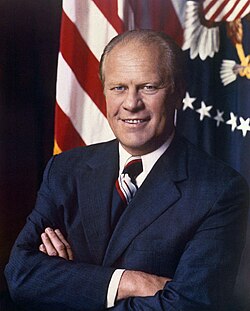
Its provisions have been used in real crises. Section 2, on filling a vice-presidential vacancy, was invoked twice in quick succession in the 1970s — when Gerald Ford replaced the resigned Spiro Agnew, and then when Nelson Rockefeller replaced Ford after he became president — meaning that for a time neither the president nor vice president had been elected to their office. Section 3, letting a president temporarily transfer power, has been used briefly during medical procedures.
Section 4 — the provision allowing the vice president and Cabinet to declare a president unable to serve over his own objection — has never been formally invoked. It remains the amendment's most debated clause, a constitutional emergency brake that exists precisely so that it rarely, if ever, has to be pulled.

| Ratified | February 10, 1967 |
| Addresses | Presidential succession and disability |
| Prompted by | JFK assassination (1963) |
| Section 2 used | Ford (1973) and Rockefeller (1974) |
| Section 4 | Never formally invoked |
| Date | Ratified February 10, 1967 |