Federalism

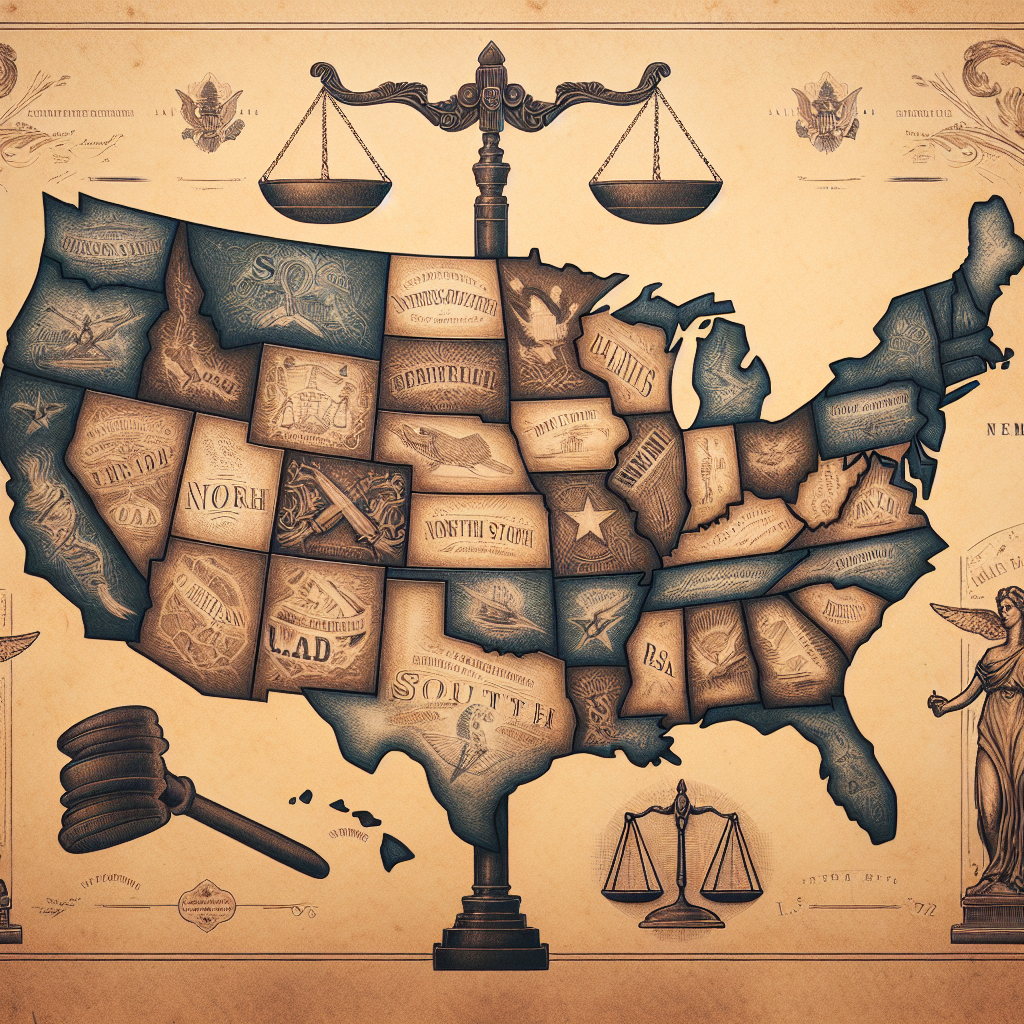
American federalism was not a theory applied to a blank slate — it was a compromise hammered out between people with genuinely different visions of what kind of government a republic required. The Constitution's framers had lived under both extremes: the near-total sovereignty of the states under the Articles of Confederation, which had proven unworkable, and the centralized imperial authority of the British crown, which had proven intolerable. Federalism was the solution that split the difference, dividing sovereign power between a national government with defined, limited powers and state governments retaining everything else. The argument about where exactly that line falls has never ended.
The Constitution established the framework but left its boundary conditions deliberately vague. The Tenth Amendment reserved unenumerated powers to the states, but the Supremacy Clause made federal law supreme. The Commerce Clause gave Congress broad power to regulate interstate commerce — a provision whose reach expanded dramatically with the industrial economy and the New Deal. The Civil War settled one dimension of the argument permanently: states could not secede. But questions about federal versus state authority over civil rights, healthcare, education, and criminal justice have been relitigated in every generation since.
Federalism has served different political purposes in different eras. In the antebellum South, "states' rights" was the argument used to protect slavery from federal interference. During Reconstruction and the civil rights era, federal power was the instrument of Black Americans' legal equality against states determined to deny it. In the late 20th century, conservatives championed devolution of power to the states; in the early 21st, they used federal authority when it served their purposes. The constitutional structure remains constant while the political valence of who benefits from each level of government shifts with each generation.





| Established | U.S. Constitution, 1787 |
| Key Provisions | Tenth Amendment (state powers); Supremacy Clause; Commerce Clause |
| Articles of Confederation | Prior system — too weak, no federal supremacy |
| Civil War Role | Settled that states cannot secede |
| Civil Rights Era | Federal power used to override state segregation laws |
| Ongoing Debates | Healthcare, education, criminal justice, immigration authority |
| Years | 1787 |
| Location | United States |