Executive Order
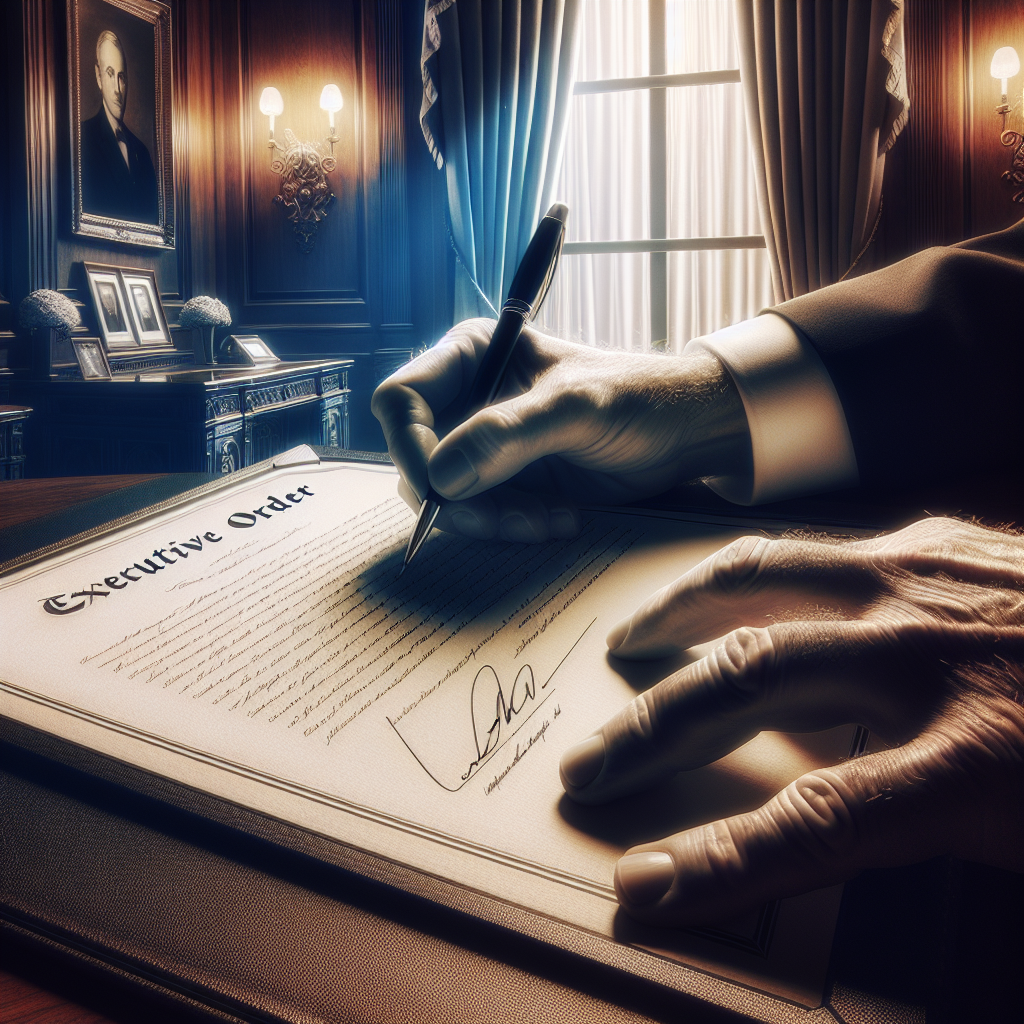
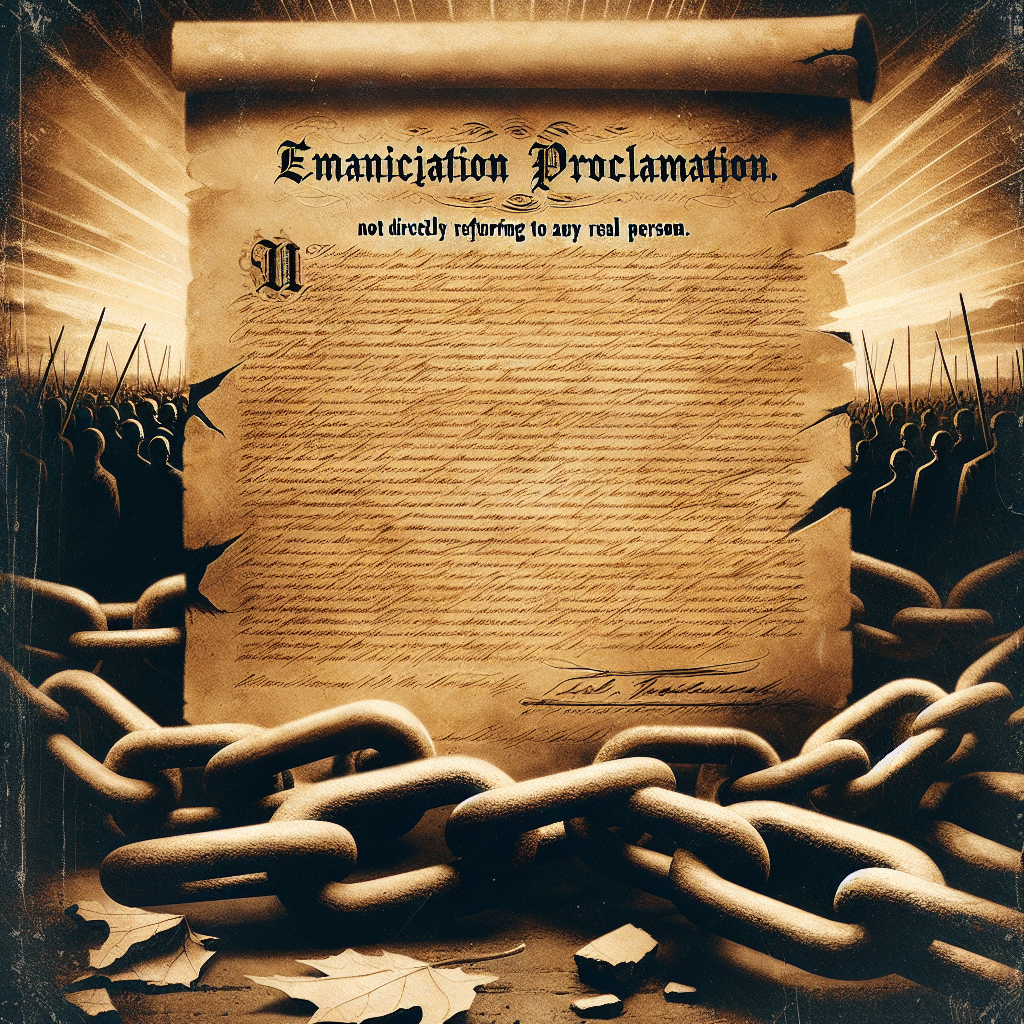
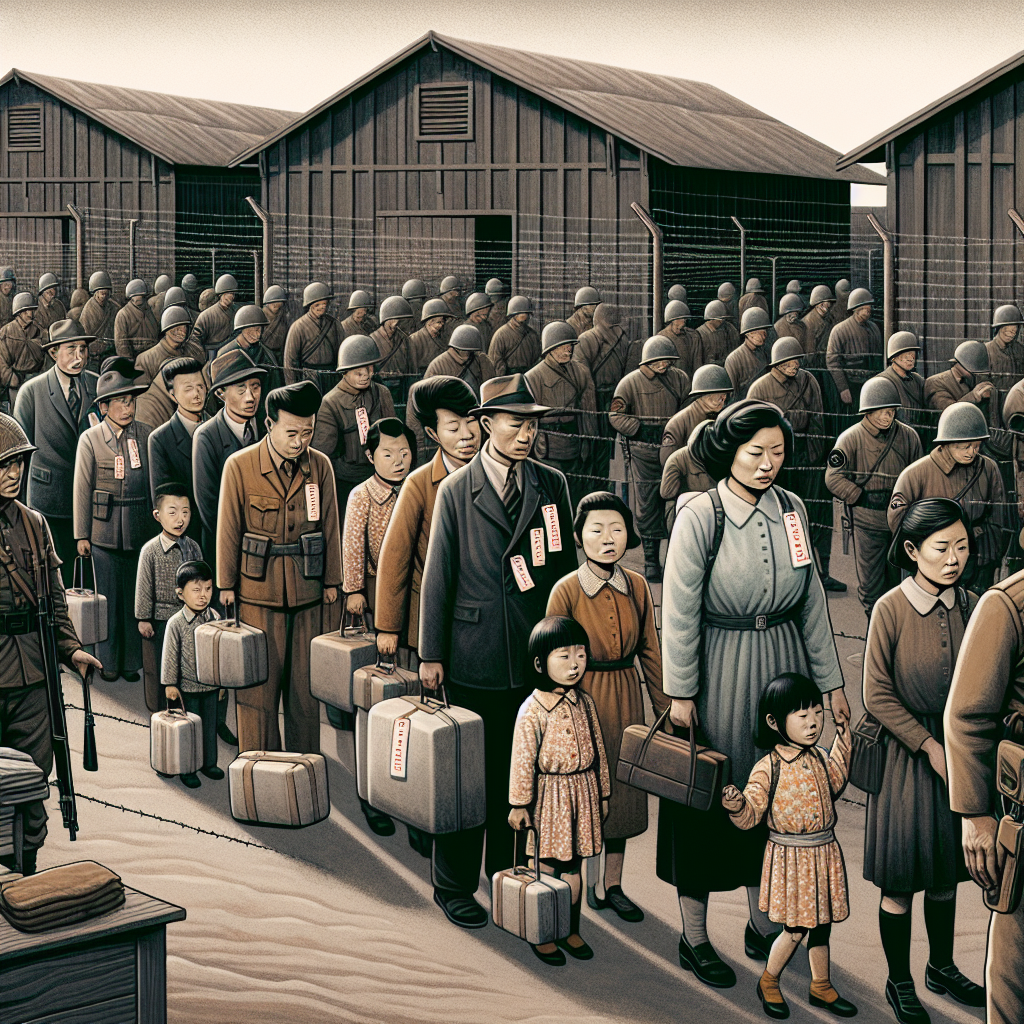
The Constitution says the president shall "take Care that the Laws be faithfully executed" and says nothing about executive orders. George Washington issued the first one in 1789. Abraham Lincoln issued one in 1863 that freed four million enslaved people. Franklin D. Roosevelt issued one in 1942 that imprisoned 120,000 Japanese Americans. Every president has used them; none has agreed on their limits. They are among the most powerful and most contested tools in the American executive arsenal, operating in the space between what Congress has passed into law and what the Constitution explicitly grants the president to do alone.
An executive order carries the force of law and remains in effect until revoked — by the issuing president, a successor, or a court. That impermanence is both their institutional weakness and their political utility. What one president orders, the next can undo with a signature on his first day in office. Trump revoked dozens of Obama-era orders on day one; Biden revoked dozens of Trump's; Trump revoked dozens of Biden's upon returning to office. This cycle of reversal has made executive orders a primary engine of ideological whiplash — especially on immigration, environmental regulation, and federal workforce composition — and intensified arguments about whether the presidency has grown beyond the boundaries the Framers intended.
Courts have imposed limits, though inconsistently. The Supreme Court struck down Truman's seizure of steel mills during the Korean War in Youngstown Sheet & Tube Co. v. Sawyer (1952) — a ruling that established the framework American law still uses: presidential power is strongest when Congress has authorized it, uncertain when Congress is silent, and weakest when Congress has expressly prohibited it. That framework hasn't ended the debate. It has structured it, giving courts a vocabulary for evaluating a constitutional instrument the Framers gave the executive without naming it.
| Constitutional Basis | Implied by Article II — no explicit constitutional authorization |
| First Issued | George Washington, June 8, 1789 |
| Most Prolific | Franklin D. Roosevelt — 3,721 orders across 12 years |
| Notable Examples | Emancipation Proclamation (1863); EO 9066 Japanese internment (1942); EO 9981 military desegregation (1948) |
| Key Court Limit | Youngstown Sheet & Tube Co. v. Sawyer (1952) — steel mills seizure struck down |
| Duration | Remains law until revoked by a president or overturned by a court |
| Recent Pattern | Major reversals of predecessor orders on inauguration day have become routine |
| Years | 1789 |
| Location | Washington, D.C. |