Separation of Church and State
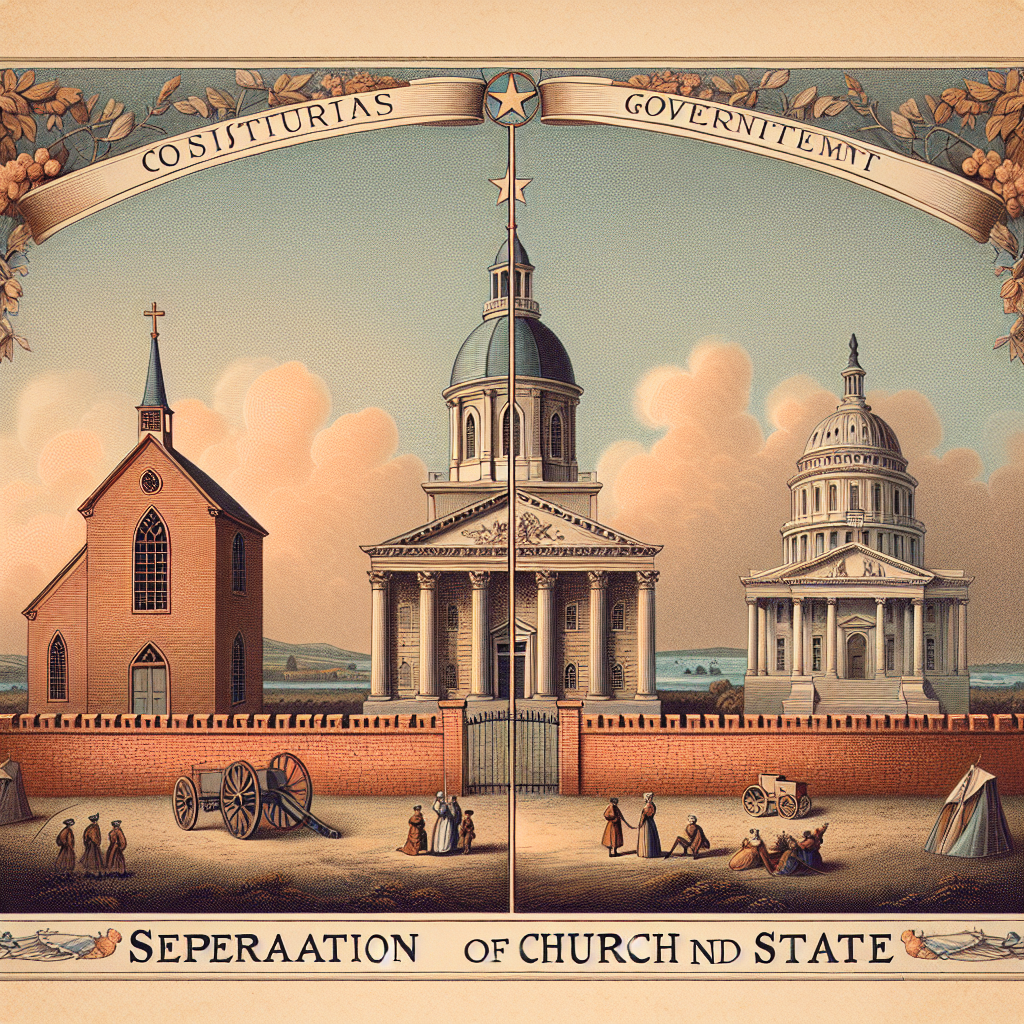
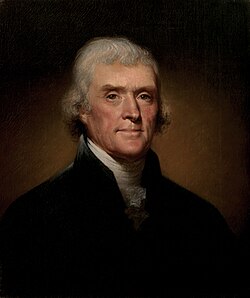
The phrase "separation of church and state" appears nowhere in the Constitution. It comes from a letter Thomas Jefferson wrote to the Danbury Baptist Association in January 1802, in which he described the First Amendment as building "a wall of separation between Church & State." The amendment itself is more specific: Congress shall make no law respecting an establishment of religion, or prohibiting the free exercise thereof. What those twelve words mean in practice — which laws constitute establishment, which government acts prohibit free exercise — has been debated in American courts, schools, and legislatures from the founding through the present day.
The Supreme Court's 20th-century rulings drew the sharpest lines. Everson v. Board of Education (1947) applied the Establishment Clause to state governments for the first time. Engel v. Vitale (1962) banned school-sponsored prayer in public schools, igniting a political backlash that never fully dissipated. Lemon v. Kurtzman (1971) established a three-part test that governed establishment cases for half a century. The tensions ran through every subsequent decade: school curriculum fights over evolution and intelligent design, public nativity displays, legislative chaplains, vouchers for religious schools, and the question of how much government accommodation of religion crosses into government promotion of it.
The wall Jefferson described has proven neither straight nor solid. The Supreme Court's 2022 ruling in Kennedy v. Bremerton School District allowed a public school football coach to pray on the field after games, signaling a turn toward greater accommodation of public religious expression. The United States is among the most religiously observant wealthy democracies in the world while maintaining a secular constitutional framework — a combination that produces institutional friction as a feature rather than a flaw, and that no generation has resolved to its successors' satisfaction.
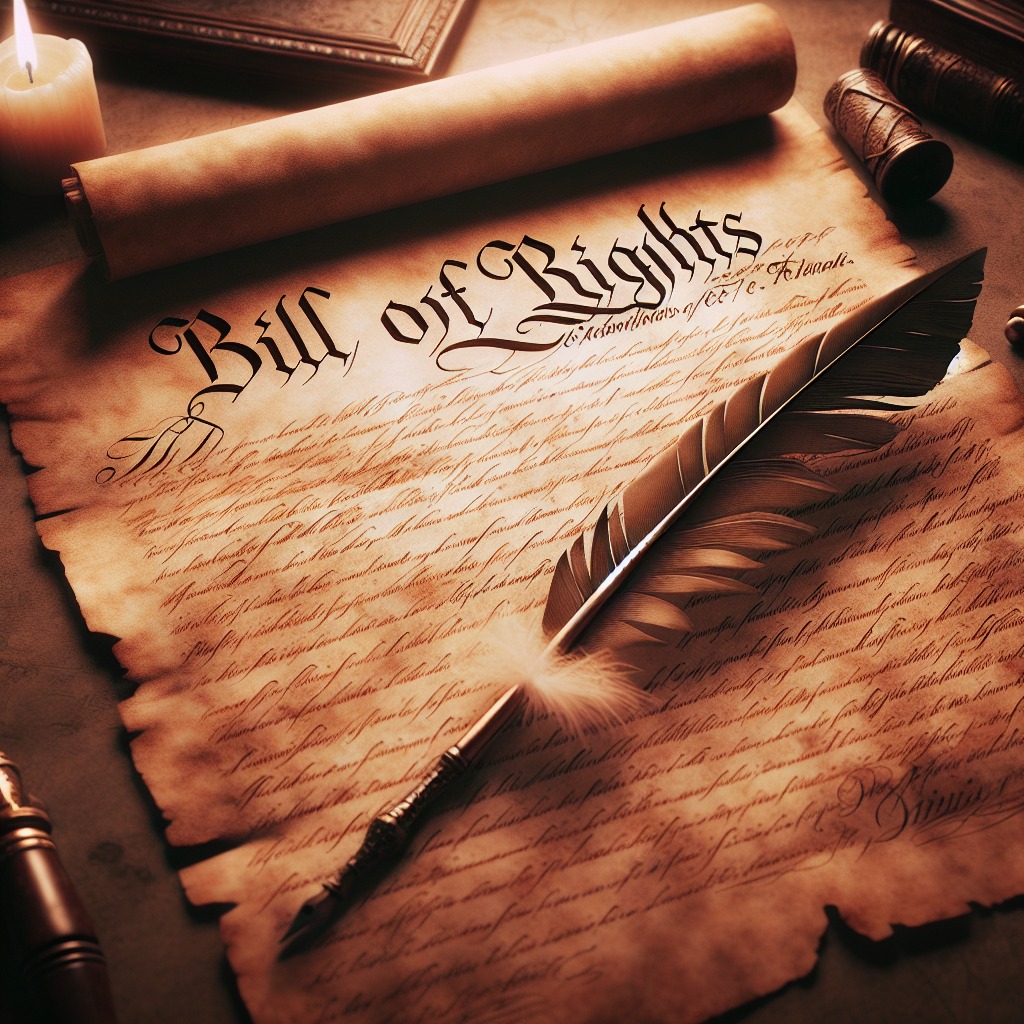
| Constitutional Basis | First Amendment, ratified December 15, 1791 |
| Jefferson's Phrase | "Wall of separation" — letter to Danbury Baptists, January 1, 1802 |
| Key Case (1947) | Everson v. Board of Education — Establishment Clause applied to states |
| Key Case (1962) | Engel v. Vitale — school-sponsored prayer ruled unconstitutional |
| Key Case (1971) | Lemon v. Kurtzman — established three-part Lemon Test |
| Key Case (2022) | Kennedy v. Bremerton — Lemon Test walk back; coach prayer allowed |
| Ongoing Tension | School vouchers, public displays, religious exemptions, curriculum |
| Years | 1791 |
| Location | Washington, D.C. |