Equal Protection
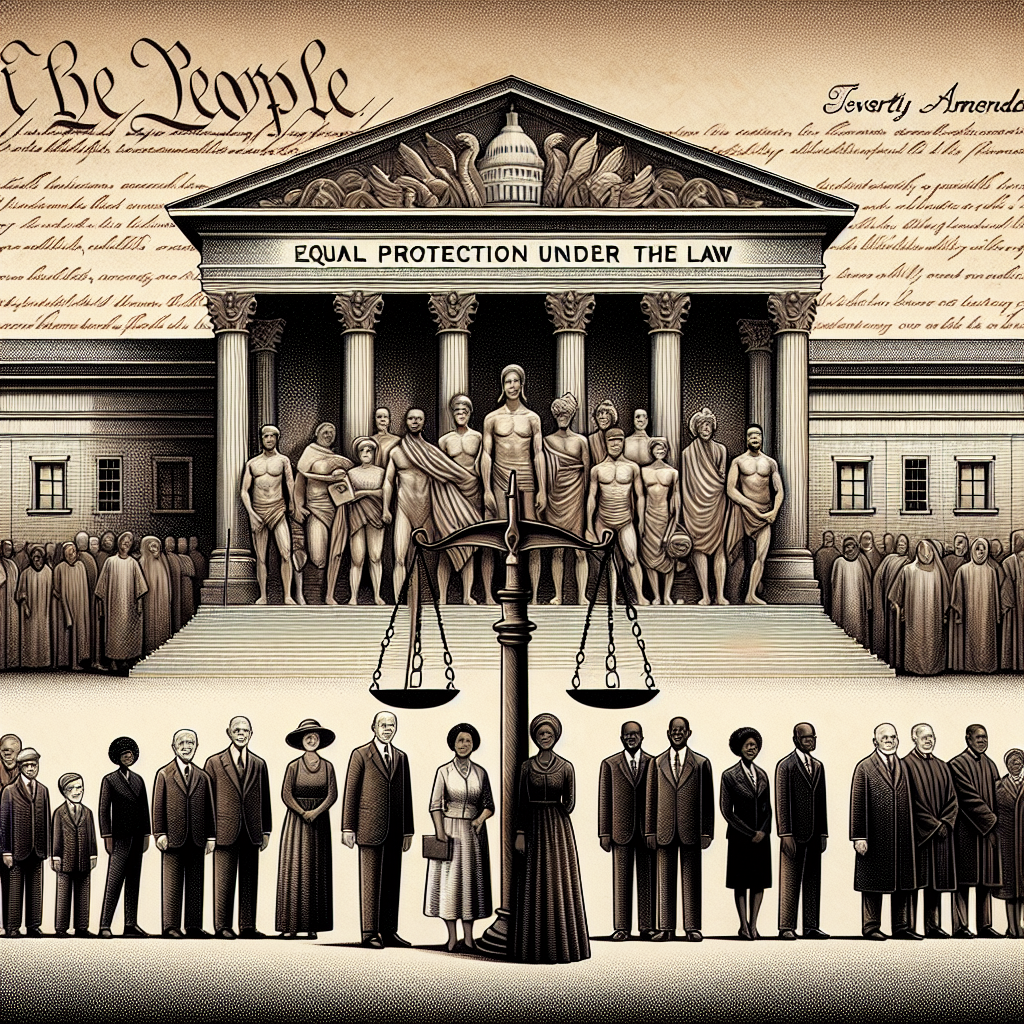
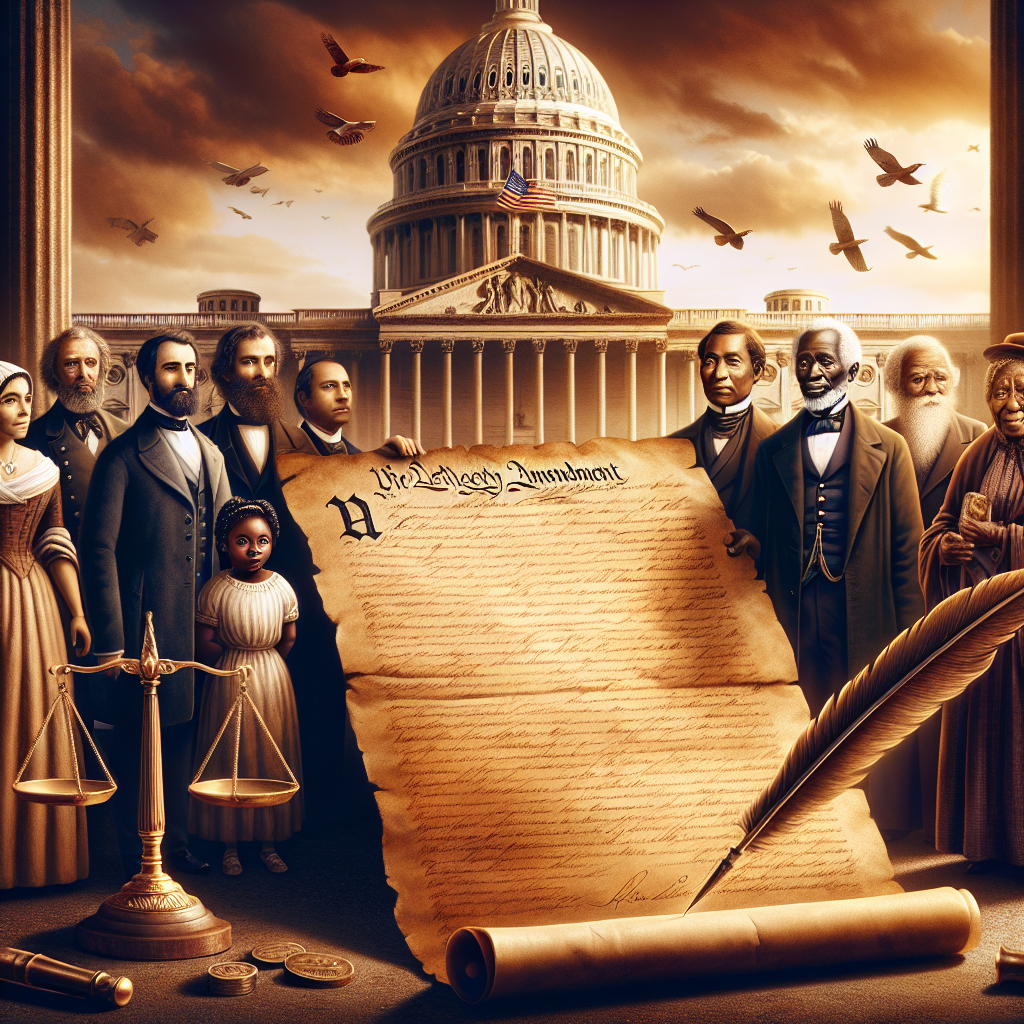
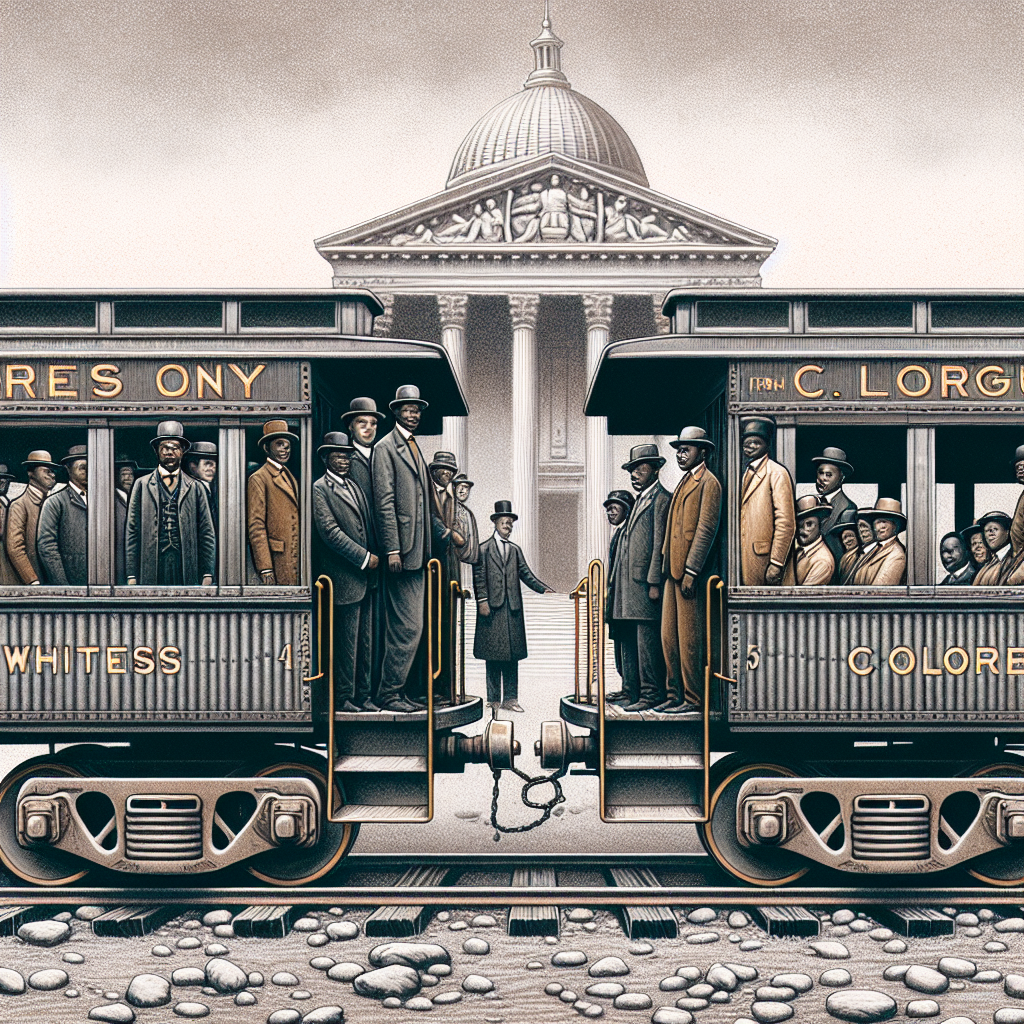
The Equal Protection Clause of the Fourteenth Amendment — "nor shall any State deny to any person within its jurisdiction the equal protection of the laws" — was ratified in 1868 to ensure that the former Confederate states could not enact laws that discriminated against newly freed Black Americans. Its drafters intended it as a direct repudiation of the Black Codes, the post-Civil War state laws that had effectively recreated the conditions of slavery under different legal names. Within three decades, however, the Supreme Court had gutted it: Plessy v. Ferguson (1896) held that racially separate facilities were constitutionally equal, a fiction that provided the legal foundation for Jim Crow for nearly 60 years.
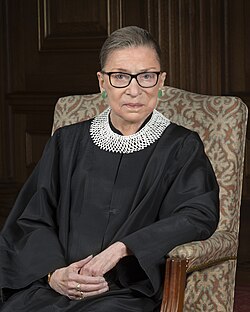
The clause was restored to something like its original purpose by the Warren Court. Brown v. Board of Education (1954) held that racially segregated public schools were inherently unequal and overturned Plessy. The civil rights decisions that followed — on public accommodations, voting rights, and housing — applied the Equal Protection Clause to dismantle the legal architecture of segregation piece by piece. The Court also extended the clause beyond race: Reed v. Reed (1971) applied it to sex discrimination for the first time, and Ruth Bader Ginsburg's litigation strategy throughout the 1970s built on that precedent to construct the modern constitutional framework of gender equality.
Equal protection doctrine operates through tiers of scrutiny. Laws that classify people by race or national origin receive strict scrutiny — they are presumed unconstitutional unless the government can show they serve a compelling interest. Laws that classify by sex receive intermediate scrutiny. Most other laws receive only rational basis review, the most permissive standard. The tier applied in a given case often determines the outcome, which is why battles over how to categorize a classification — as racial, quasi-suspect, or merely economic — are among the most consequential in constitutional litigation.

| Constitutional basis | Fourteenth Amendment, Section 1, ratified 1868 |
| Original purpose | Prevent discrimination against freed Black Americans |
| Gutted by | Plessy v. Ferguson (1896) — separate but equal |
| Restored by | Brown v. Board of Education (1954) |
| Extended to sex | Reed v. Reed (1971); Ginsburg litigation strategy, 1970s |
| Tiers of scrutiny | Strict (race); Intermediate (sex); Rational basis (other) |
| Companion concept | Due Process |
| Years | 1868 |
| Location | Washington, D.C. |