Ninth Amendment

The Ninth Amendment answers an objection rather than granting a specific right. It provides that the enumeration in the Constitution of certain rights shall not be construed to deny or disparage others retained by the people. In plain terms: just because a right is not listed in the Bill of Rights does not mean Americans do not have it.
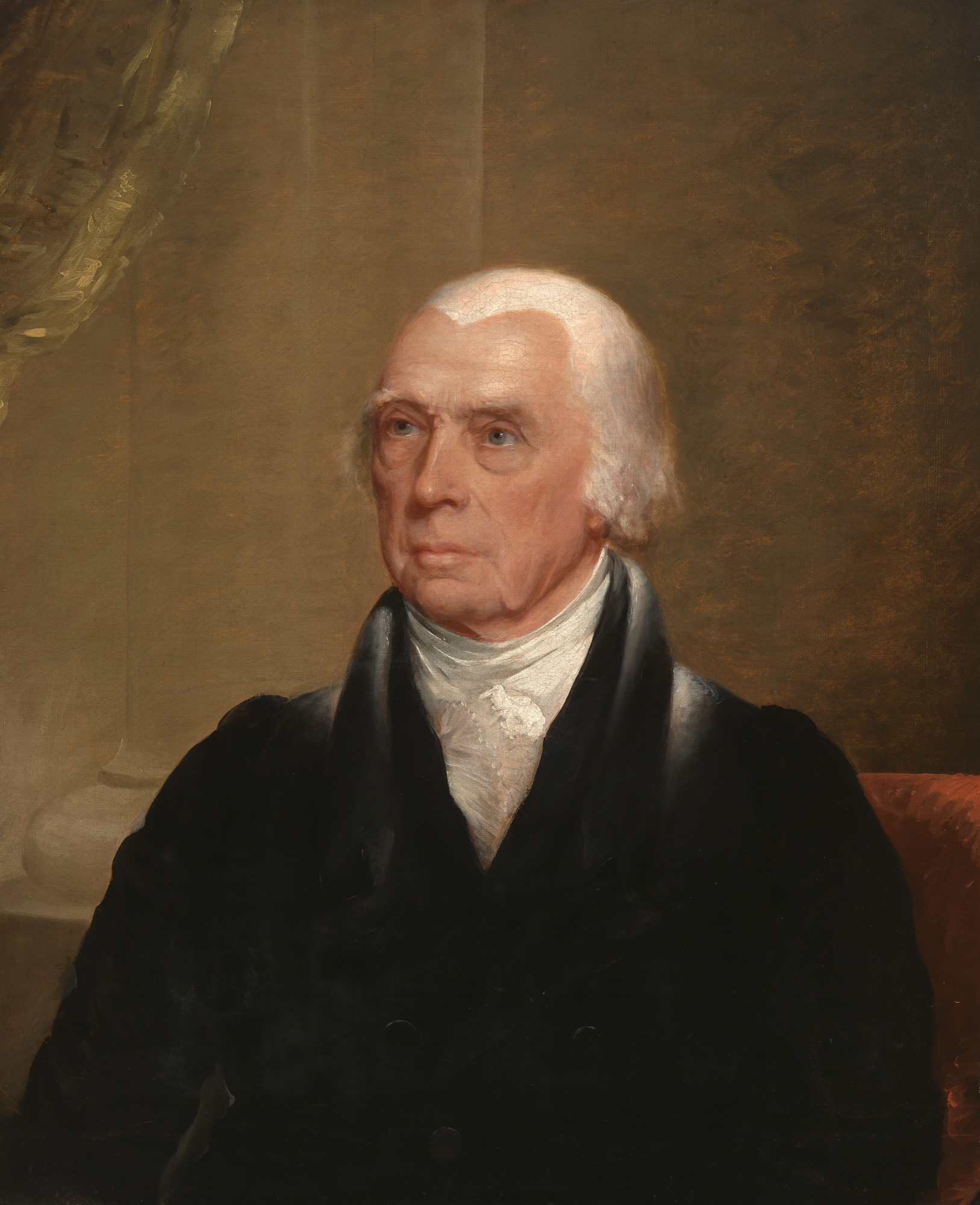
The clause resolved a genuine dilemma at the founding. Federalists like Alexander Hamilton had argued against any bill of rights at all, warning that listing some freedoms would imply the government could infringe any freedom left off the list. James Madison, drafting the amendments, added the Ninth precisely to defuse that danger — a textual insurance policy declaring the enumerated rights to be a floor, not a ceiling.
For most of American history the amendment sat unused, too abstract to decide cases. It gained new life in Griswold v. Connecticut (1965), where several justices cited it to help ground a constitutional right to privacy — reasoning later extended to contraception, marriage, and, for decades, abortion. Because it points to rights without naming them, the Ninth Amendment remains one of the most philosophically debated and least judicially settled lines in the Constitution, invoked by those who believe the document protects liberties its authors never wrote down.
| Part of | Bill of Rights |
| Ratified | December 15, 1791 |
| Principle | Unlisted rights are still retained by the people |
| Author | James Madison |
| Purpose | To answer Federalist fears of an incomplete list |
| Notable use | Griswold v. Connecticut (1965) |
| Date | Ratified December 15, 1791 |