States' Rights
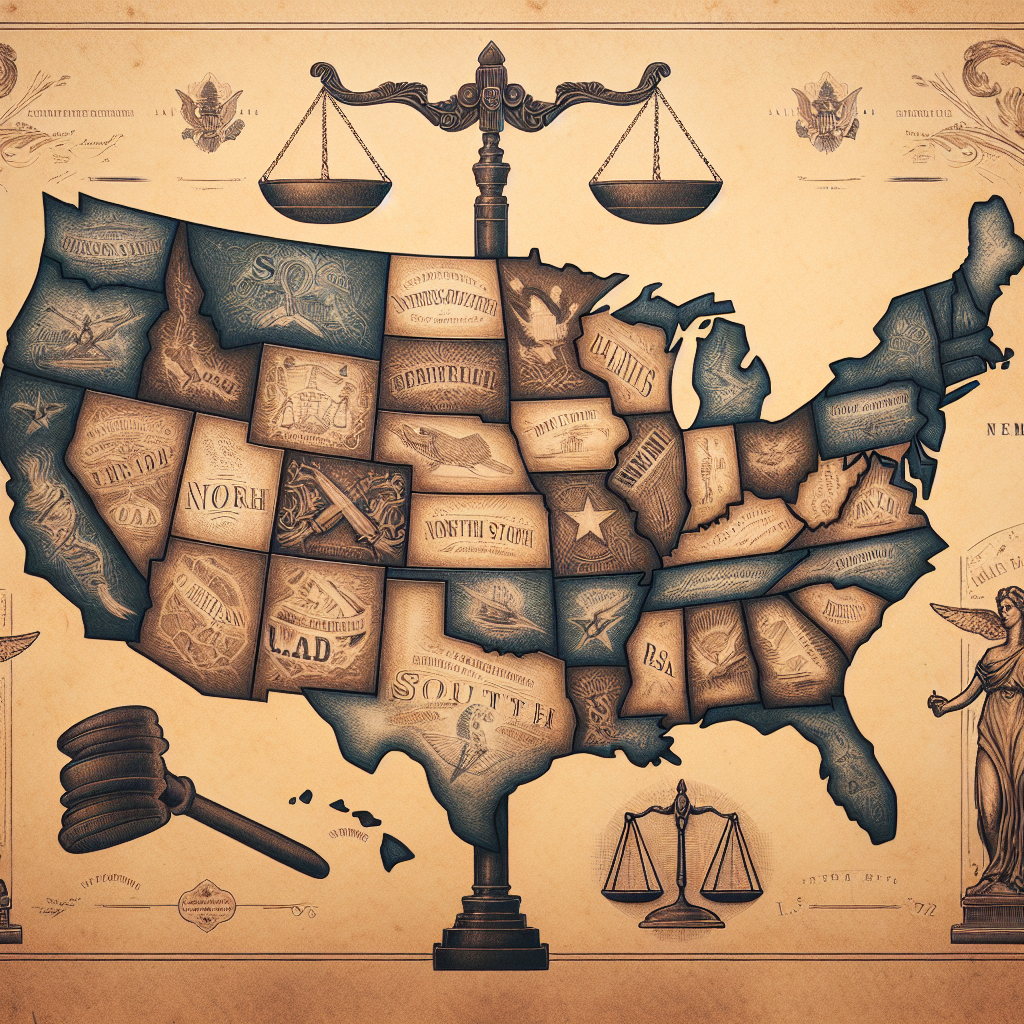
Few phrases in American political history have carried more weight — or more varied meaning — than "states' rights." At its core, the concept holds that the Constitution reserves significant governing authority to the individual states, limiting what the federal government can do without their consent. That tension is baked into the founding: the Constitution was written by men who had just fought a war against a distant central authority, and they embedded that suspicion into the document's structure. What they failed to agree on — and what Americans have argued ever since — is exactly where the line falls.
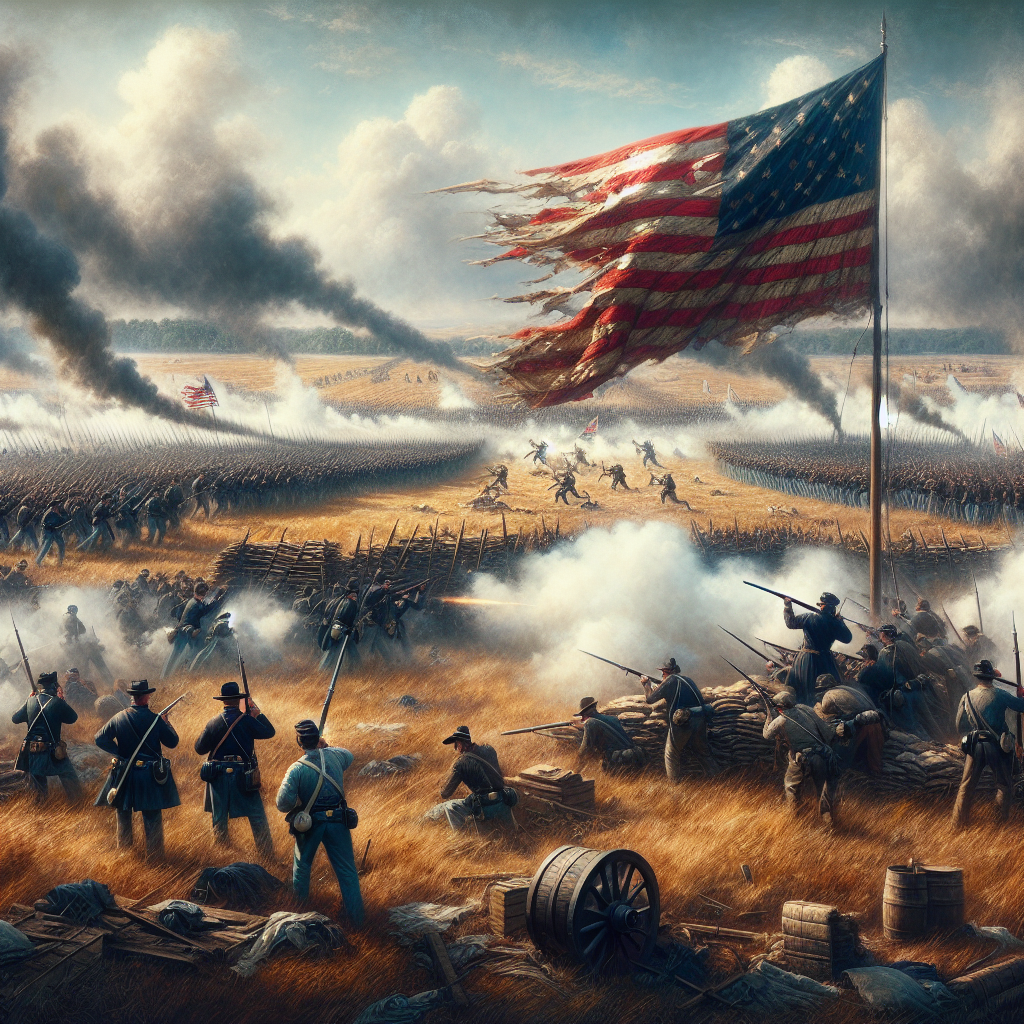
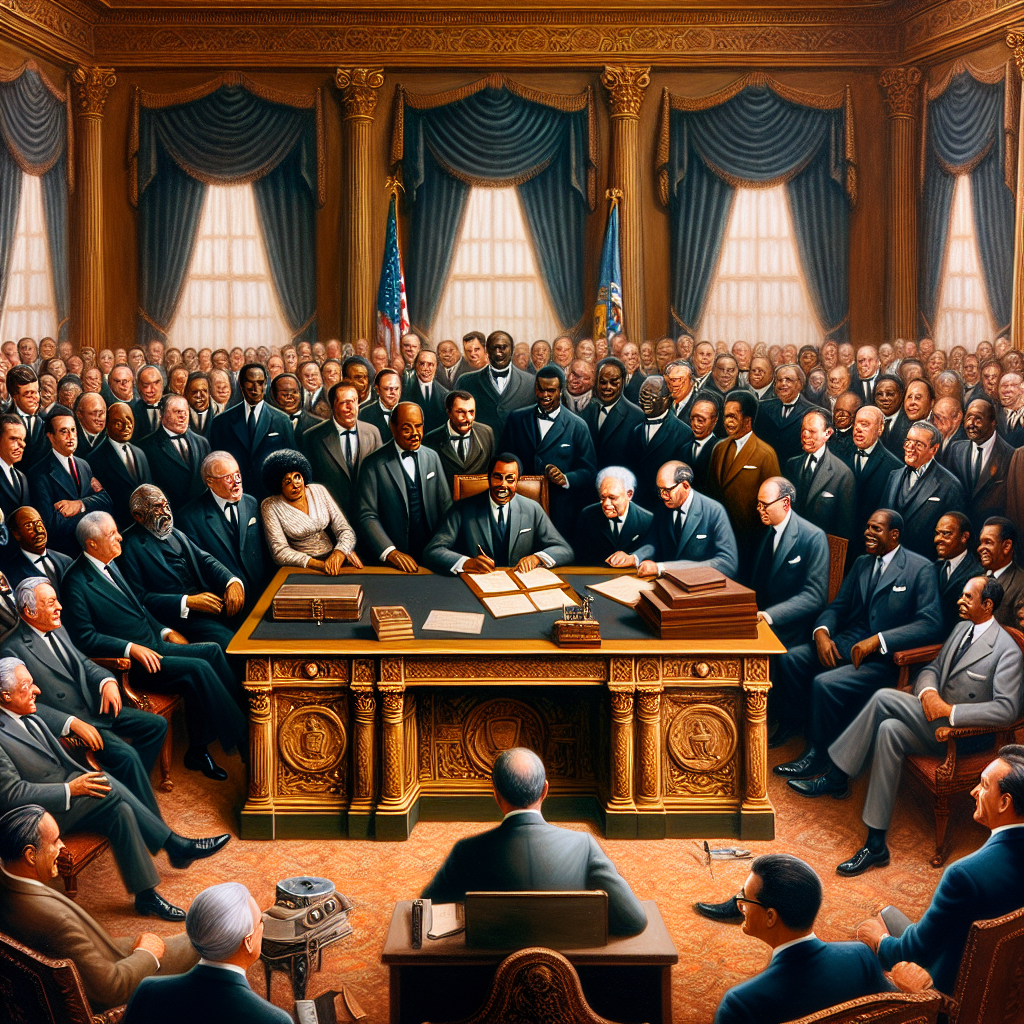
States' rights arguments have appeared throughout American history, sometimes advancing justice and sometimes defending its opposite. The doctrine animated the nullification crisis of 1832, when South Carolina claimed the right to void a federal tariff within its borders. It undergirded the secession of 1861, when Southern states argued that leaving the Union was a sovereign prerogative. It resurfaced in the 1950s and 1960s as "massive resistance" to federal civil rights legislation. In each case, the invocation of state sovereignty masked a substantive dispute — about slavery, about race, about economic power — that constitutional language alone could not resolve.
The doctrine belongs to no single political tradition. States have also invoked their authority to legalize marijuana in defiance of federal law, expand civil rights protections beyond federal minimums, and resist federal immigration enforcement. The Tenth Amendment — reserving to the states all powers not delegated to the federal government — remains one of the most contested sentences in American law, its meaning shifting with whoever holds power and whatever they most need it to mean.


| Constitutional Basis | Tenth Amendment (1791) |
| Key Doctrines | Nullification, Interposition, Compact Theory |
| Key Crises | Nullification Crisis (1832); Secession (1861); Massive Resistance (1956–65) |
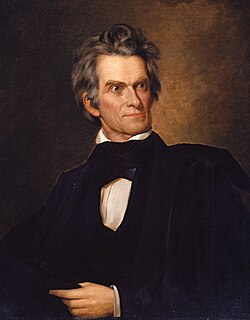
| Major Theorists | John C. Calhoun; James Madison (Federalist Papers) |
| Key Court Cases | McCulloch v. Maryland (1819); Garcia v. San Antonio (1985) |
| Years | 1791 |
| Location | United States |