Sixth Amendment
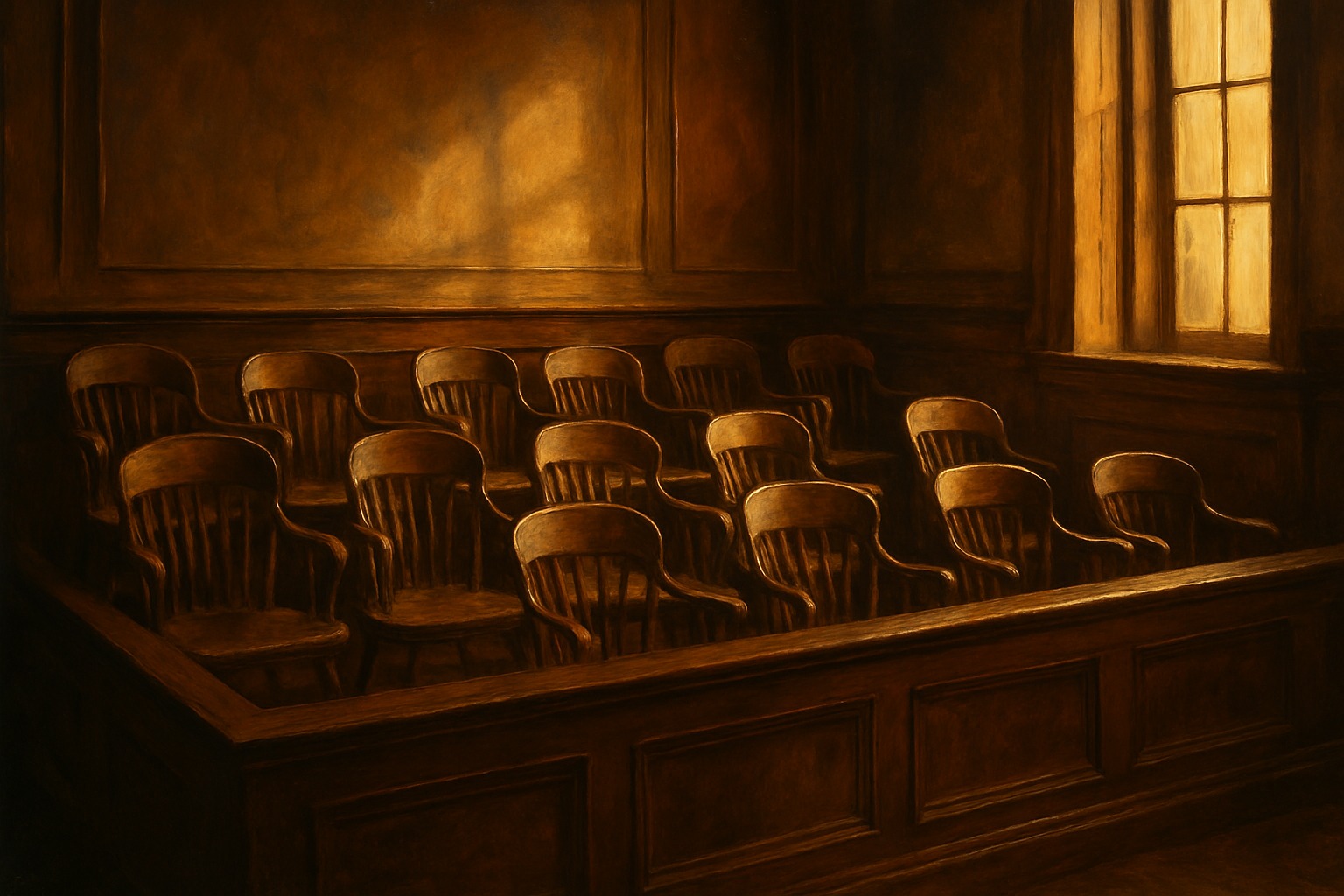
The Sixth Amendment sets the terms of a fair criminal trial. It guarantees the accused a speedy and public trial by an impartial jury, the right to be informed of the charges, to confront the witnesses against them, to compel witnesses in their favor, and to have the assistance of counsel for their defense. Where the Fifth Amendment protects a suspect during investigation, the Sixth governs what happens once the state brings a person to trial.
The right to counsel has traveled the farthest. For much of American history it meant only that a defendant could hire a lawyer if they could afford one. That changed in Gideon v. Wainwright (1963), when the Supreme Court held that states must provide an attorney to defendants too poor to hire one — a ruling built on a handwritten petition from a Florida prisoner, Clarence Earl Gideon, and now the foundation of the nation's public-defender system.
The amendment's other clauses shape trials in quieter but constant ways. The confrontation clause gives defendants the right to cross-examine their accusers face to face, limiting the use of out-of-court statements. The speedy-trial guarantee bars the government from letting charges hang indefinitely over a defendant's head. And the promise of an impartial jury drawn from the community remains one of the most distinctive features of the American criminal system — the citizen check on the power to convict.

| Part of | Bill of Rights |
| Ratified | December 15, 1791 |
| Guarantees | Speedy public trial, impartial jury, confrontation, counsel |
| Landmark case | Gideon v. Wainwright (1963) |
| Legacy | The public-defender system |
| Date | Ratified December 15, 1791 |