Judicial Review
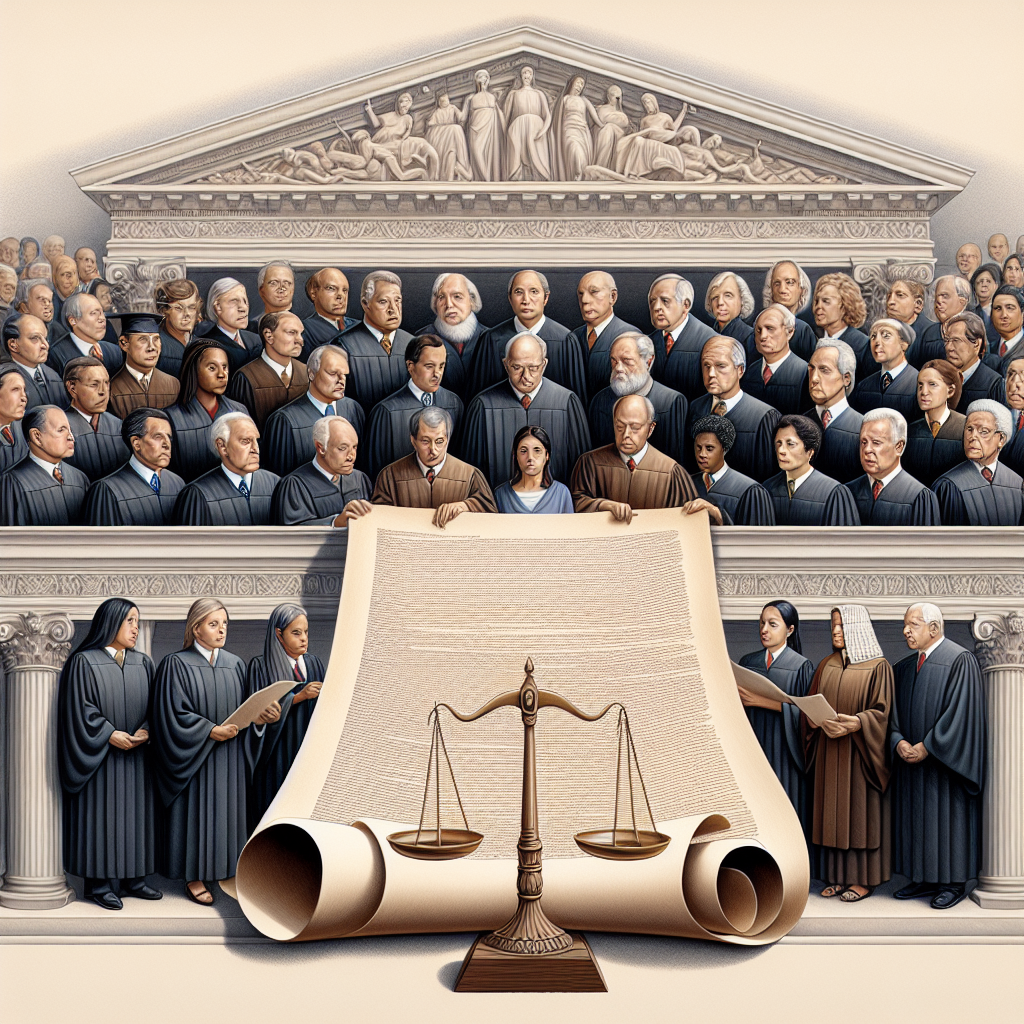
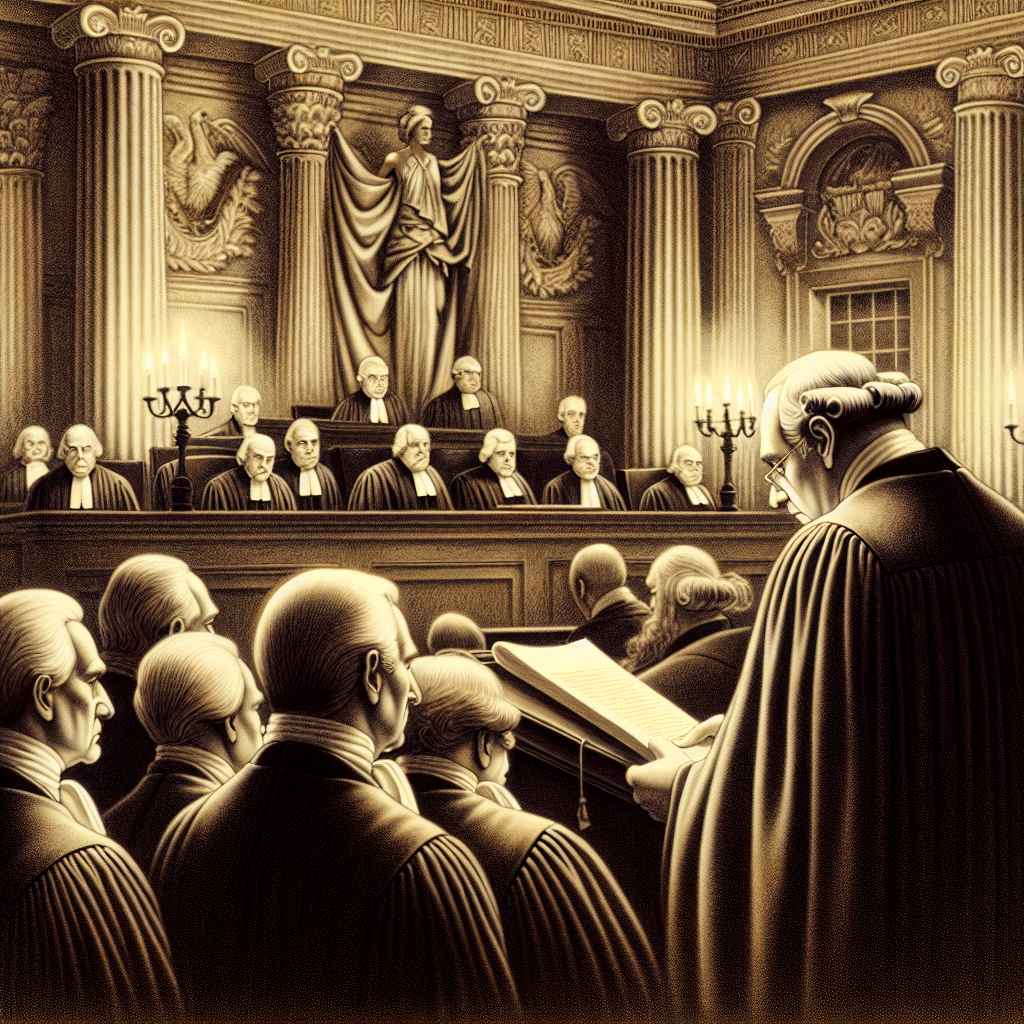
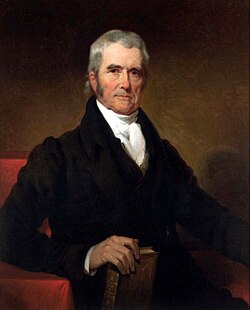
Judicial review — the authority of federal courts to declare acts of Congress or the executive branch unconstitutional and void — is not mentioned anywhere in the Constitution. It was established by practice, specifically by Chief Justice John Marshall's ruling in Marbury v. Madison (1803), and has been the foundational operating principle of American constitutional government ever since. The idea that an unelected court could strike down the democratically enacted laws of Congress was controversial in 1803 and has never entirely ceased to be, but it has proven durable enough to survive 200 years of political pressure from all directions.
The logic of judicial review rests on the Constitution's status as supreme law. If the Constitution is the highest law and an act of Congress conflicts with it, something must give — and Marshall argued that it must be the act of Congress, not the Constitution. The court that interprets laws must also interpret the Constitution, and where the two conflict, the Constitution must prevail. This reasoning, which seems straightforward today, was genuinely contested in the founding era: Jefferson and Madison had argued in the Kentucky and Virginia Resolutions that states, not courts, were the ultimate arbiters of constitutional questions.
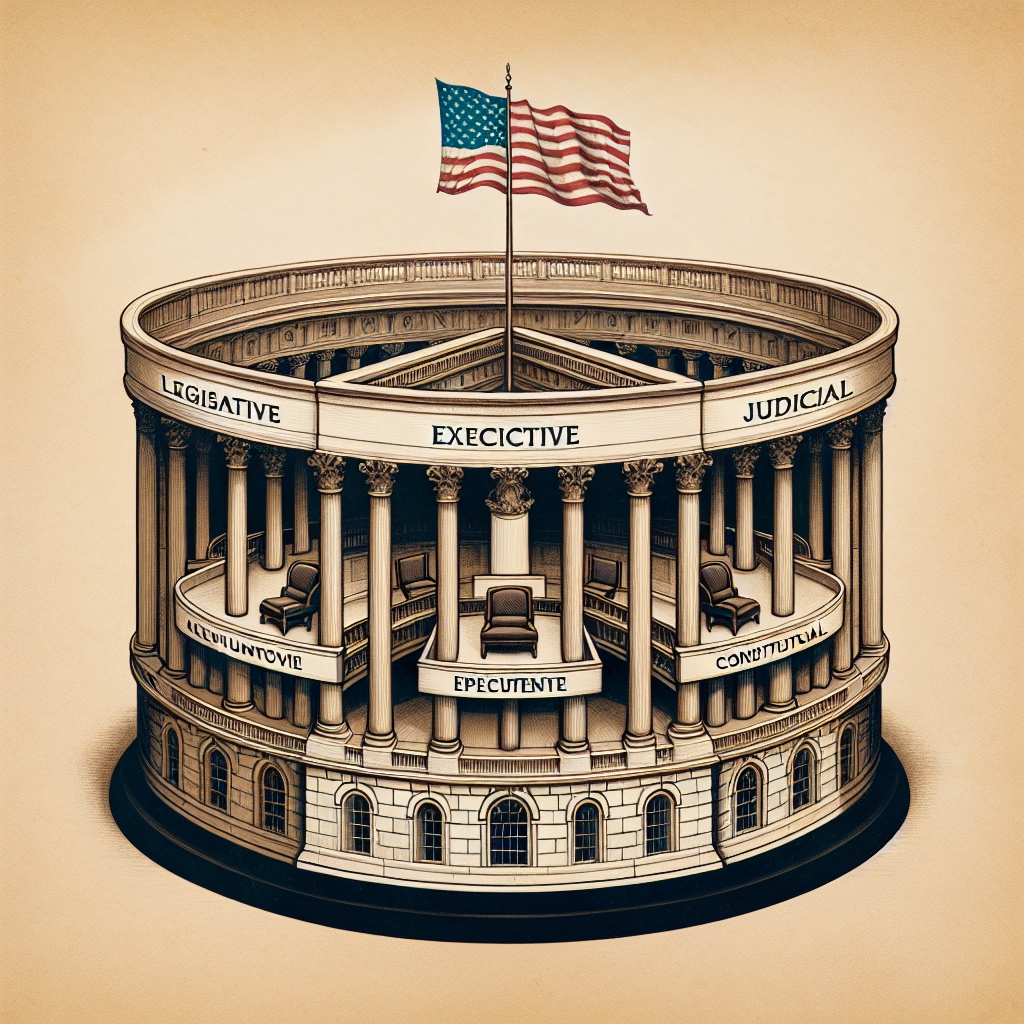
Judicial review operates differently at different levels of government. Federal courts can strike down state laws as well as federal ones — a power exercised extensively during the civil rights era to overturn segregation statutes. The Supreme Court's authority is final but not unchecked: Congress can propose constitutional amendments to override rulings, pack or restructure the Court, or strip it of jurisdiction over certain subjects. Presidents appoint justices who share their constitutional philosophy, and the Court's direction shifts with those appointments over decades. The system is less a clean separation of powers than a ongoing negotiation about who gets the last word.

| Established by | Marbury v. Madison, 1803 |
| Established by whom | Chief Justice John Marshall |
| Constitutional basis | Implied — not explicitly stated in the Constitution |
| Applies to | Federal and state laws; executive actions |
| Limits | Constitutional amendments; court-packing; jurisdiction stripping |
| Key concept | Constitution as supreme law — conflicts resolved in its favor |
| Years | 1803 |
| Location | Washington, D.C. |