The Corwin Amendment
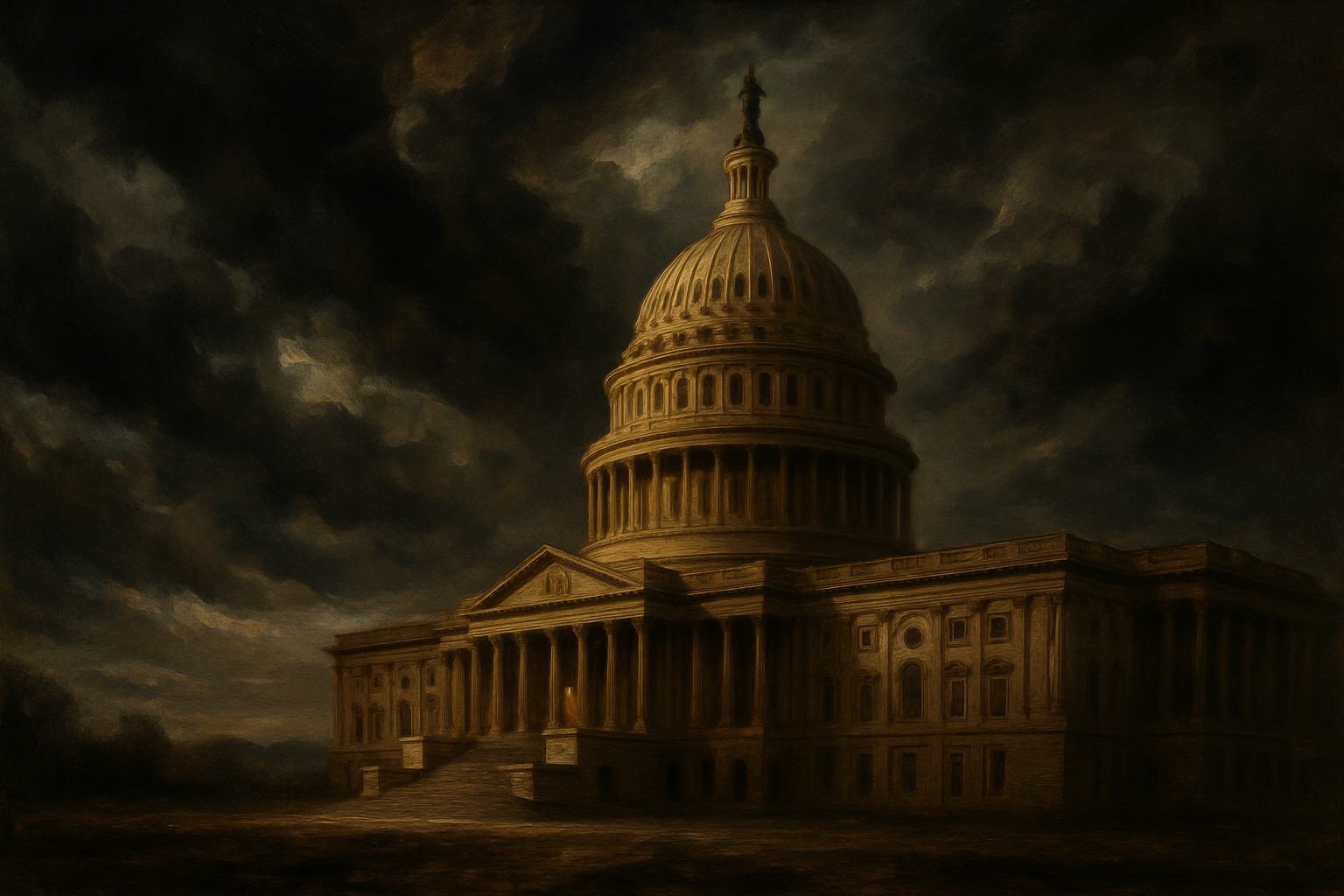
The Corwin Amendment is the constitutional amendment history nearly took but did not. Passed by Congress in the last days before the Civil War, in March 1861, it would have barred the federal government from ever interfering with slavery in the states where it existed. Had it been ratified, it would have become the Thirteenth Amendment — the opposite, in spirit and letter, of the Thirteenth Amendment the nation actually adopted four years later to abolish slavery.
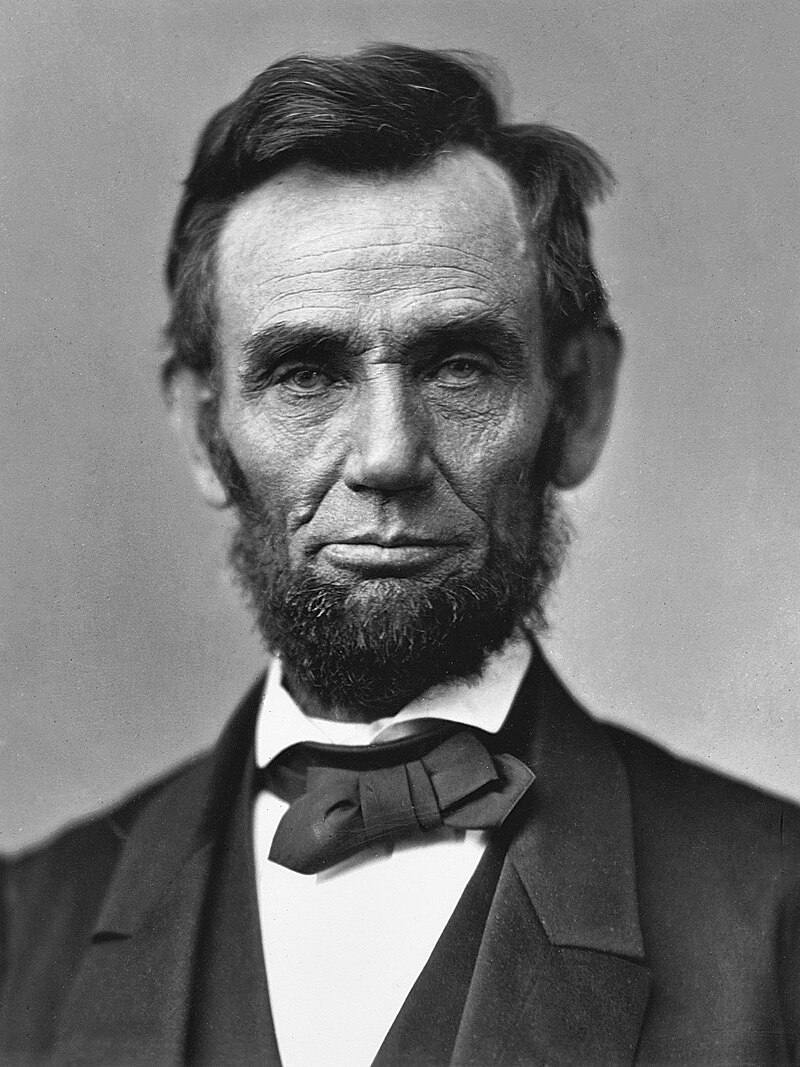
It was a desperate bid to hold the Union together. As Southern states seceded following Abraham Lincoln's election, Congress reached for a compromise that might keep the upper South from leaving. Named for Ohio representative Thomas Corwin, the amendment sought to reassure slaveholding states that Washington had no intention of touching their central institution. Outgoing president James Buchanan signed it, and Lincoln, in his first inaugural address, said he had no objection to its becoming explicit and irrevocable constitutional law.
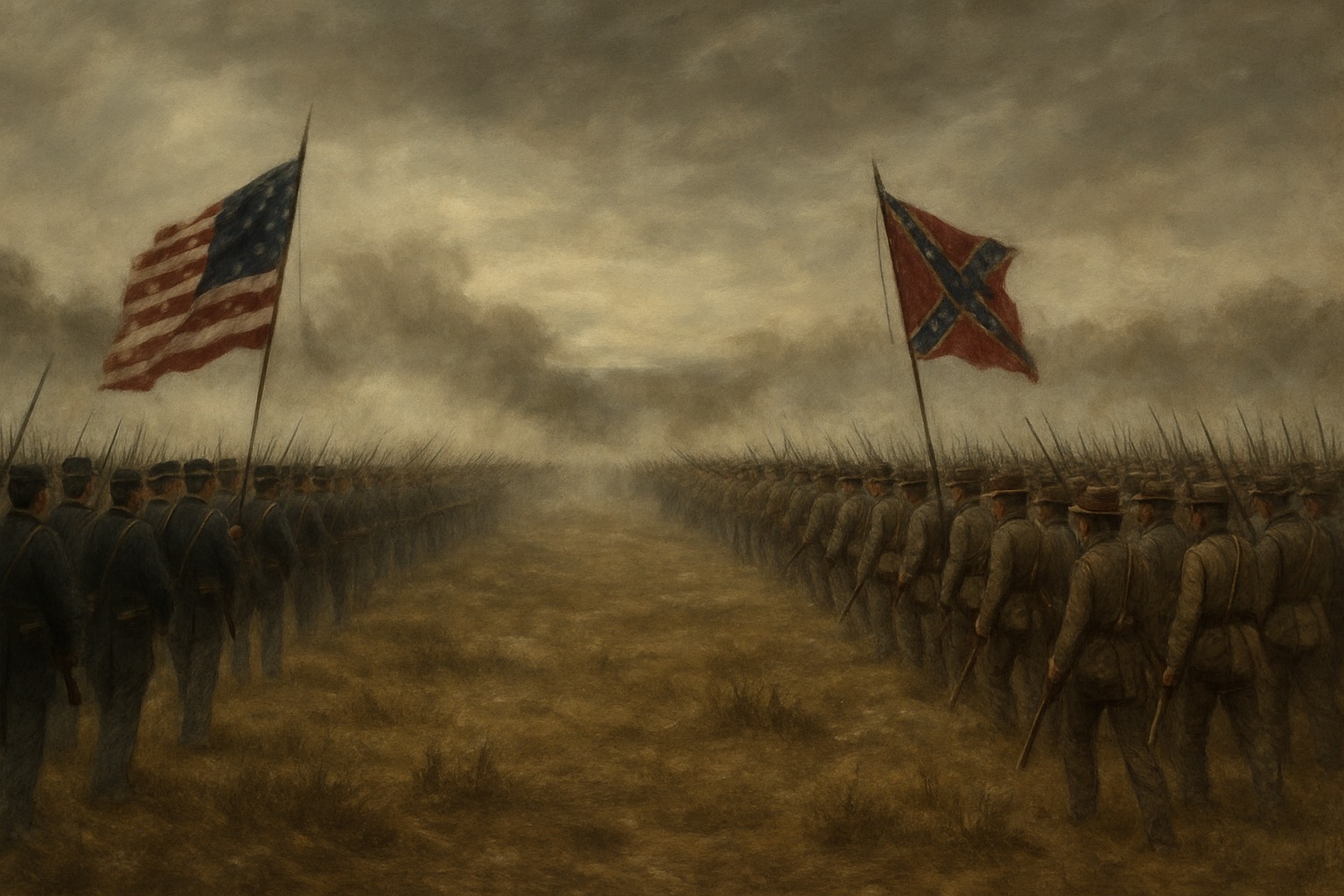
Events overtook it within weeks. The firing on Fort Sumter in April 1861 ended any hope of compromise, and the war made the amendment moot. Only a handful of states ratified it before the Union's war aims shifted toward emancipation. The Corwin Amendment was never adopted, and it survives as a startling reminder of how close the country came to enshrining slavery in the Constitution rather than abolishing it — and as a measure of how far the war would move the nation in just four years.

| Proposed | March 2, 1861 |
| Sponsor | Rep. Thomas Corwin of Ohio |
| Would have | Barred federal interference with slavery in the states |
| Status | Never ratified — rendered moot by the Civil War |
| Irony | Would have been the Thirteenth Amendment |
| Date | Passed by Congress March 2, 1861 (never ratified) |