Separation of Powers
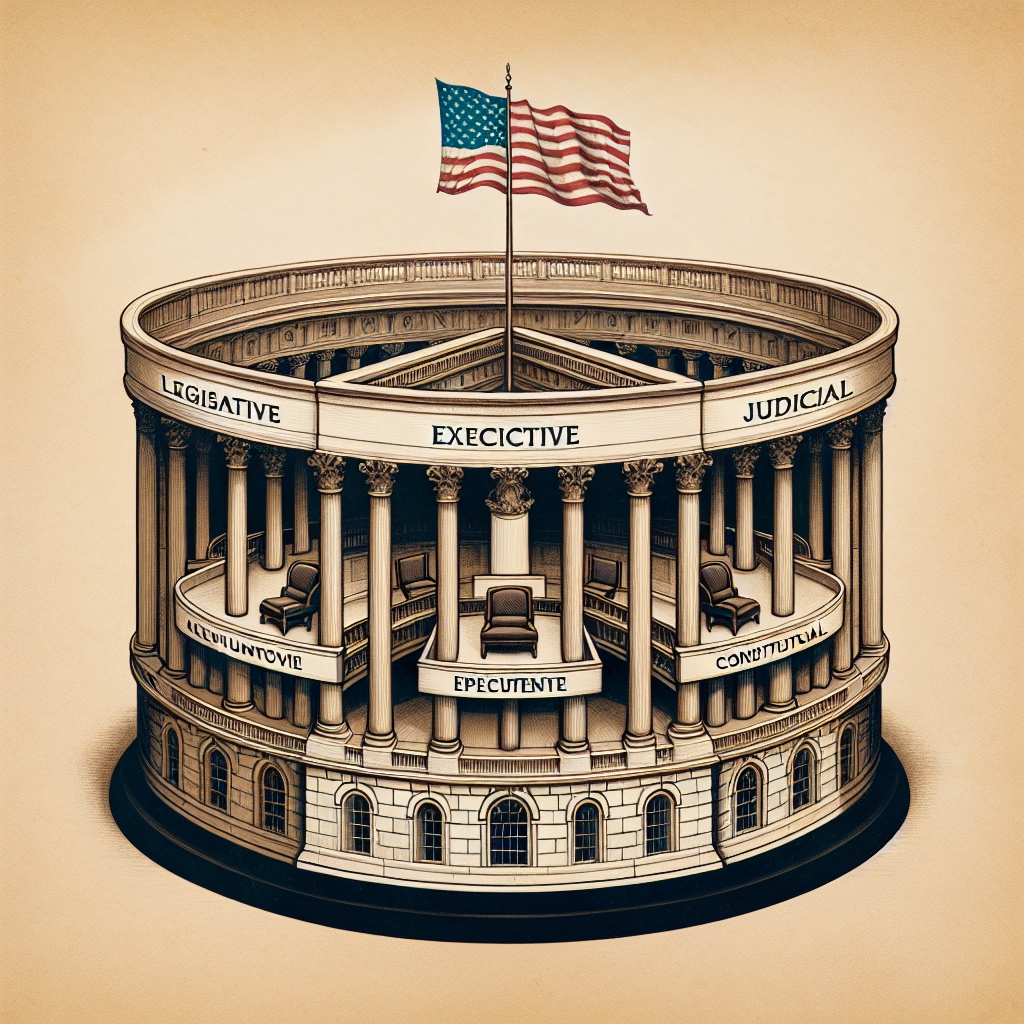
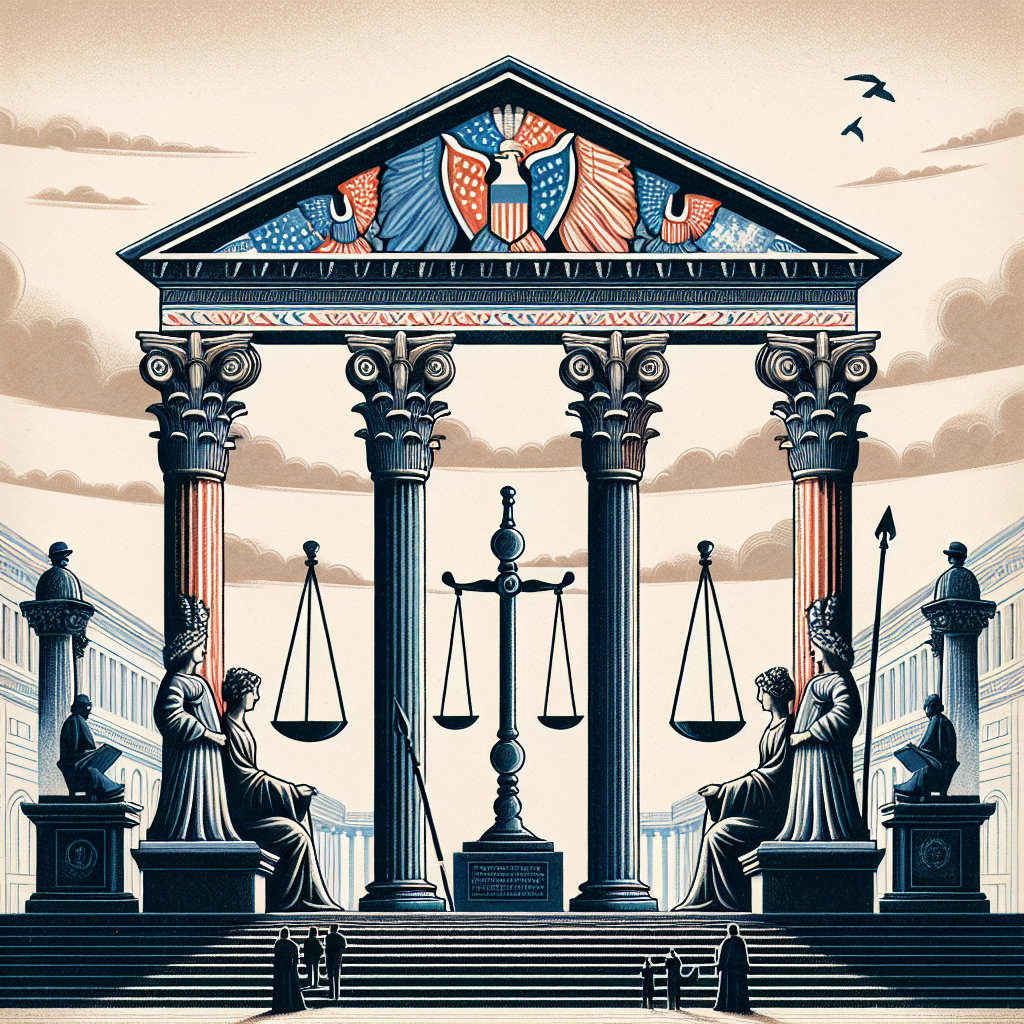
Separation of powers is the constitutional principle that legislative, executive, and judicial authority should be held by distinct and independent institutions rather than concentrated in any single person or body. The framers encoded it into the architecture of the Constitution — Article I vests all legislative power in Congress, Article II vests executive power in the president, Article III vests judicial power in the Supreme Court and inferior courts — while deliberately leaving the boundaries between those domains subject to ongoing interpretation. The principle does not appear in the Constitution by name, but it is the document's organizing logic.
In practice, the American separation of powers has never been a clean division. The president proposes legislation, appoints judges, and issues executive orders that carry the force of law. The Senate confirms or rejects executive and judicial appointments. Courts interpret statutes enacted by Congress and executive orders issued by presidents. The framers understood this overlap and designed for it: the branches were meant to share powers in ways that required cooperation and created friction, not to operate in hermetically sealed domains. The goal was not efficiency but the prevention of tyranny.
The most consequential separations-of-powers crises in American history — the Civil War, Reconstruction, FDR's court-packing attempt, Watergate, post-9/11 executive power claims — have each revealed where the framers' design was ambiguous and forced a practical renegotiation of the boundaries. Congressional authority over war powers, presidential claims of executive privilege, and the scope of judicial review have all been tested and partially defined through conflict rather than text. The Constitution's silences have been as consequential as its words.

| Established | U.S. Constitution, 1787 — Articles I, II, and III |
| Intellectual source | Montesquieu, Spirit of the Laws (1748) |
| Three branches | Legislative, Executive, Judicial |
| Key tension | Overlapping powers require cooperation and create friction |
| Major tests | Civil War, court-packing (1937), Watergate, post-9/11 powers |
| Companion concept | Checks and Balances |
| Years | 1787 |
| Location | Philadelphia, Pennsylvania |