Twenty-fourth Amendment
The Twenty-fourth Amendment, ratified in 1964, banned the poll tax — a fee charged as a condition of voting — in federal elections. Its single operative sentence declared that the right to vote shall not be denied or abridged by the United States or any state by reason of failure to pay any poll tax or other tax.
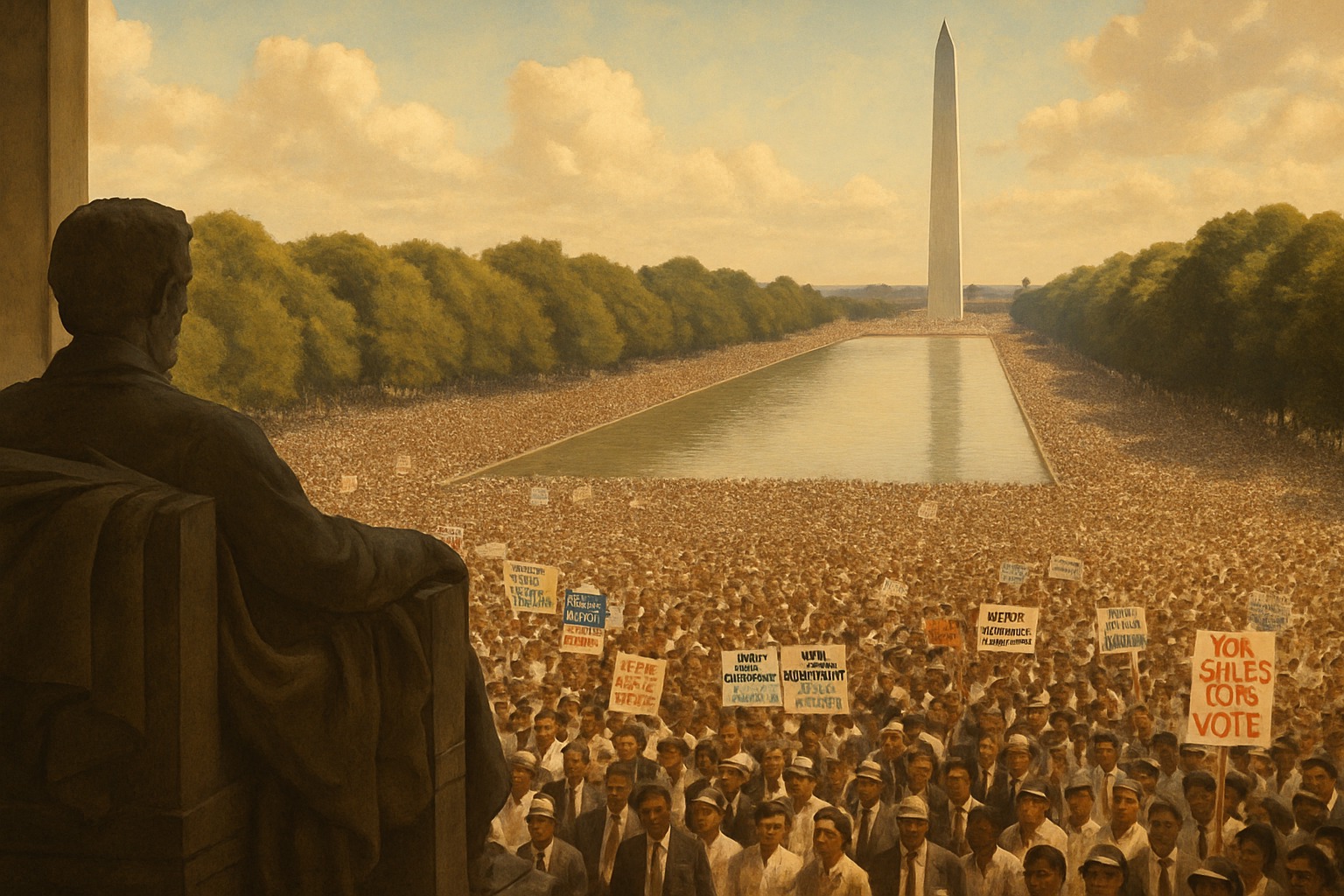
Poll taxes had been a central tool of disenfranchisement across the South since the end of Reconstruction, used alongside literacy tests and grandfather clauses to keep Black citizens — and many poor whites — away from the ballot box. By 1964 five Southern states still imposed them. The amendment, a product of the civil rights movement's legislative momentum, struck the practice from federal elections and marked a constitutional victory in the broader campaign for voting rights.
Two years later the Supreme Court finished the job. In Harper v. Virginia Board of Elections (1966), the Court held that poll taxes in state elections also violated the Fourteenth Amendment's equal protection clause, extending the ban to every level of government. Together the amendment and the ruling closed off one of the oldest mechanisms Americans had used to price the poor and the Black out of the vote.

| Ratified | January 23, 1964 |
| Abolished | Poll taxes in federal elections |
| Context | The civil rights movement |
| States affected | Five Southern states still charged them |
| Completed by | Harper v. Virginia Board of Elections (1966) |
| Date | Ratified January 23, 1964 |