Equal Rights Amendment
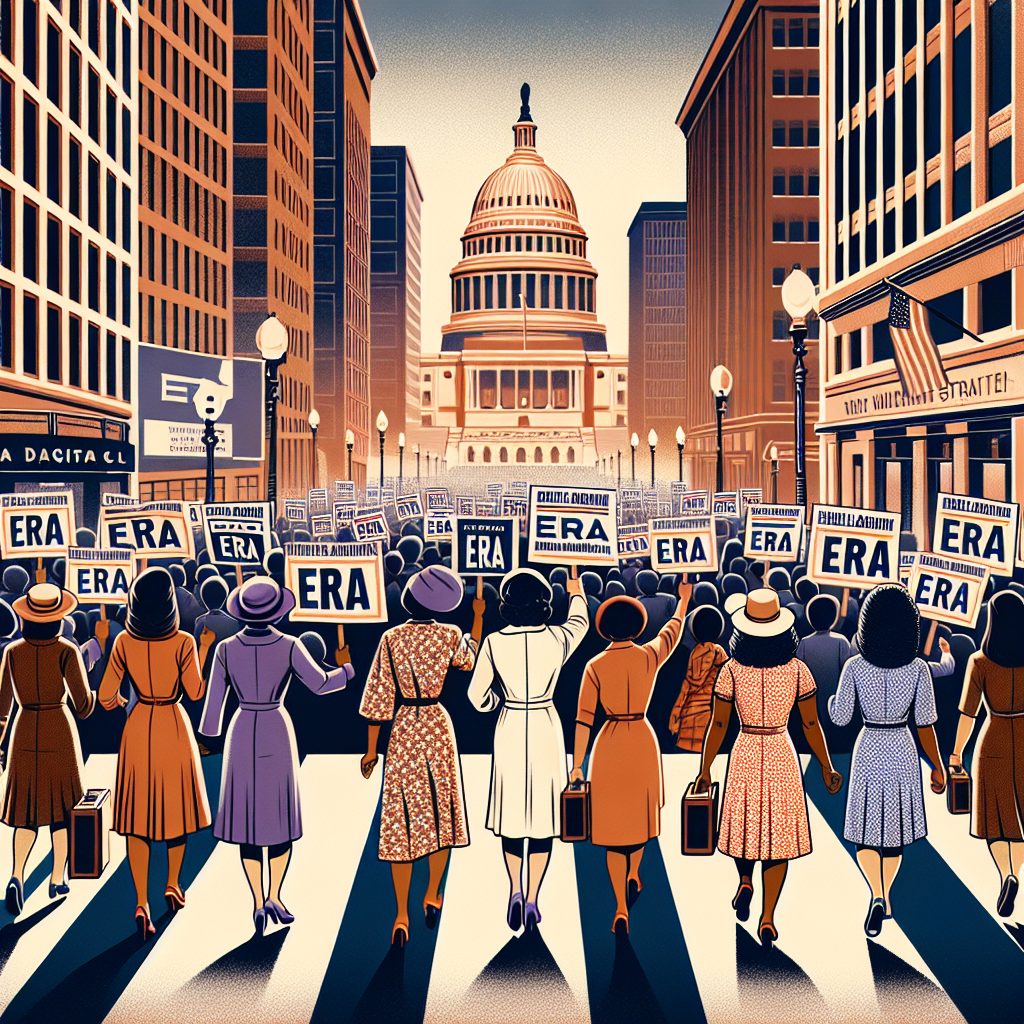
"Equality of rights under the law shall not be denied or abridged by the United States or by any state on account of sex." First proposed by suffragist Alice Paul in 1923 — three years after the Nineteenth Amendment secured women's right to vote — the Equal Rights Amendment has been introduced in every session of Congress for a century. It passed Congress in 1972 and was sent to the states with a seven-year ratification deadline, fell three states short when the deadline expired in 1982, and remains, depending on one's reading of constitutional law, either permanently defeated or theoretically alive — its legal status genuinely unresolved.
The ERA's path through the 1970s traced the fault lines of American feminism and social conservatism simultaneously. By 1977, 35 of the required 38 states had ratified it, and passage seemed close to inevitable. Then Phyllis Schlafly's STOP ERA campaign — arguing that the amendment would eliminate protections for women, mandate military conscription for women, and undermine traditional family structures — achieved one of the most remarkable reversals in American political history, stopping the amendment in its tracks and turning "women's rights" into a contested rather than consensual concept.
Nevada, Illinois, and Virginia ratified the ERA in 2017, 2018, and 2020 respectively, bringing the total to 38 — the number required. Whether those ratifications count, given the expired deadline, has been the subject of ongoing litigation. The Justice Department under different administrations has taken different positions. Supporters argue that the amendment is now legally ratified and should be recognized as the 28th Amendment; opponents argue the deadline was constitutionally binding. Congress has repeatedly considered legislation to remove the deadline. The question remains open.
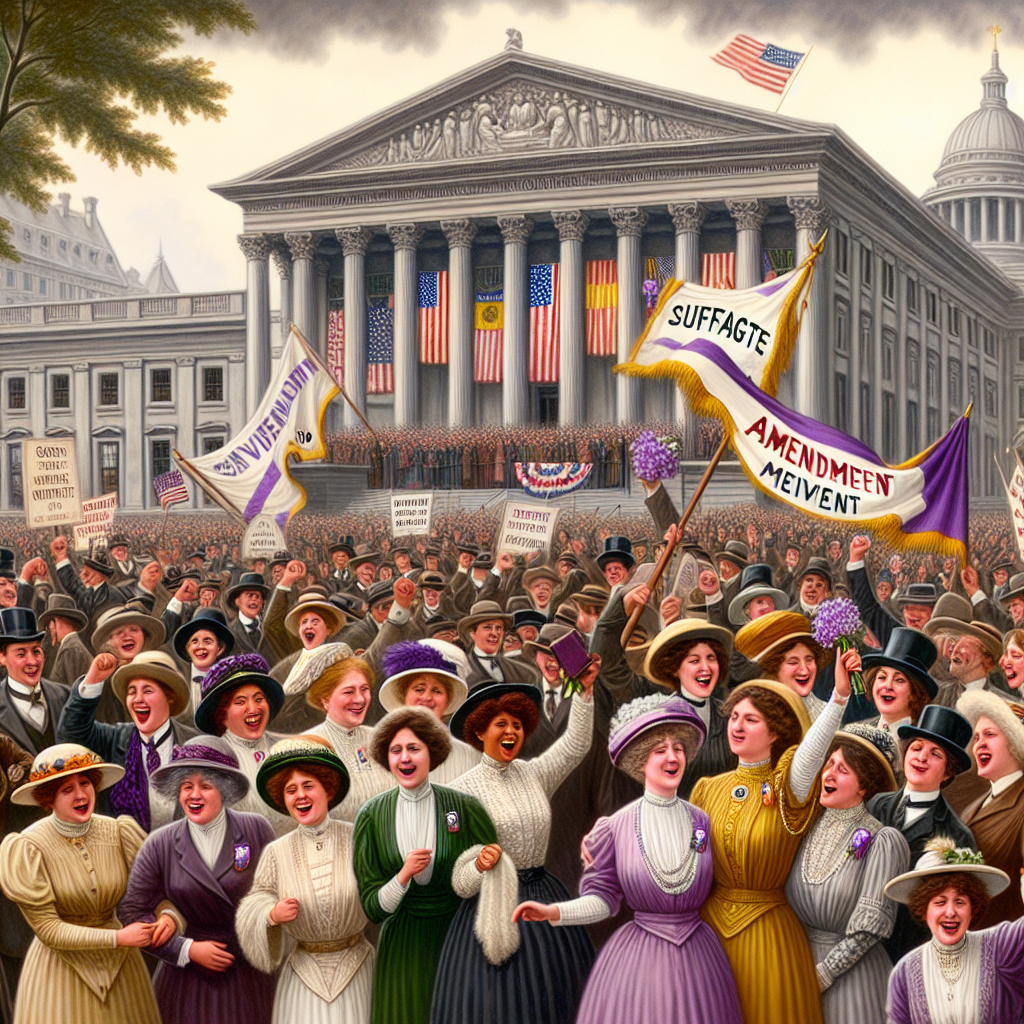



| First Proposed | 1923, by Alice Paul |
| Passed Congress | March 22, 1972 |
| Original Deadline | Seven years (1979, extended to 1982) |
| Ratified by | 38 states (35 by 1977; Nevada 2017, Illinois 2018, Virginia 2020) |
| Fell Short Originally | 3 states at 1982 deadline |
| Text | "Equality of rights under the law shall not be denied or abridged… on account of sex" |
| Date | Proposed 1923; passed Congress March 22, 1972 |
| Location | Washington, D.C. |