Seventeenth Amendment
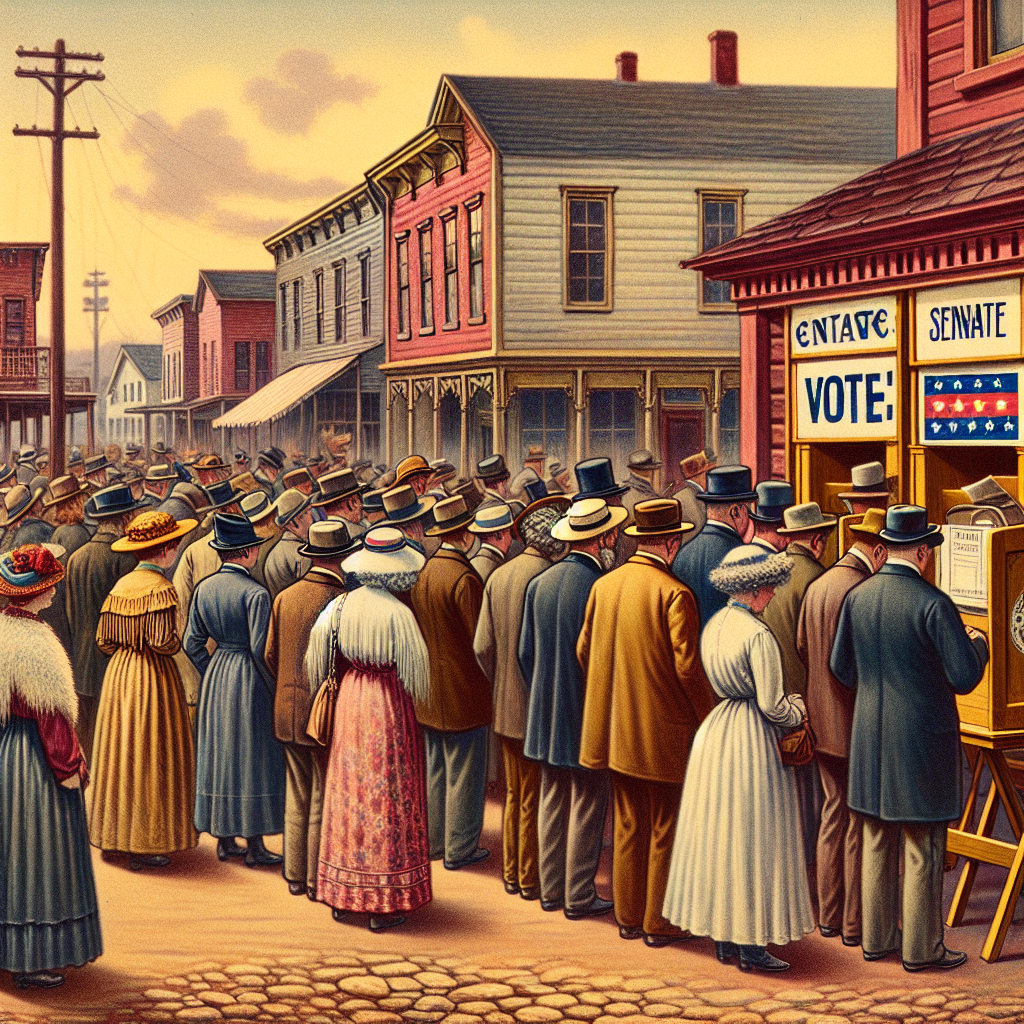
For the first 125 years of the American republic, U.S. senators were not elected by voters — they were chosen by state legislatures. The framers had designed it that way deliberately, envisioning the Senate as a deliberative check insulated from popular passion. What they had not fully anticipated was the spectacular corruption the system would generate. By the late nineteenth century, state legislative chambers had become auction houses where Senate seats were openly traded for cash, patronage, and business favors. The Seventeenth Amendment, ratified April 8, 1913, ended the practice by establishing direct popular election of senators.
The amendment's passage followed decades of legislative deadlock; the Senate itself repeatedly blocked reform, since senators were the direct beneficiaries of the existing system. The breakthrough came through public pressure that made state-level obstruction politically untenable, combined with the Progressive Era conviction that democratic accountability was the cure for institutional corruption. Muckraking journalism — particularly David Graham Phillips's 1906 series "The Treason of the Senate," which named names and detailed arrangements — had poisoned the old system's legitimacy beyond recovery.
The Seventeenth Amendment remains one of the more contested structural reforms in American history. Its critics — then and now — argue that it destroyed the Senate's intended role as a representative of state governments, undermined federalism, and made senators more responsive to national media and money than to the states they nominally represent. Its defenders point to the corruption it ended and the democratic legitimacy it conferred. The debate touches on fundamental questions about representation that the framers never fully resolved.


| Ratified | April 8, 1913 |
| Proposed by Congress | May 13, 1912 |
| Changed | Senate elections from state legislative appointment to direct popular vote |
| Key Catalyst | Muckraking journalism exposing Senate corruption, 1906–1912 |
| President at Ratification | Woodrow Wilson |
| Companion Reform | Sixteenth Amendment (same year) |
| Date | April 8, 1913 |
| Location | Washington, D.C. |