The Insular Cases
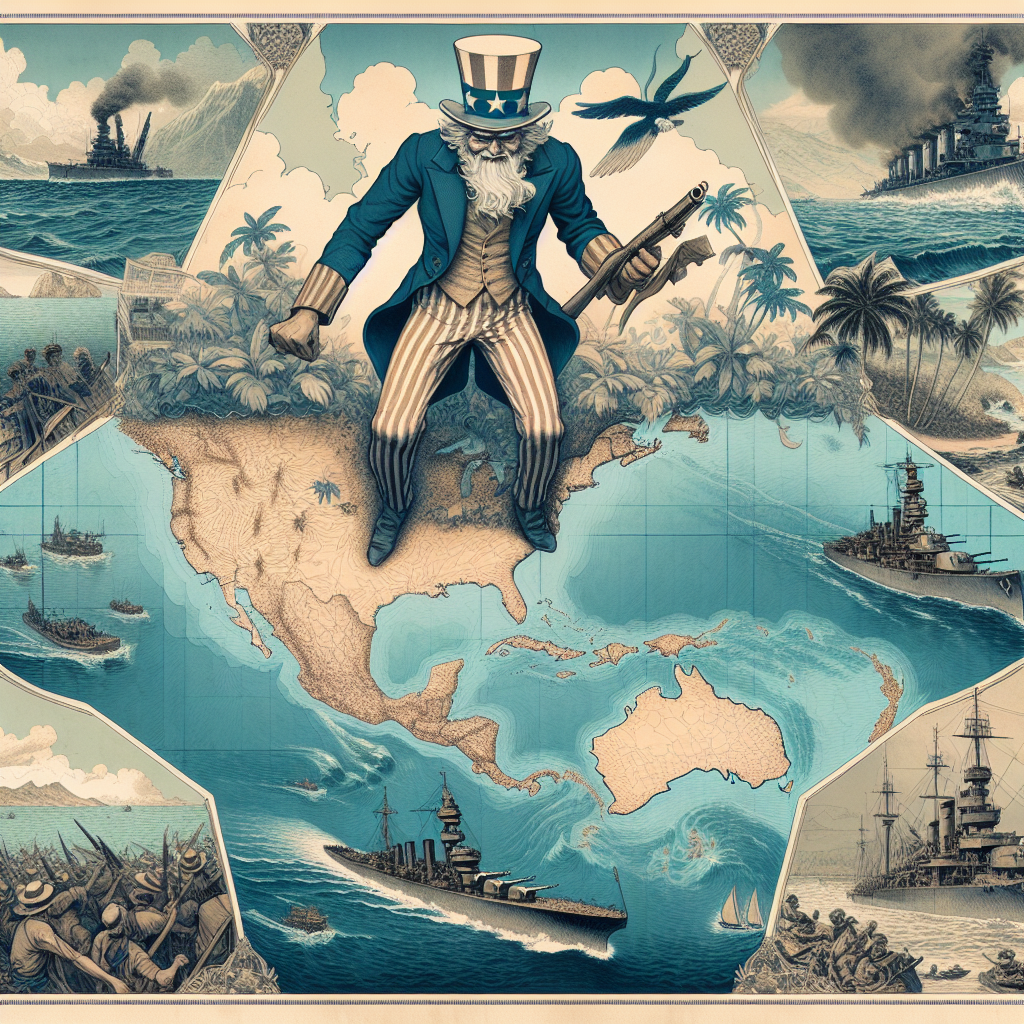
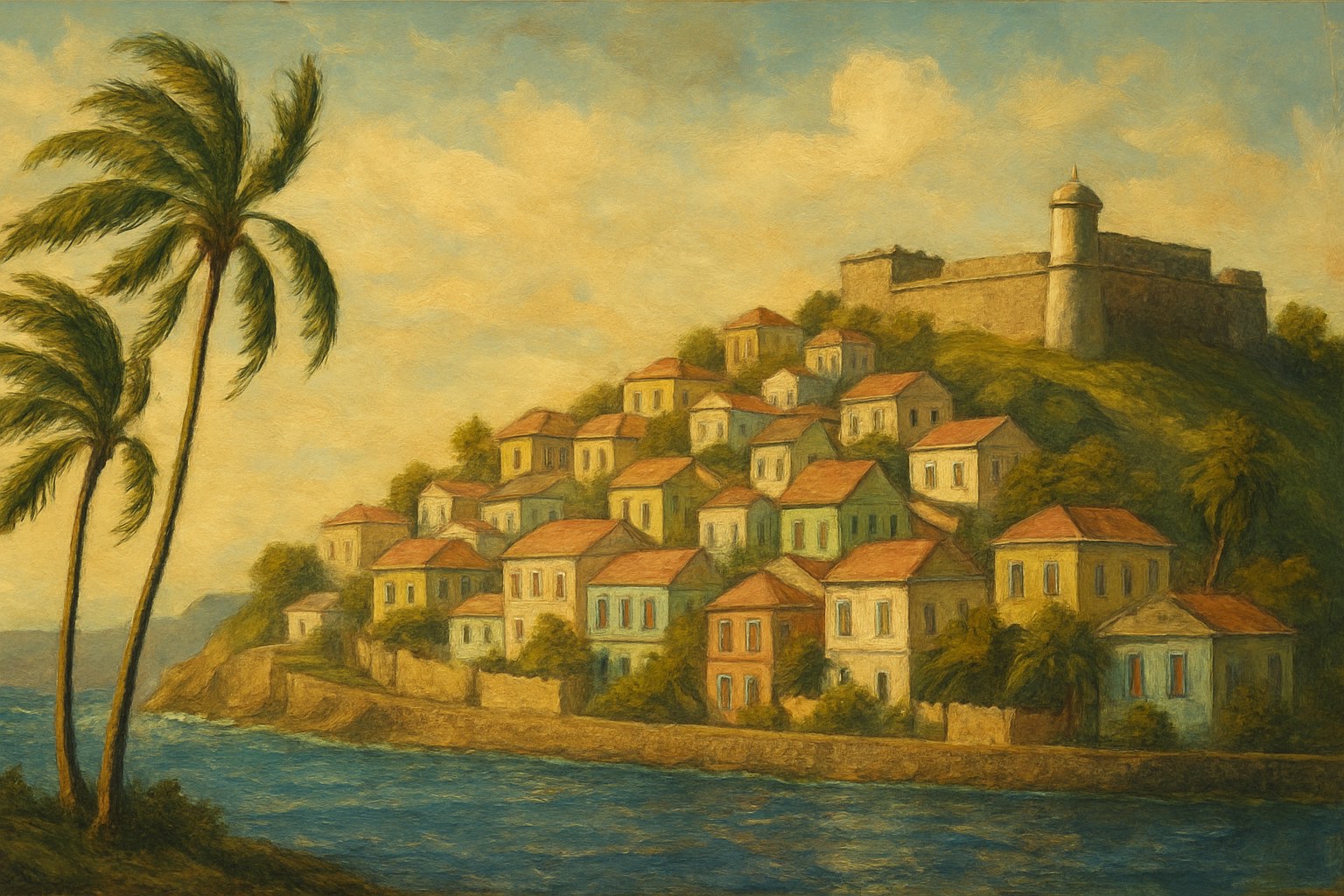
The question the country argued about in 1899 was put as a slogan: does the Constitution follow the flag? Having taken Puerto Rico, Guam, and the Philippines, Congress had to decide whether the people of those islands were entitled to trial by jury, to uniform tariffs, to citizenship — in short, whether the Constitution applied of its own force to territory the United States owned. The Supreme Court took the question up in a set of appeals argued in 1901 and known ever since as the Insular Cases. The lead case concerned a shipment of oranges.
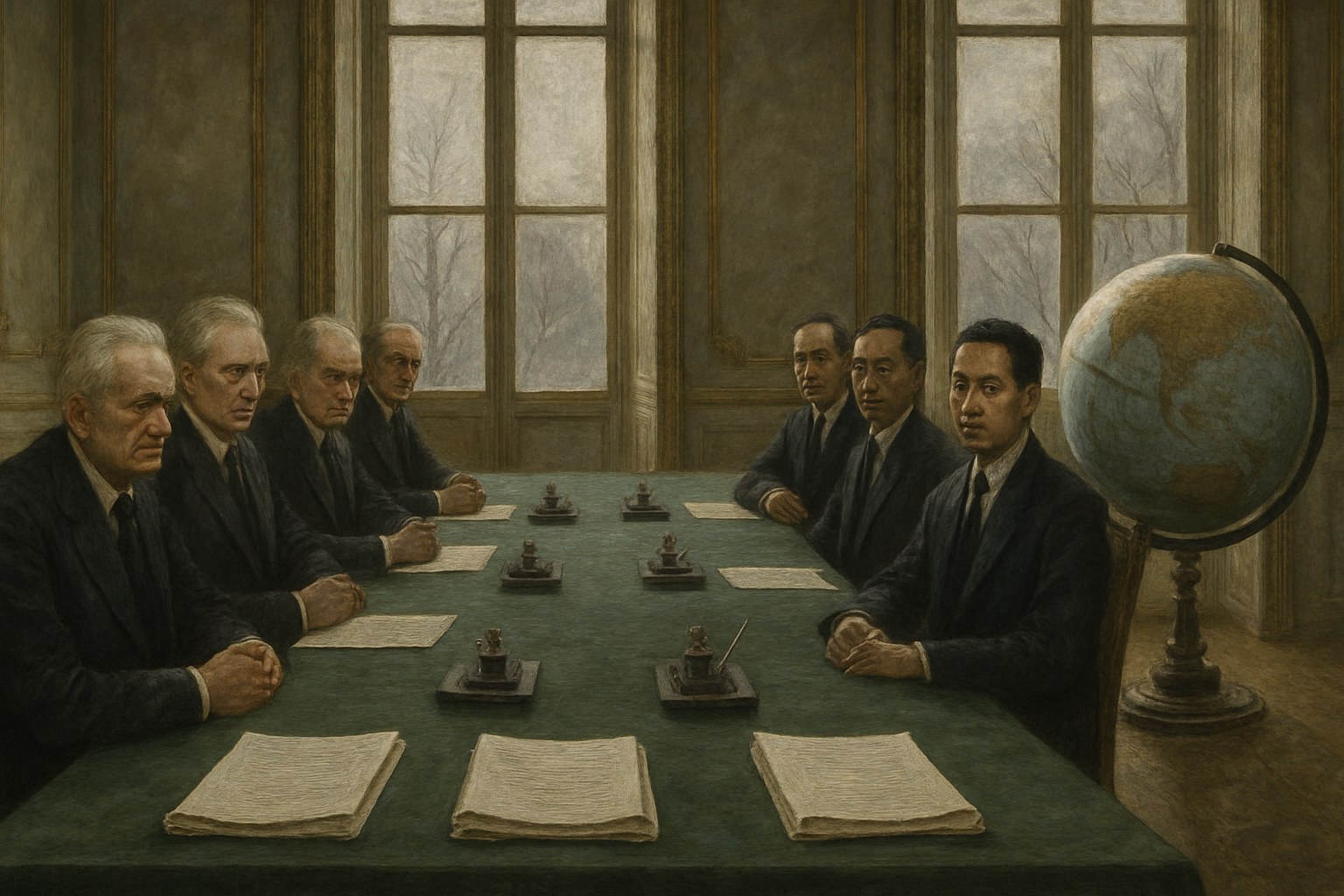
Samuel Downes had imported oranges from Puerto Rico into New York and been charged a duty. If the island were part of the United States, the Constitution's requirement that duties be uniform throughout the country forbade the charge. In Downes v. Bidwell, decided in May 1901, the Court upheld the duty five to four with no opinion commanding a majority. The lasting rule came from Justice Edward Douglass White's concurrence, which divided territories into two kinds. Incorporated territories were on the road to statehood and got the full Constitution. Unincorporated territories belonged to the United States without being part of it, and there only fundamental rights applied, with Congress deciding the rest.
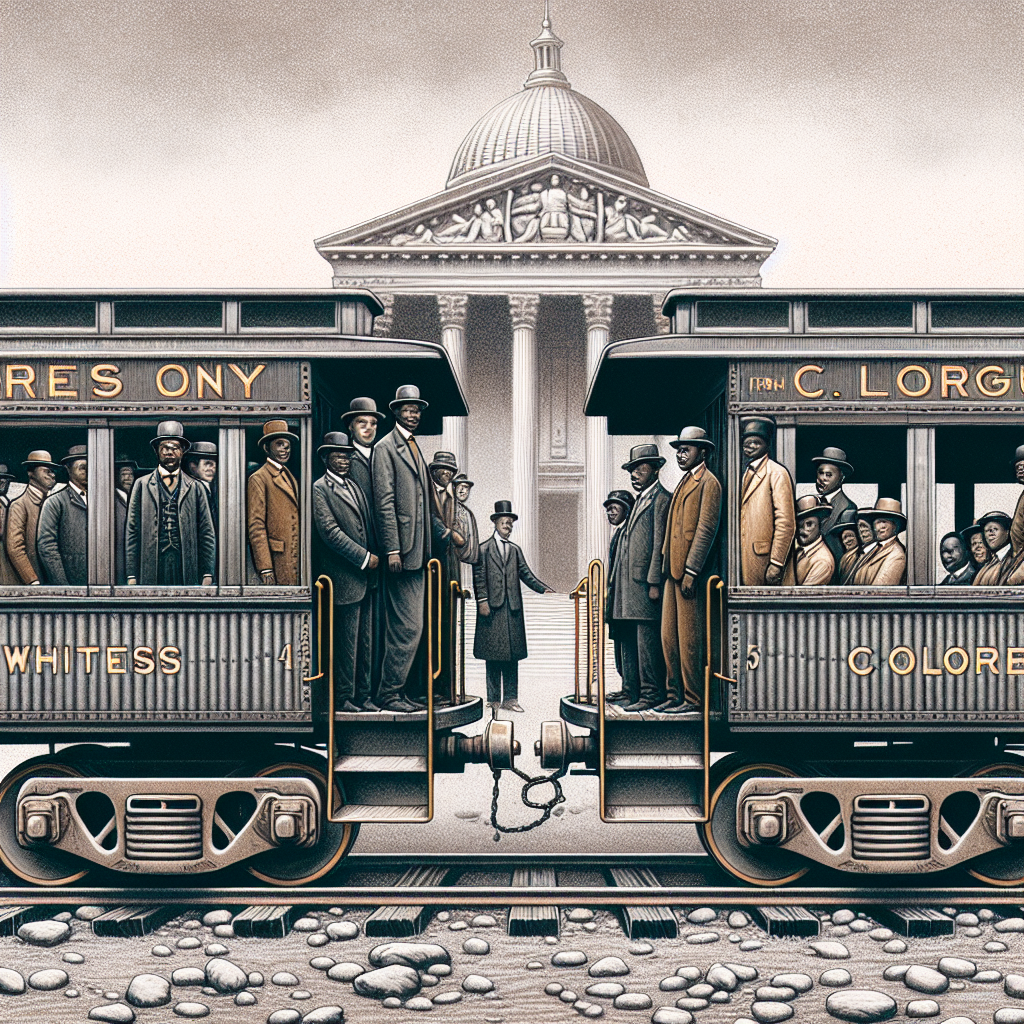
The Court adopted White's framework outright in Dorr v. United States in 1904 and applied it to citizenship in Balzac v. Porto Rico in 1922, holding that Puerto Ricans made citizens by the Jones Act still had no right to a jury trial. The opinions of the period were candid about their premises, warning of the danger of extending the Constitution to peoples of alien races differing in religion, customs, laws, and modes of thought. Several of the justices had joined Plessy v. Ferguson five years earlier, and critics read the two lines of cases as products of the same reasoning.
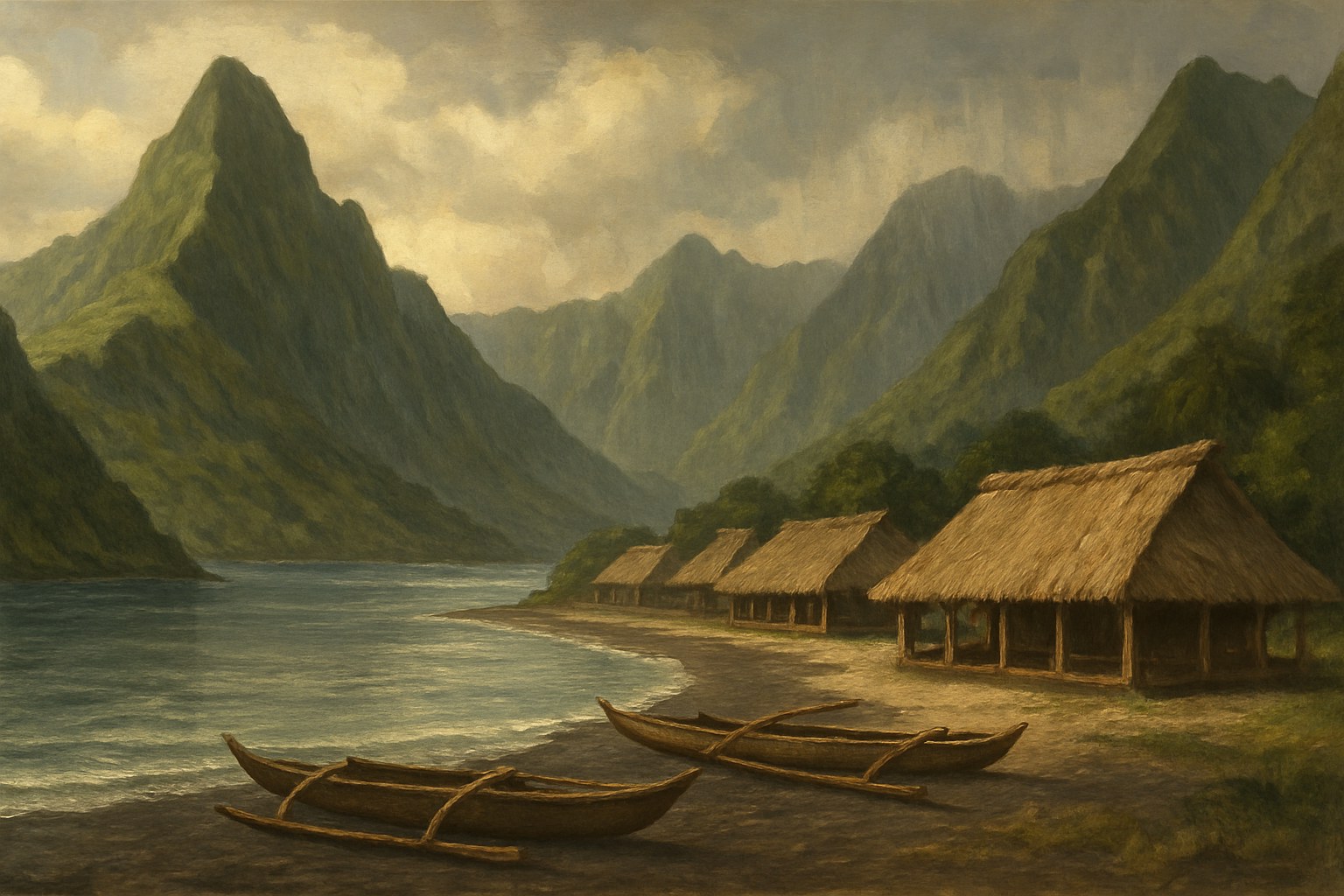
Defenders of the doctrine argue that it was the practical alternative to two choices Congress would not make — immediate statehood, or abandonment — and that it has since given territories such as American Samoa legal room to protect their own institutions. Elihu Root, who administered the new possessions, joked that the Constitution followed the flag but never quite caught up. The cases have never been overruled, and they still govern the constitutional position of roughly 3.6 million Americans. In United States v. Vaello Madero in 2022, Justice Neil Gorsuch wrote separately to say they rest on racial stereotypes rather than the Constitution and should be discarded. The Court has not yet taken up the invitation.
| Lead case | Downes v. Bidwell, decided May 27, 1901 |
| Vote | 5-4, with no majority opinion |
| Doctrine | Incorporated vs. unincorporated territories |
| Author | Justice Edward Douglass White, concurring |
| Extended | Balzac v. Porto Rico, 1922 — no jury-trial right |
| Status | Never overruled, criticized from the bench in 2022 |
| Date | 1901 onward |
| Location | Washington, D.C. |