Fourth Amendment

The Fourth Amendment protects the right of the people to be secure in their persons, houses, papers, and effects against unreasonable searches and seizures, and requires that warrants issue only on probable cause, supported by oath, and describing the place to be searched and the things to be seized. It is the constitutional wall between the individual and the investigative power of the state, and it generates more day-to-day litigation than almost any other clause in the Bill of Rights.
Its grievance was specific and colonial. British customs officers had used writs of assistance — open-ended search warrants that never expired and named no particular target — to hunt for smuggled goods in colonial homes and warehouses. In a famous 1761 Boston case, the lawyer James Otis argued for hours against the writs, and John Adams, listening in the courtroom, later wrote that then and there the child Independence was born. The amendment was written to make such general warrants impossible.
Two and a half centuries of case law have built an elaborate structure on those few words. The exclusionary rule, announced for federal courts in Weeks v. United States (1914) and extended to the states in Mapp v. Ohio (1961), bars illegally seized evidence from trial. Terry v. Ohio (1968) permitted brief stop-and-frisk searches on reasonable suspicion. And the digital age has forced the doctrine to stretch — in Riley v. California (2014) the Court held that police generally need a warrant to search a cell phone, and in Carpenter v. United States (2018) that they need one to obtain a suspect's cell-site location history.
The result is a body of law in constant motion, forever adapting an eighteenth-century promise about papers and effects to email, GPS data, and the surveillance capacities of the modern state. Few constitutional questions reach the Supreme Court more regularly, and few remain so unsettled.
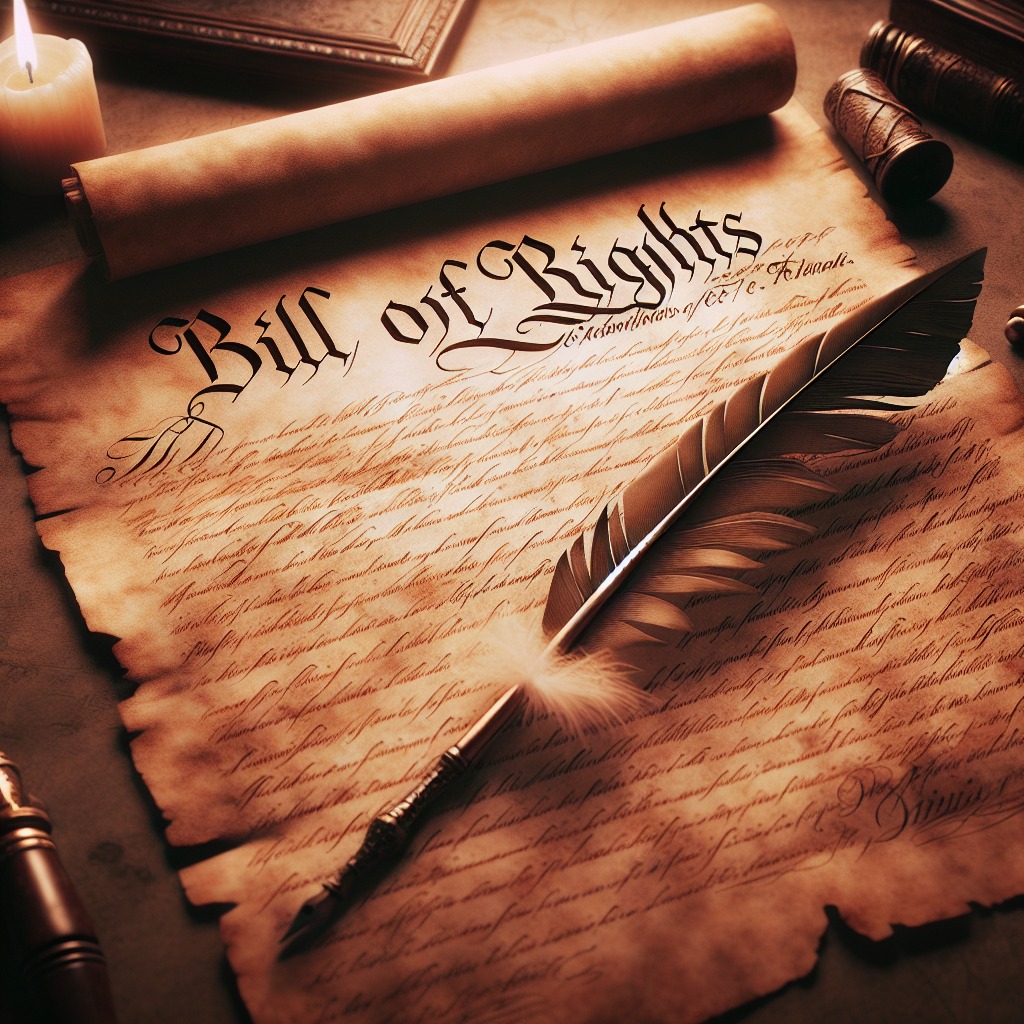
| Part of | Bill of Rights |
| Ratified | December 15, 1791 |
| Protects | Against unreasonable searches and seizures |
| Requires | Warrants based on probable cause |
| Origins | Colonial writs of assistance; James Otis case, 1761 |
| Key cases | Mapp v. Ohio (1961), Terry v. Ohio (1968), Carpenter v. United States (2018) |
| Date | Ratified December 15, 1791 |