Twenty-second Amendment
The Twenty-second Amendment, ratified in 1951, limits a president to two elected terms — or a maximum of ten years for someone who inherits the office partway through a predecessor's term. It wrote into the Constitution a restraint that had, until then, rested only on tradition.
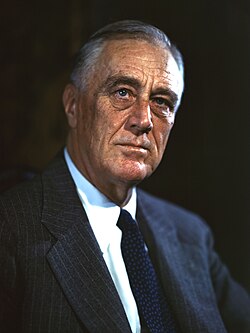
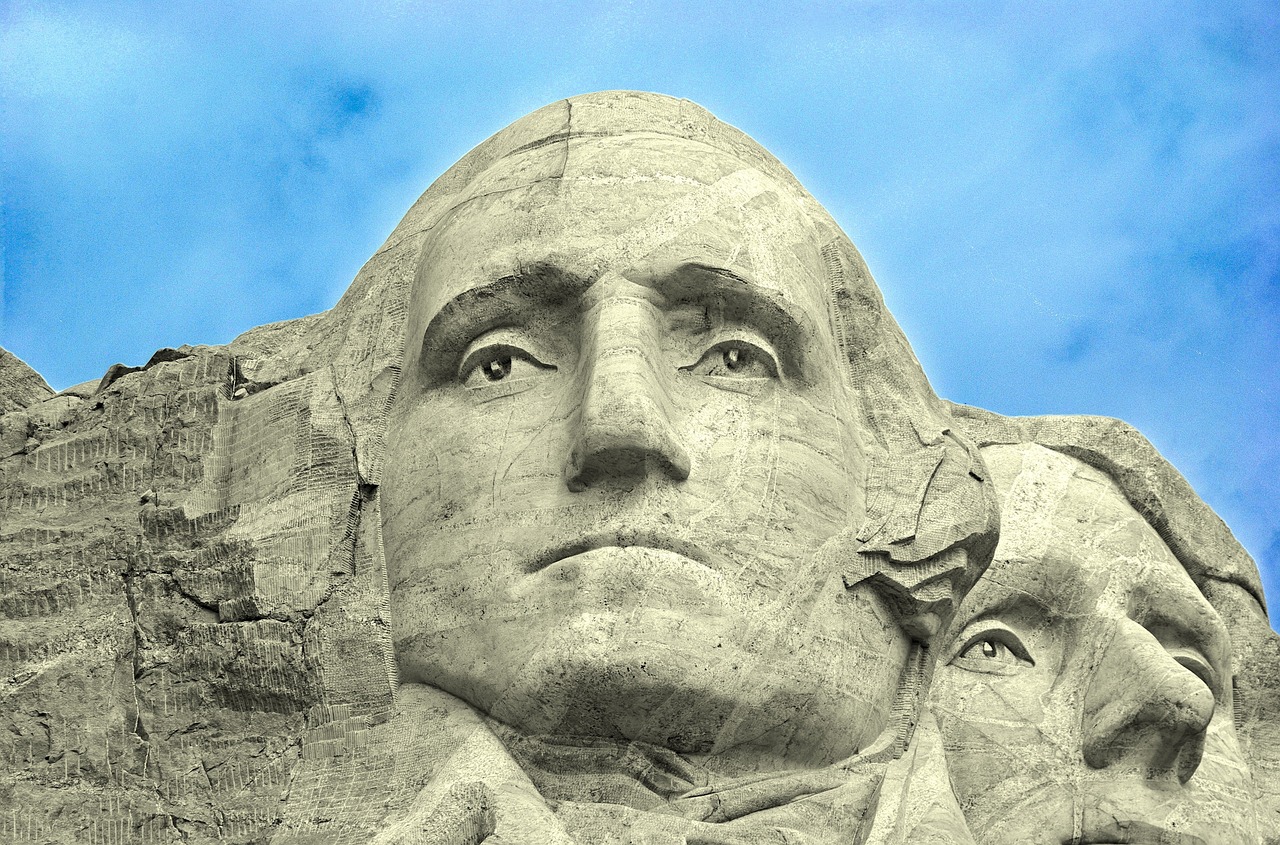
That tradition began with George Washington, who declined to seek a third term in 1796 and set an unwritten two-term norm that held for a century and a half. It broke with Franklin Roosevelt, who won four consecutive elections between 1932 and 1944, serving through the Depression and most of World War II before dying in office in 1945. Roosevelt's unprecedented tenure convinced many in Congress — especially Republicans returned to power in 1946 — that the limit should be law, not custom.
The amendment has since constrained several popular presidents who might otherwise have sought a third term, and it periodically draws calls for repeal from admirers of a sitting president. It also fixed the shape of the modern presidency: a two-term ceiling that makes every second-term president, by definition, a lame duck, and that channels ambition toward the fixed rhythm of an office no one may hold for more than a decade.

| Ratified | February 27, 1951 |
| Limits | Presidents to two elected terms (max 10 years) |
| Tradition broken by | Franklin D. Roosevelt (four terms) |
| Origin | Washington's two-term precedent |
| Effect | Codified a 150-year custom |
| Date | Ratified February 27, 1951 |