Twenty-First Amendment
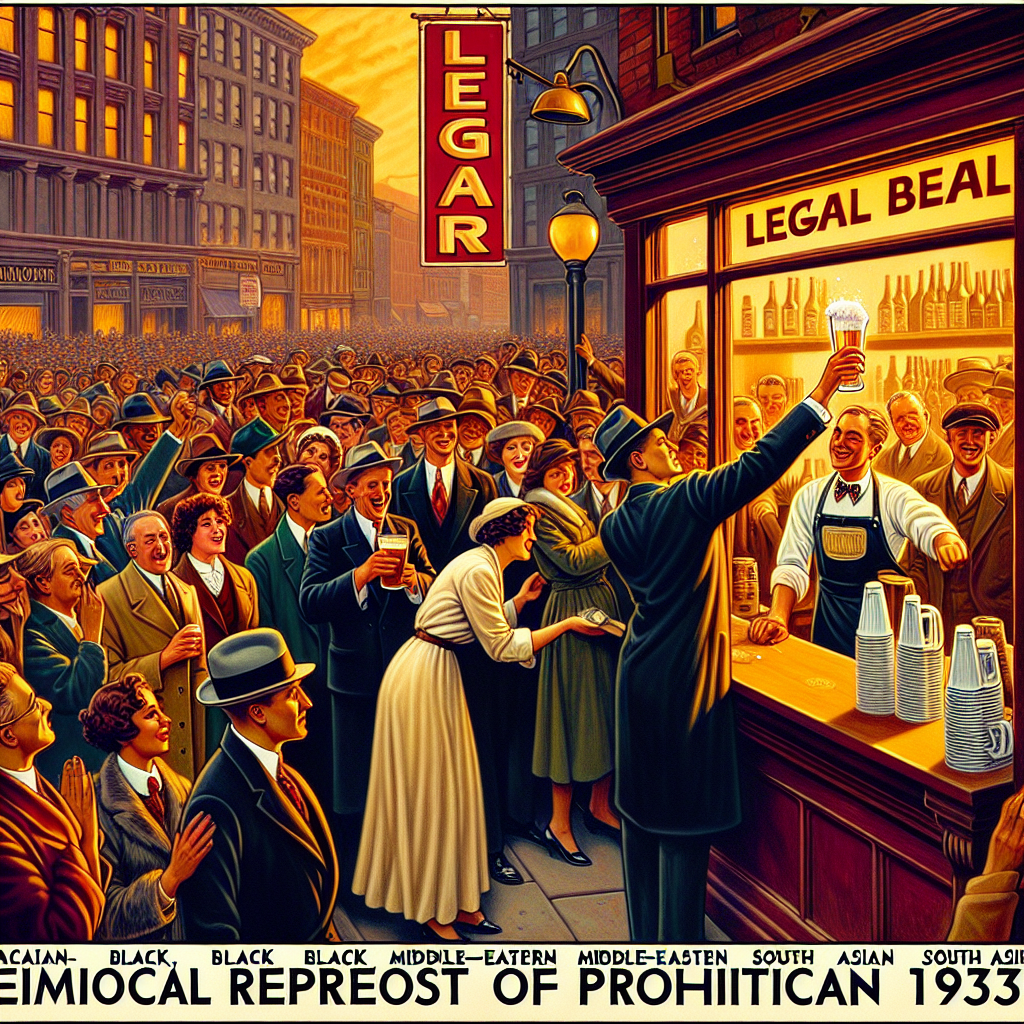
The Twenty-First Amendment to the U.S. Constitution, ratified on December 5, 1933, repealed Prohibition — ending 13 years and 10 months of the national ban on alcohol that the Eighteenth Amendment had imposed. It is the only amendment in American constitutional history enacted specifically to undo another. It was also ratified through state conventions rather than state legislatures — a deliberate choice by Congress, which correctly doubted that the rural-dominated legislatures that had passed Prohibition would vote to end it.
The political conditions for repeal had been building since the late 1920s, and the Depression transformed the economics of the argument decisively. A legal alcohol industry would generate urgently needed tax revenue, create hundreds of thousands of jobs, and redirect consumer spending away from criminal networks. Franklin Roosevelt ran partly on a repeal platform in 1932 and won. Congress proposed the amendment in February 1933; the requisite 36 states ratified it in under ten months — the fastest constitutional ratification in American history.
The amendment's second section reserved the right to regulate alcohol to individual states and localities, producing the patchwork of laws that still defines American alcohol commerce: dry counties, Sunday restrictions, state-controlled liquor stores, varying hours, and the legacy three-tier distribution system. Several hundred U.S. counties remained officially dry well into the 21st century, and the legal landscape of American alcohol — wildly inconsistent across state lines — reflects the Twenty-First Amendment's concession that Prohibition could end nationally without ending everywhere.
| Ratified | December 5, 1933 |
| Proposed | February 20, 1933 |
| Ratification Speed | Fastest of any U.S. constitutional amendment — under 10 months |
| Ratified Via | State conventions (not legislatures) — a constitutional first |
| Repealed | Eighteenth Amendment (Prohibition, 1919) |
| Section 2 | Preserved state and local authority to restrict alcohol |
| Political Context | FDR campaign promise; Depression-era tax revenue imperative |
| Date | Ratified December 5, 1933 |
| Location | Washington, D.C. |