Miranda v. Arizona

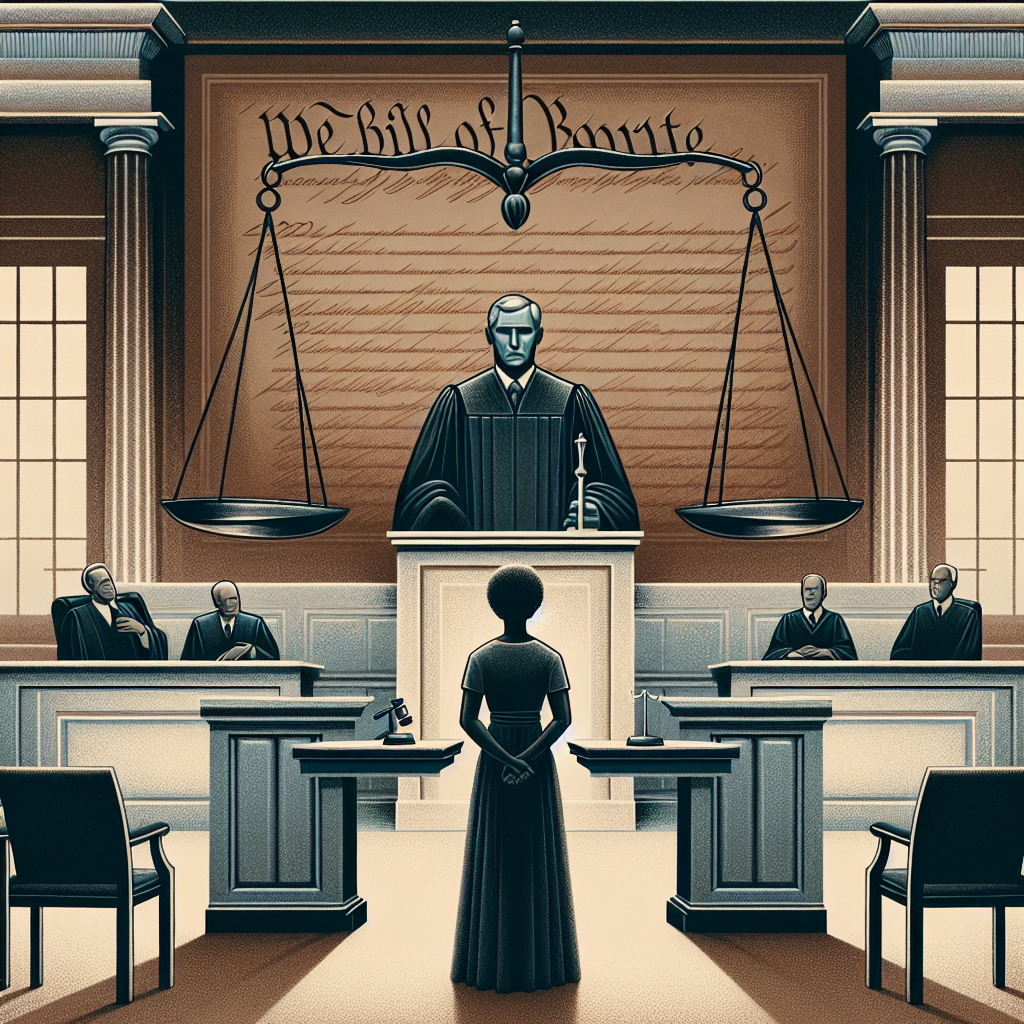
In March 1963, Phoenix police arrested Ernesto Miranda on charges of kidnapping and rape. After two hours of interrogation — during which no one mentioned lawyers or the right to stay silent — Miranda signed a confession. Three years later, the Supreme Court threw it out. The 5–4 ruling in Miranda v. Arizona established that every person taken into police custody must be clearly informed of their right to remain silent, their right to an attorney, and the fact that anything they say can be used against them in court.
Chief Justice Earl Warren, writing for the majority, argued that the pressures of a police interrogation room are inherently coercive — that without explicit warnings, a confession can never truly be voluntary. The ruling drew furious pushback from law enforcement, who warned it would handcuff police and free the guilty. Congress passed a law in 1968 attempting to override it, but the Supreme Court reaffirmed Miranda in Dickerson v. United States in 2000. The phrase "You have the right to remain silent" became so embedded in American culture that most citizens could recite it before they finished elementary school.
Ernesto Miranda was retried and convicted without his confession — on his ex-girlfriend's testimony — and served 11 years. He was stabbed to death in a Phoenix bar fight in 1976. The suspect invoked his Miranda rights and was never charged. The ruling bears Miranda's name; the legal protection outlasted him by decades and counting.



| Decided | June 13, 1966 |
| Court | Warren Court |
| Vote | 5–4 |
| Written by | Chief Justice Earl Warren |
| Petitioner | Ernesto Miranda |
| Respondent | State of Arizona |
| Key doctrine | Suspects must be informed of rights before custodial interrogation |
| Date | June 13, 1966 |
| Location | Washington, D.C. |