Fourteenth Amendment
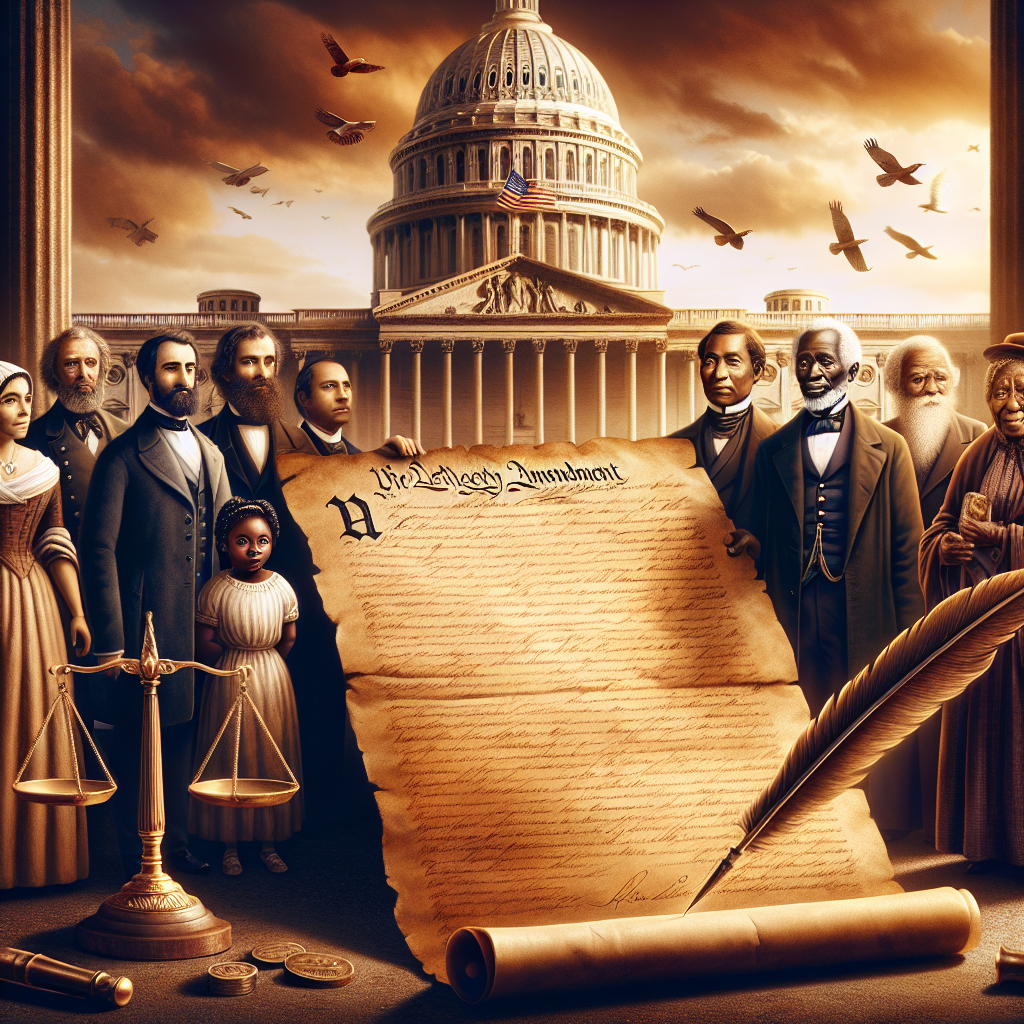
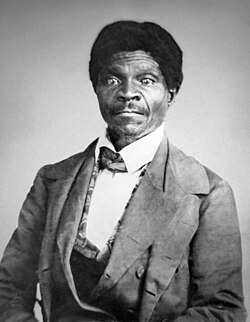
The Fourteenth Amendment was written to accomplish something that should not have required a constitutional amendment: to establish that Black Americans were citizens of the United States. The Supreme Court's Dred Scott decision of 1857 had declared otherwise, and the Civil War's end left millions of formerly enslaved people in legal limbo in states actively working to reduce them to conditions indistinguishable from bondage. Section One, ratified in 1868, declared all persons born or naturalized in the United States to be citizens and guaranteed them the equal protection of the laws.
The amendment's applications have extended far beyond its original purpose. Its Equal Protection Clause became the foundation for Brown v. Board of Education, striking down school segregation. Its Due Process Clause was used to incorporate the Bill of Rights against state governments — meaning states, not just the federal government, must respect freedom of speech, the right to counsel, and protection from unreasonable searches. Its citizenship clause anchored birthright citizenship for over 150 years, producing ongoing political controversy in every generation that confronts a new wave of immigration.
The amendment was ratified under duress — Southern states were required to ratify it as a condition of readmission to the Union. Its Section Three, which bars from federal office anyone who took an oath to the Constitution and then engaged in insurrection, lay dormant for over 150 years before becoming the subject of intense legal argument in the 2020s. Its Section Two, which reduced Congressional representation for states that denied the vote, was never enforced. The Fourteenth Amendment is arguably the most litigated document in American legal history, its clauses still actively defining the outer boundaries of American rights.

| Ratified | July 9, 1868 |
| Key Provisions | Citizenship clause; Equal Protection; Due Process; Section Three |
| Overturned | Dred Scott v. Sandford (1857) |
| Foundation for | Brown v. Board (1954); incorporation of Bill of Rights to states |
| Ratification | Required of Southern states as condition of readmission to Union |
| Preceded by | Thirteenth Amendment (1865) |
| Followed by | Fifteenth Amendment (1870) |
| Date | July 9, 1868 |
| Location | Washington, D.C. |