Westward Expansion: Explorers, Events, and Turning Points
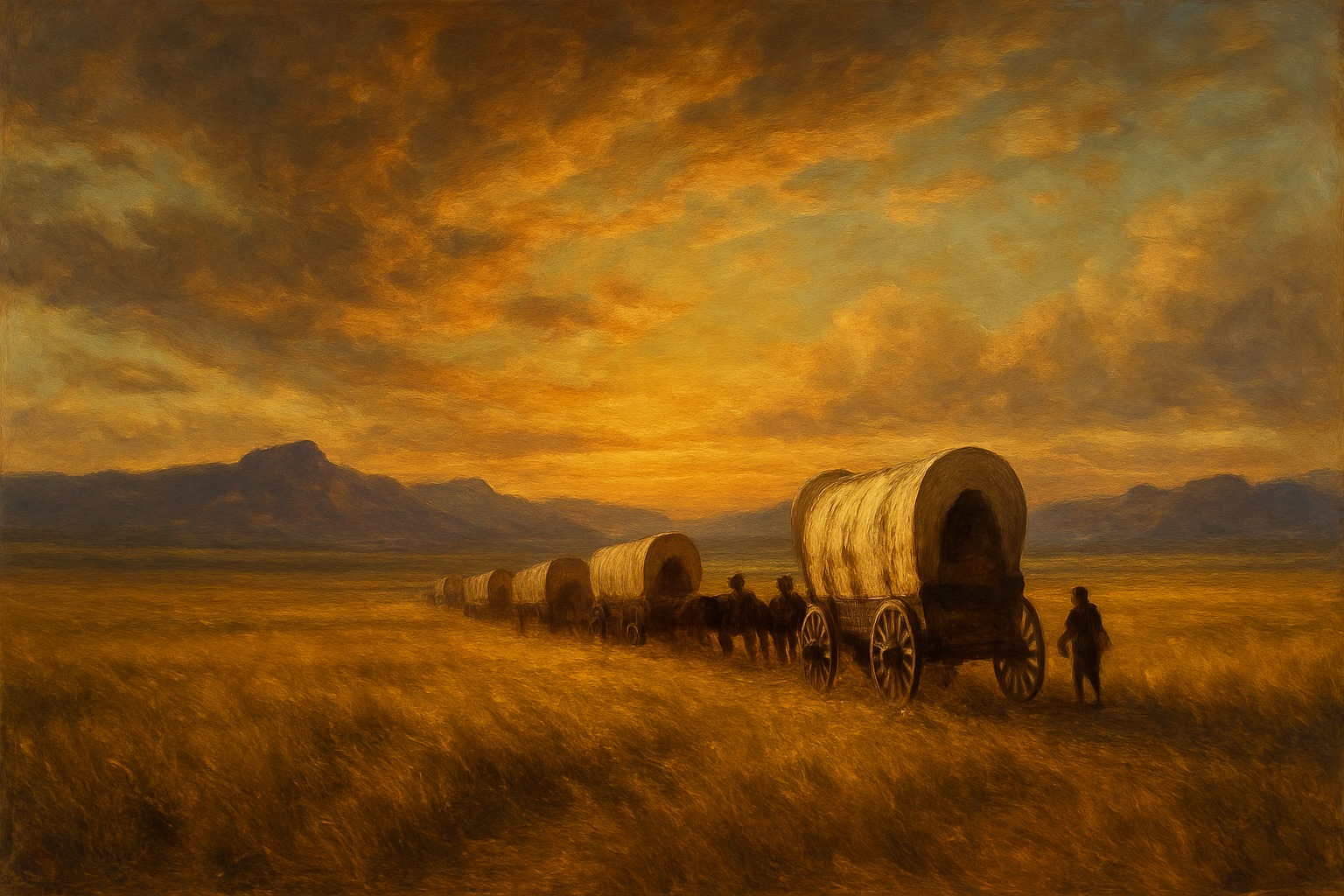
In 1803 the United States was a strip of farms and ports east of the Mississippi. Within a single lifetime it reached the Pacific, and by 1890 the Census Bureau declared the frontier closed. No fact shaped the country more. Westward expansion built the states, the railroads, and the national wealth; it also drove a forced removal of Native nations from nearly the whole of the continent, and it carried the question of slavery into every new territory until the argument finally broke into civil war. The same movement that Americans long told as a story of pioneers and promise was, for the peoples already living on the land, a story of dispossession.
This guide follows that expansion in order — the great purchases and treaties that acquired the land, the explorers who mapped it, the migrants who crossed it, the railroad that bound it together, the political crises it set off, and the long war against the Native nations in its path. Each entry links to a full account. Read straight through and the through-line is hard to miss: every acquisition that doubled the nation's size also doubled the stakes of the questions it was trying to outrun.
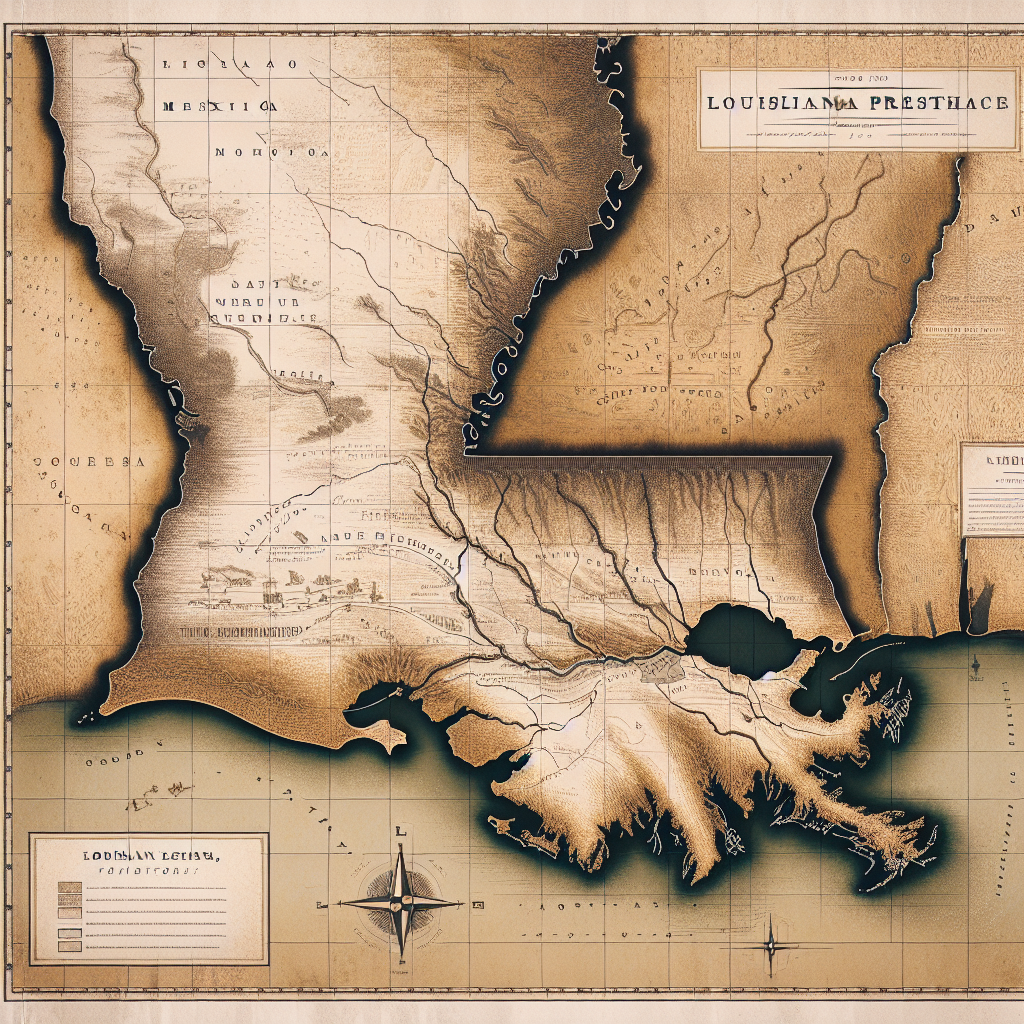
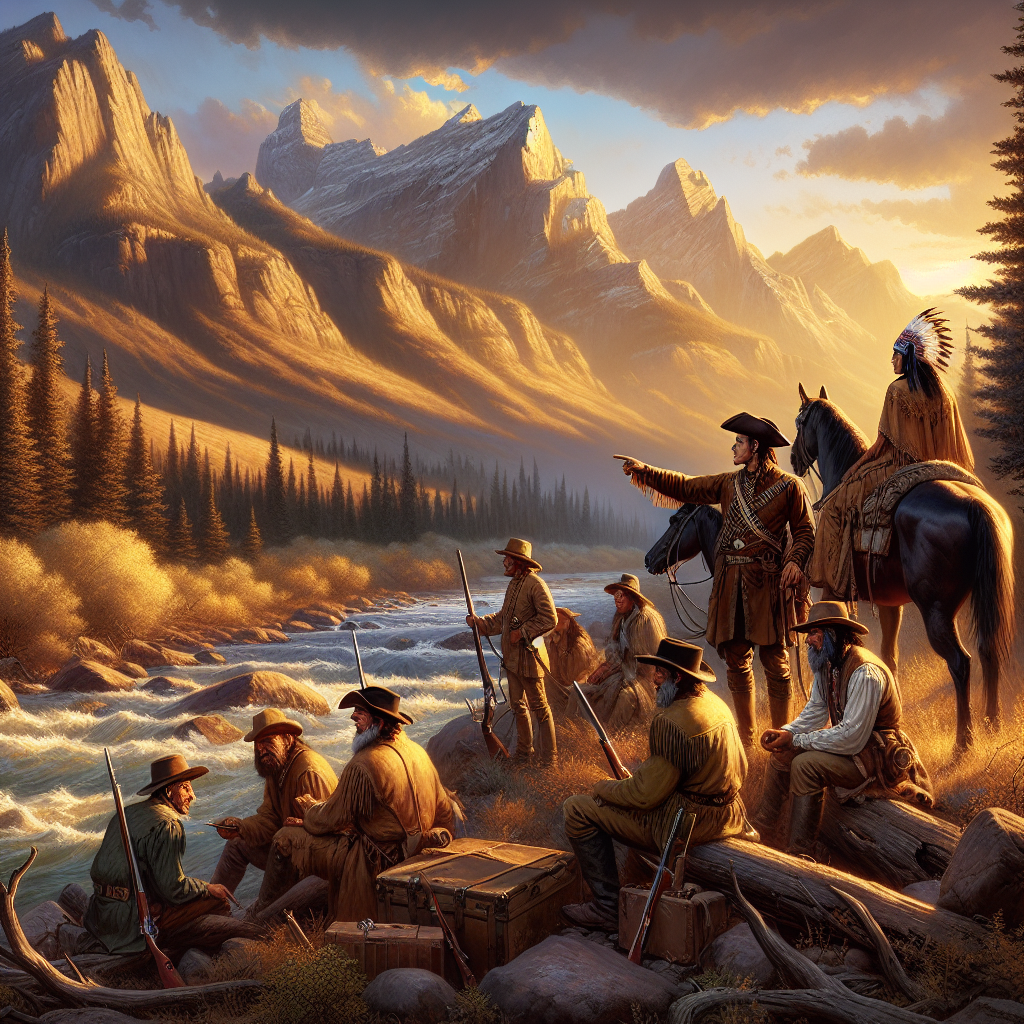
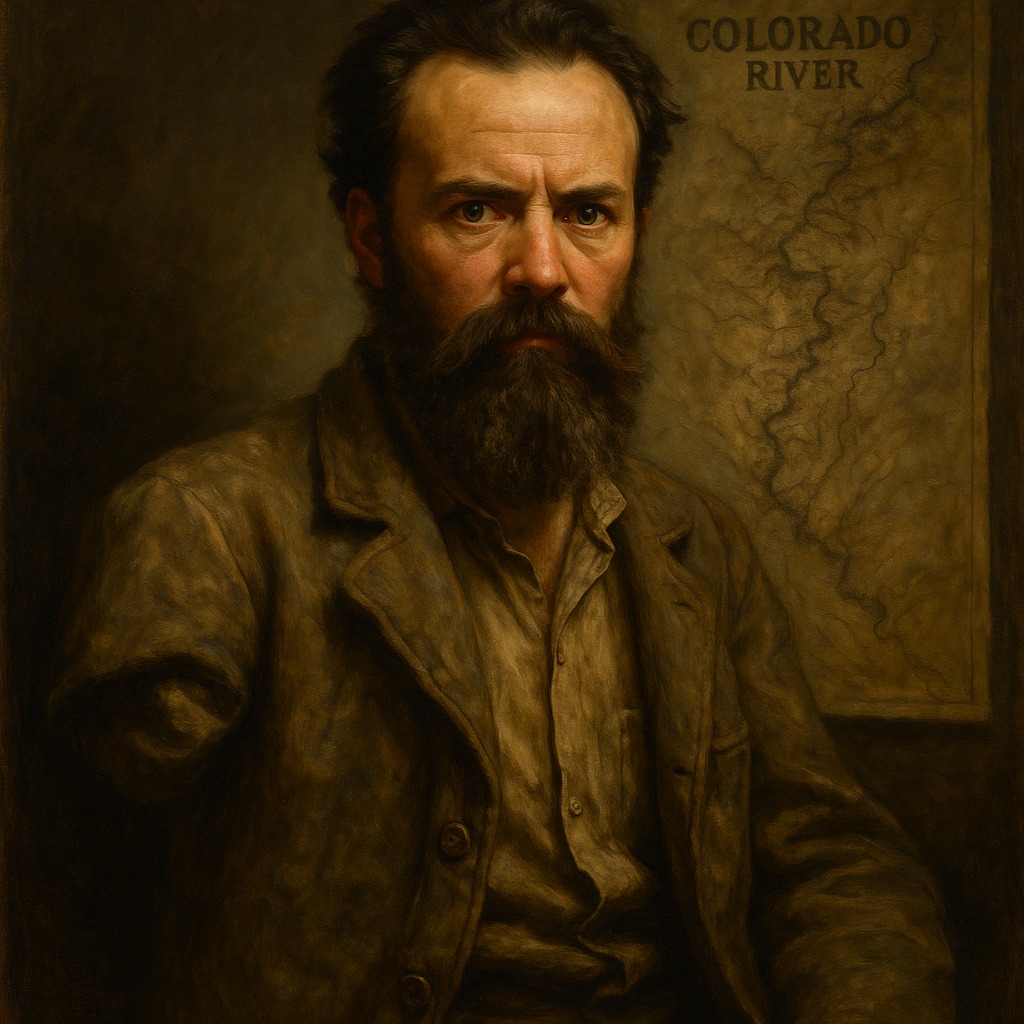
Expansion began with a bargain no one had planned for: France, needing money for a war in Europe, offered to sell not just New Orleans but the whole of Louisiana. The purchase doubled the country and left it with a vast interior it had never seen. The first task was simply to find out what was there.
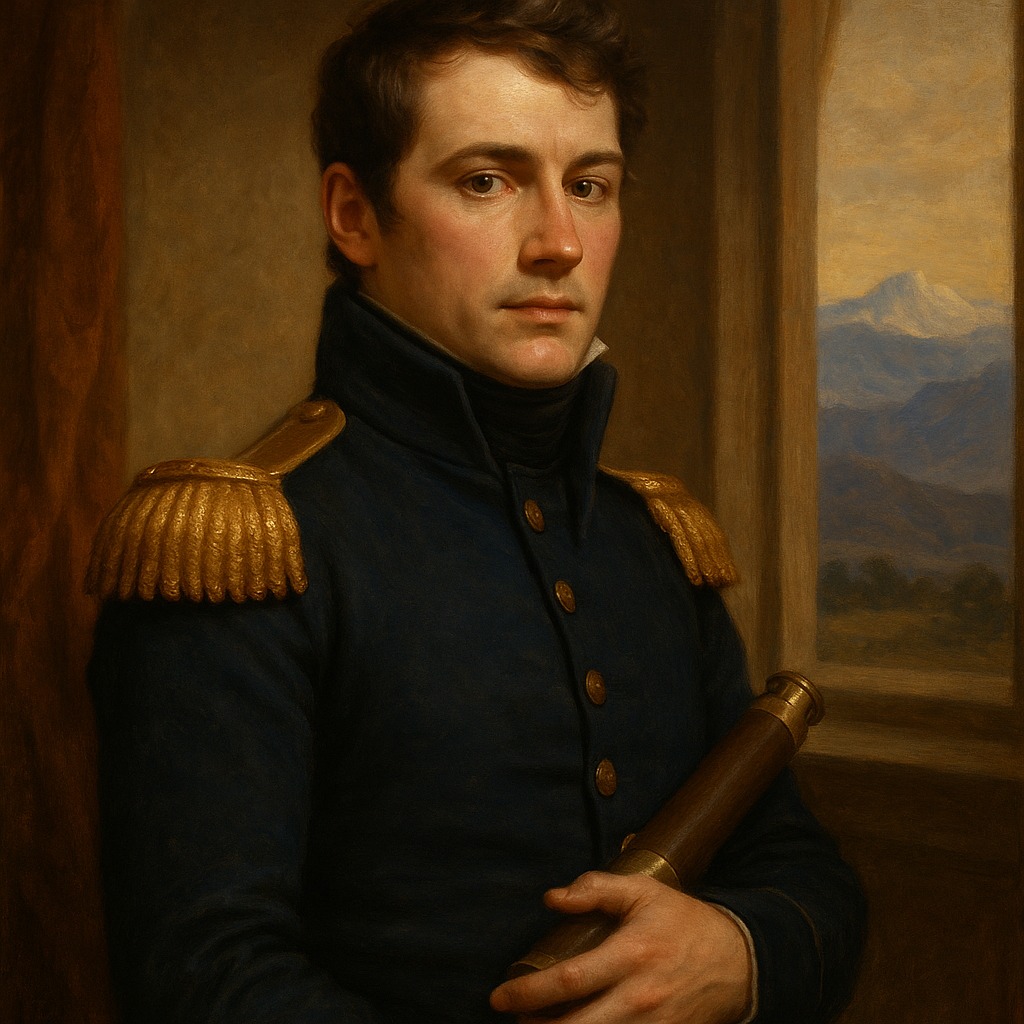
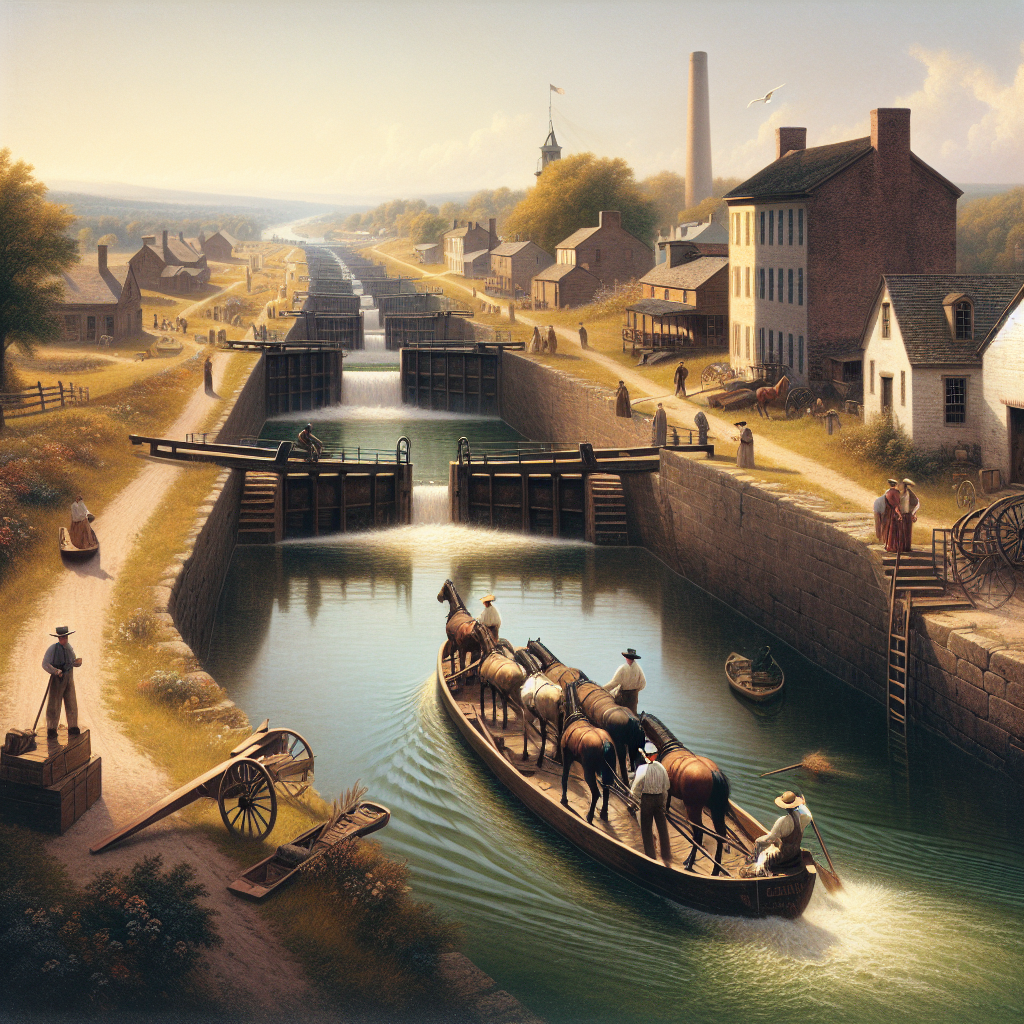
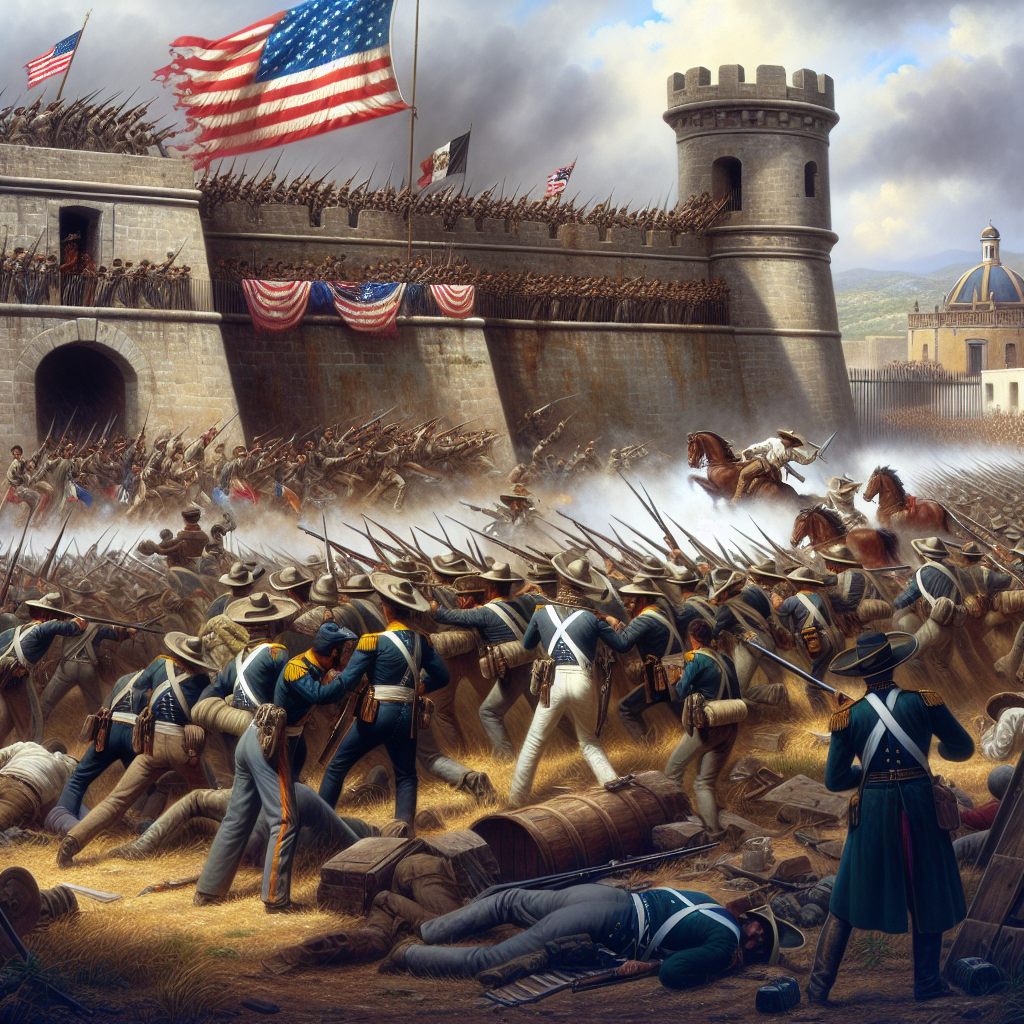
By the 1840s a slogan had hardened into a national policy. The conviction that the United States was destined to reach the Pacific drew settlers down the trails and, when Mexico stood in the way, justified a war that seized a third of its territory. In a single decade the map of the lower continent was all but complete.
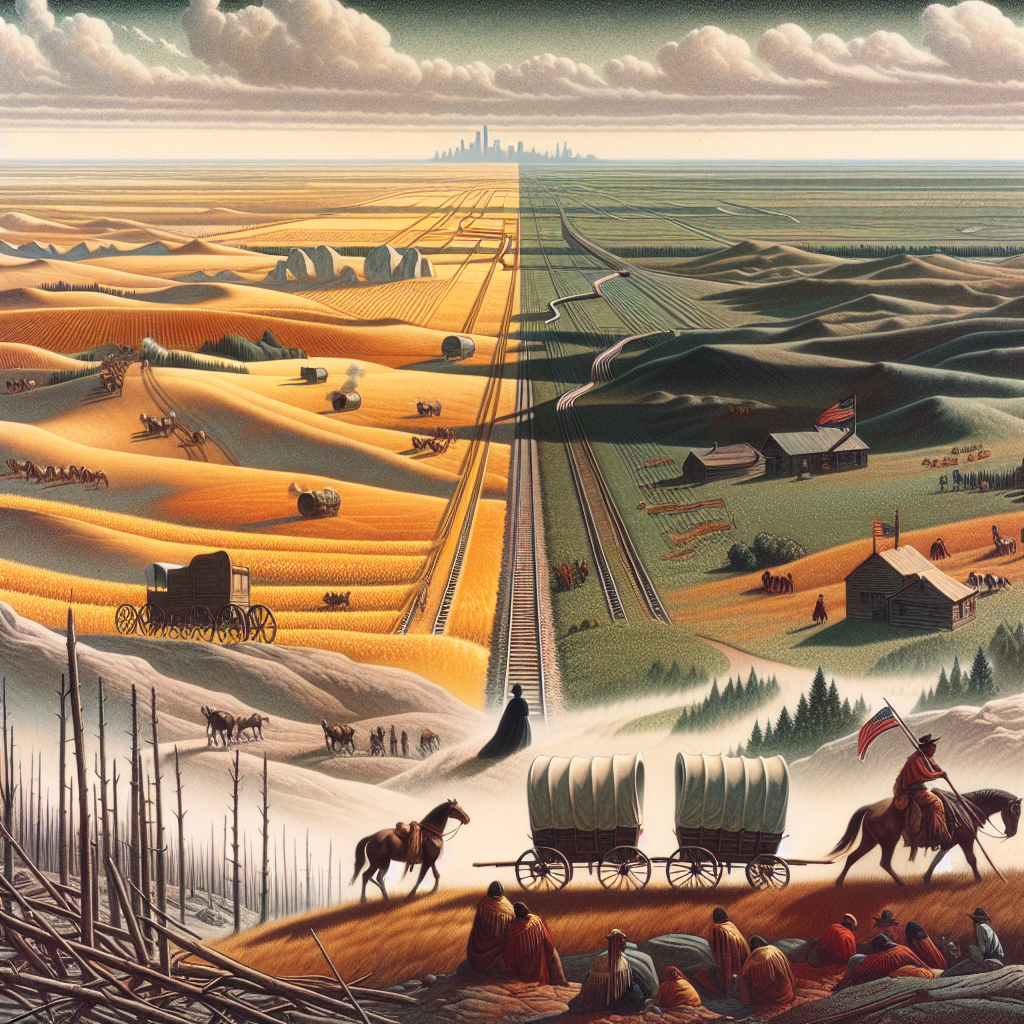

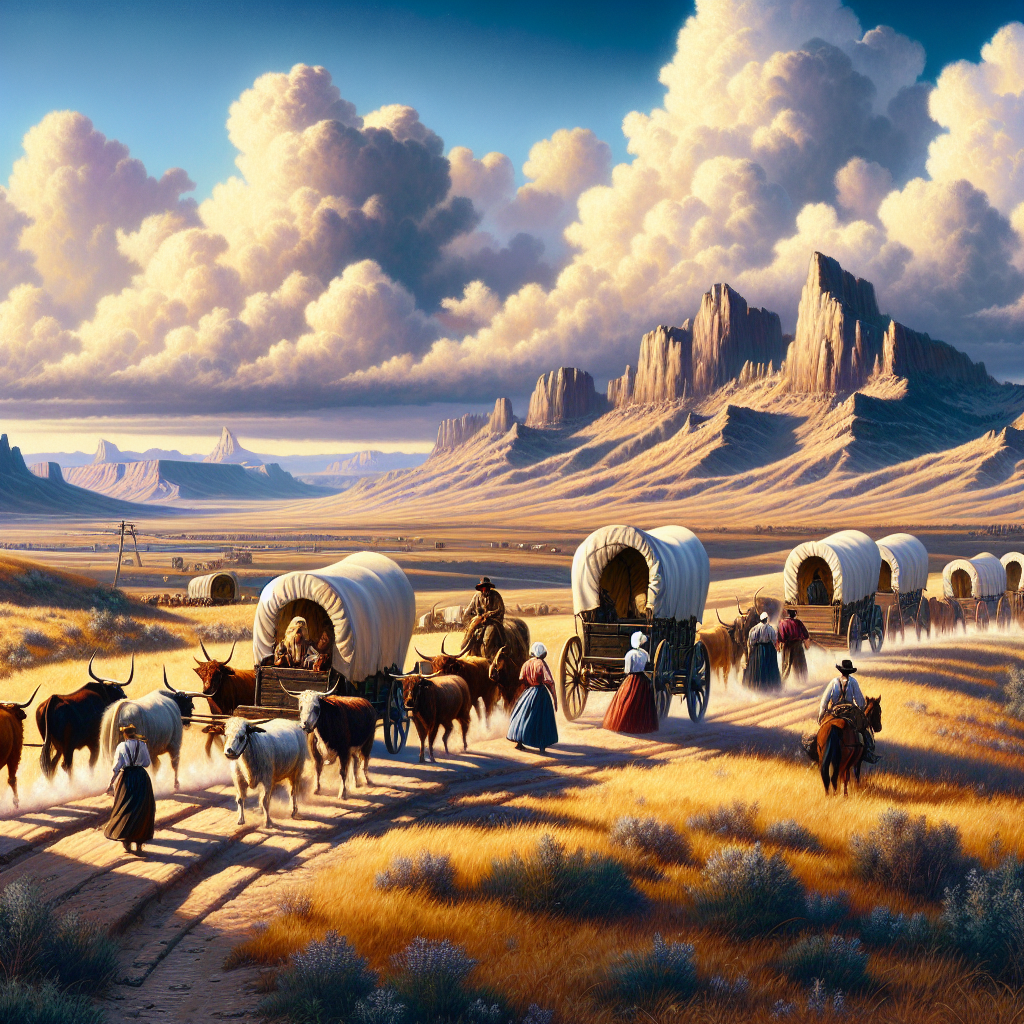
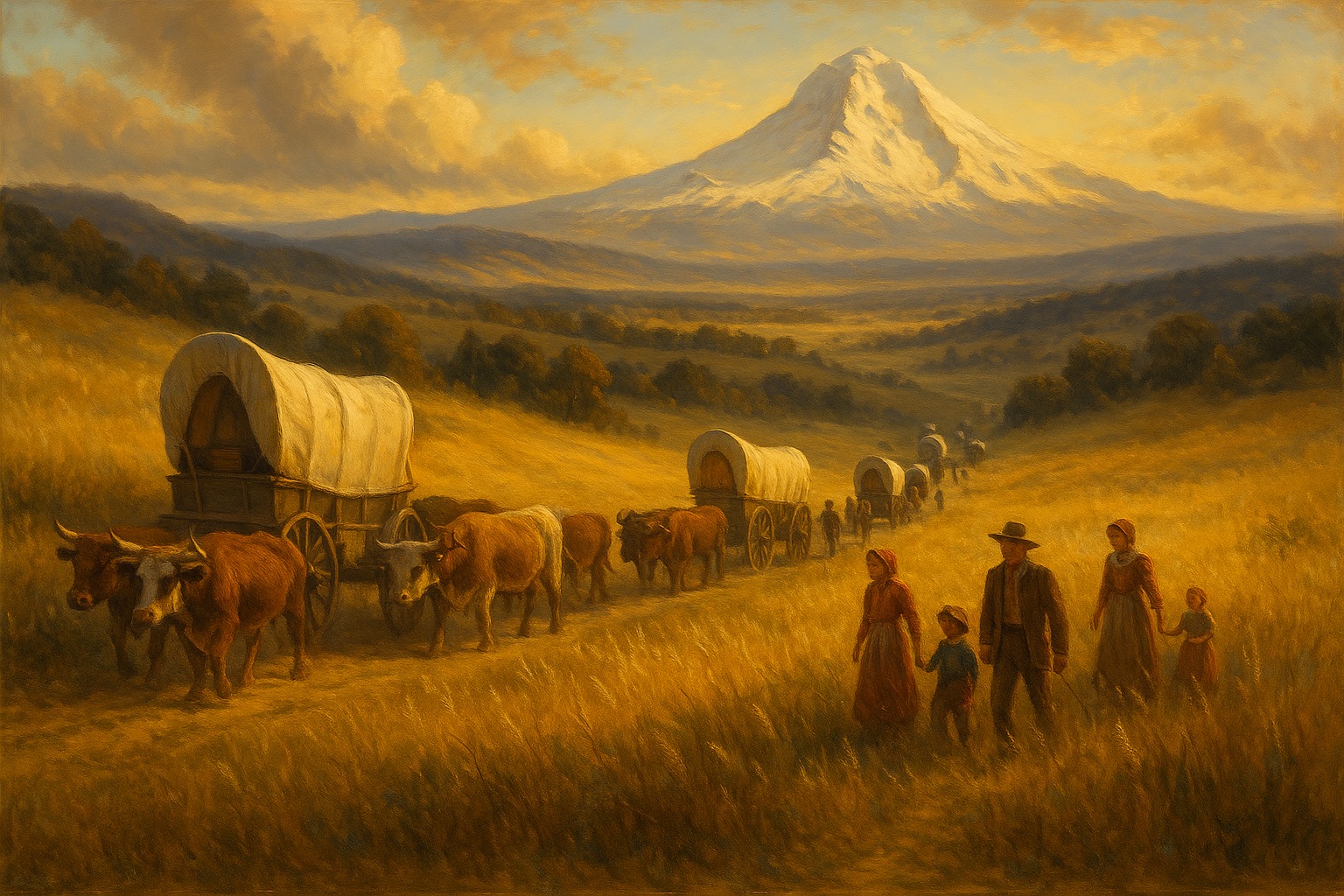
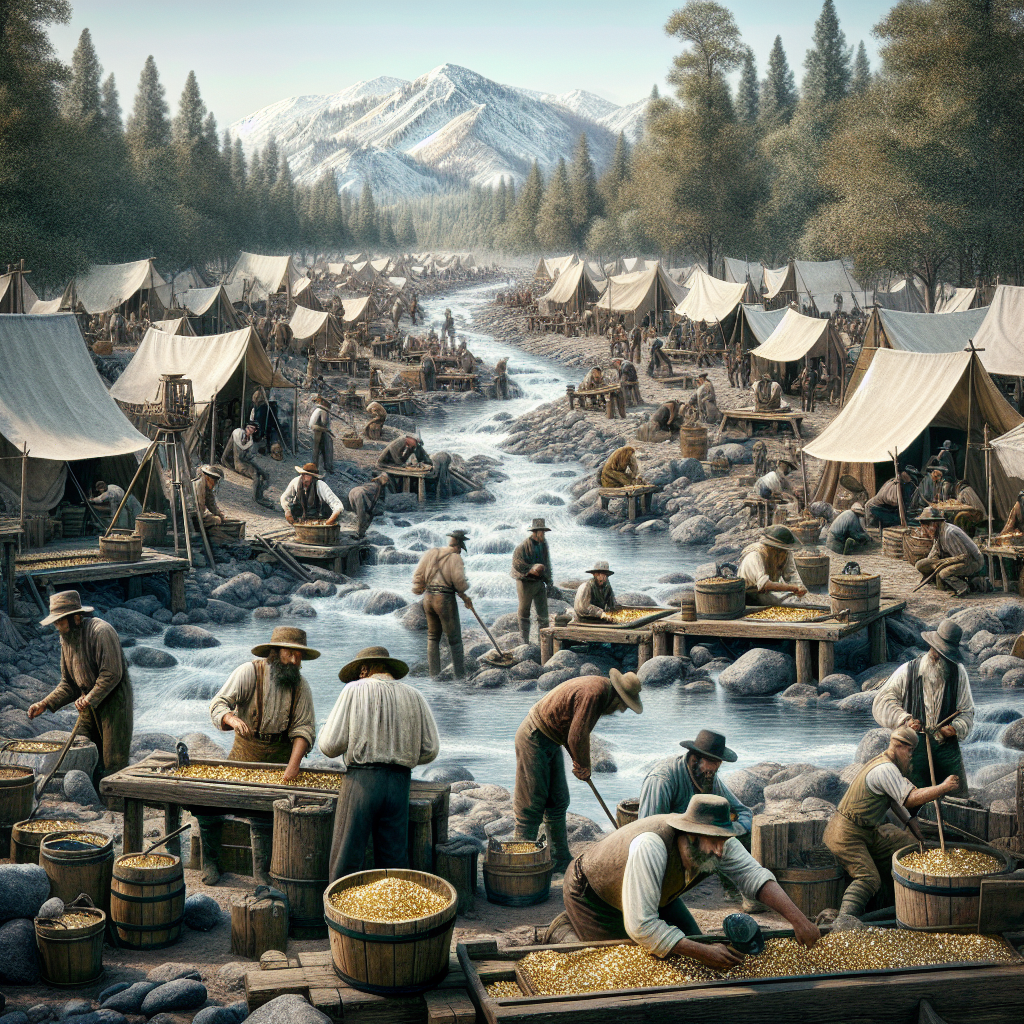
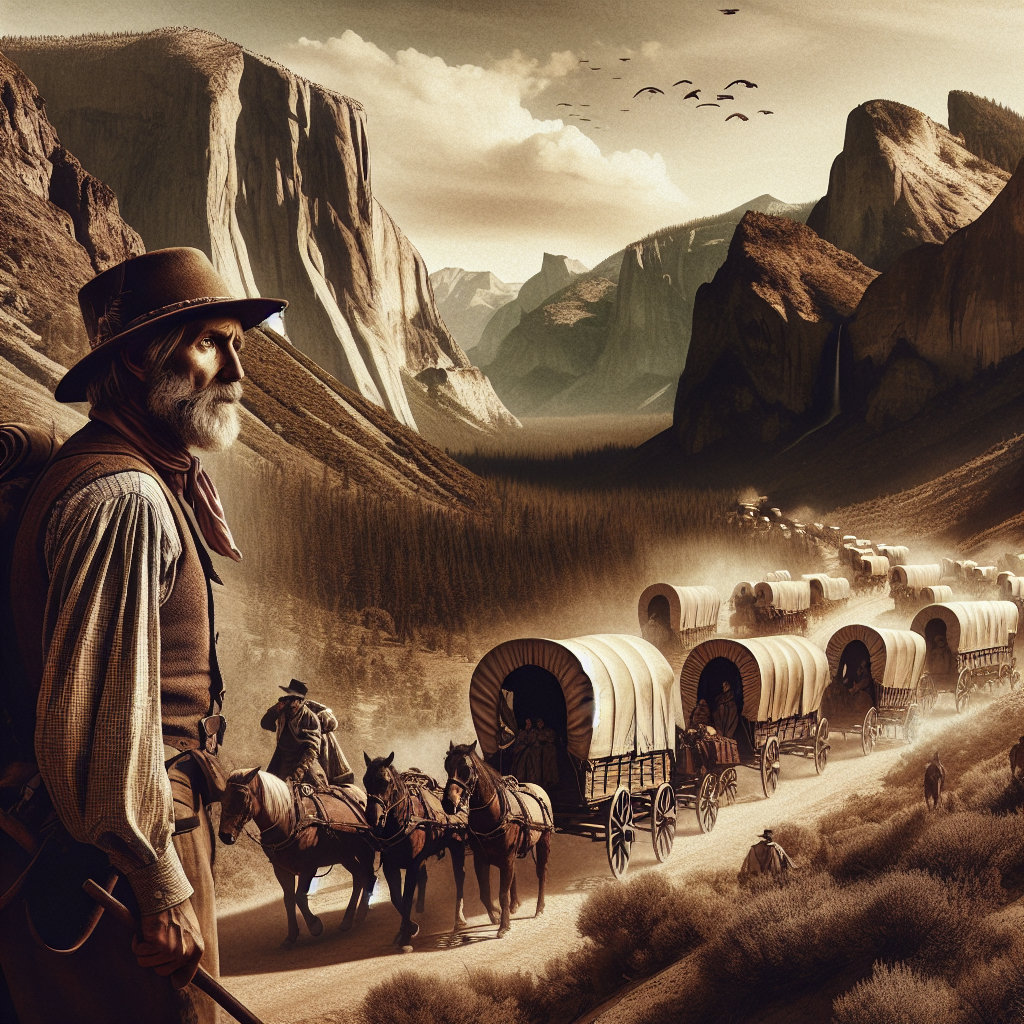
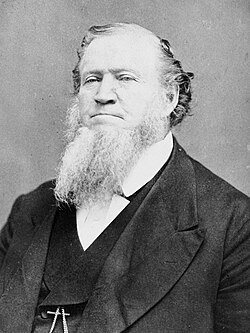
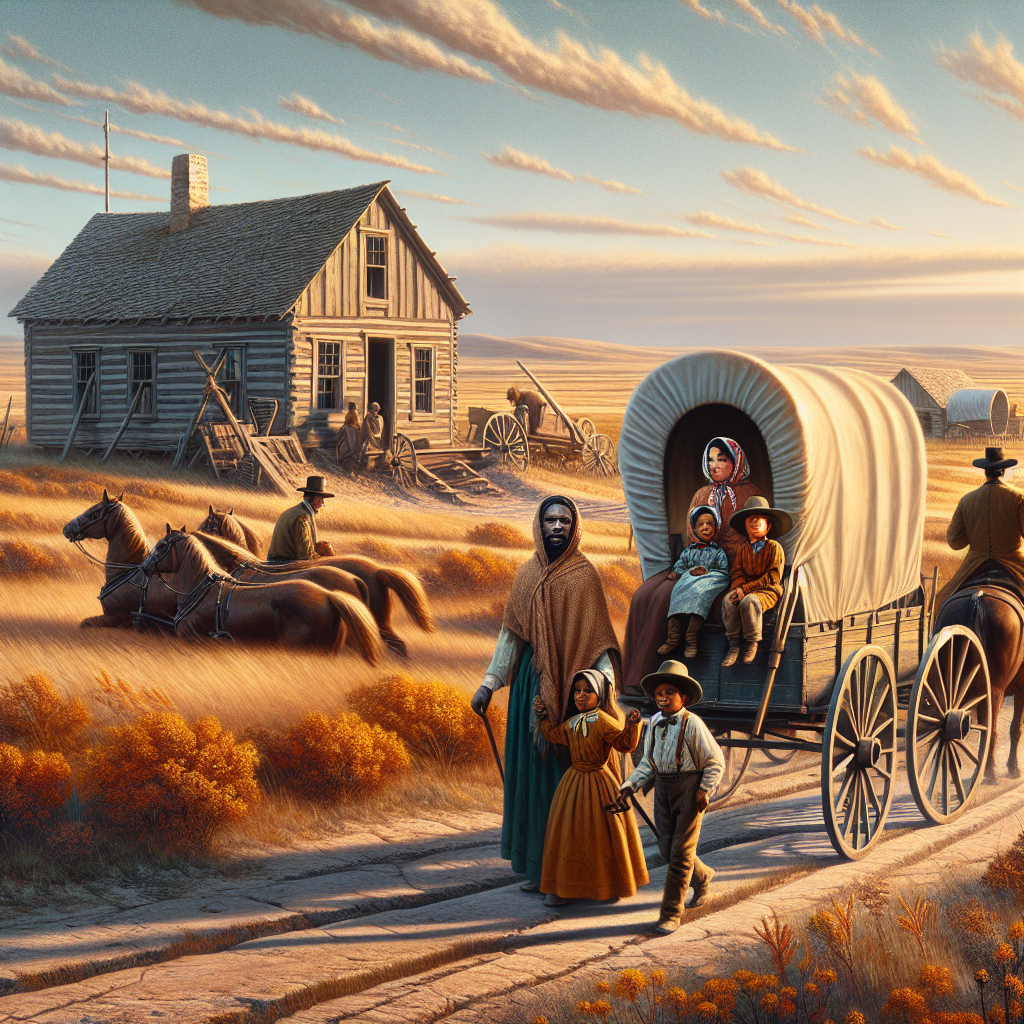
Acquiring the land was one thing; filling it was another. Gold, free farmland, and the search for religious refuge pulled hundreds of thousands across the Plains and mountains — a migration that built new states out of territory that had been, on the maps in Washington, all but empty.
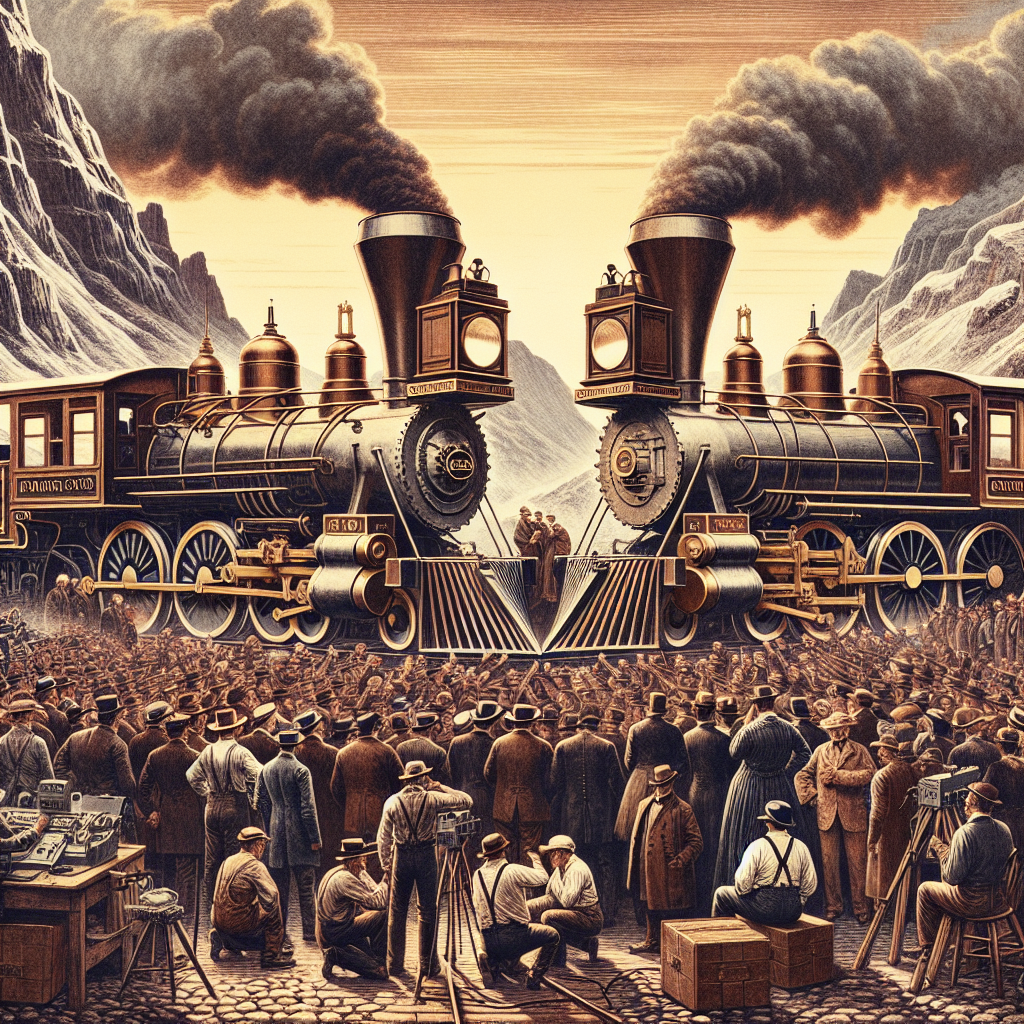
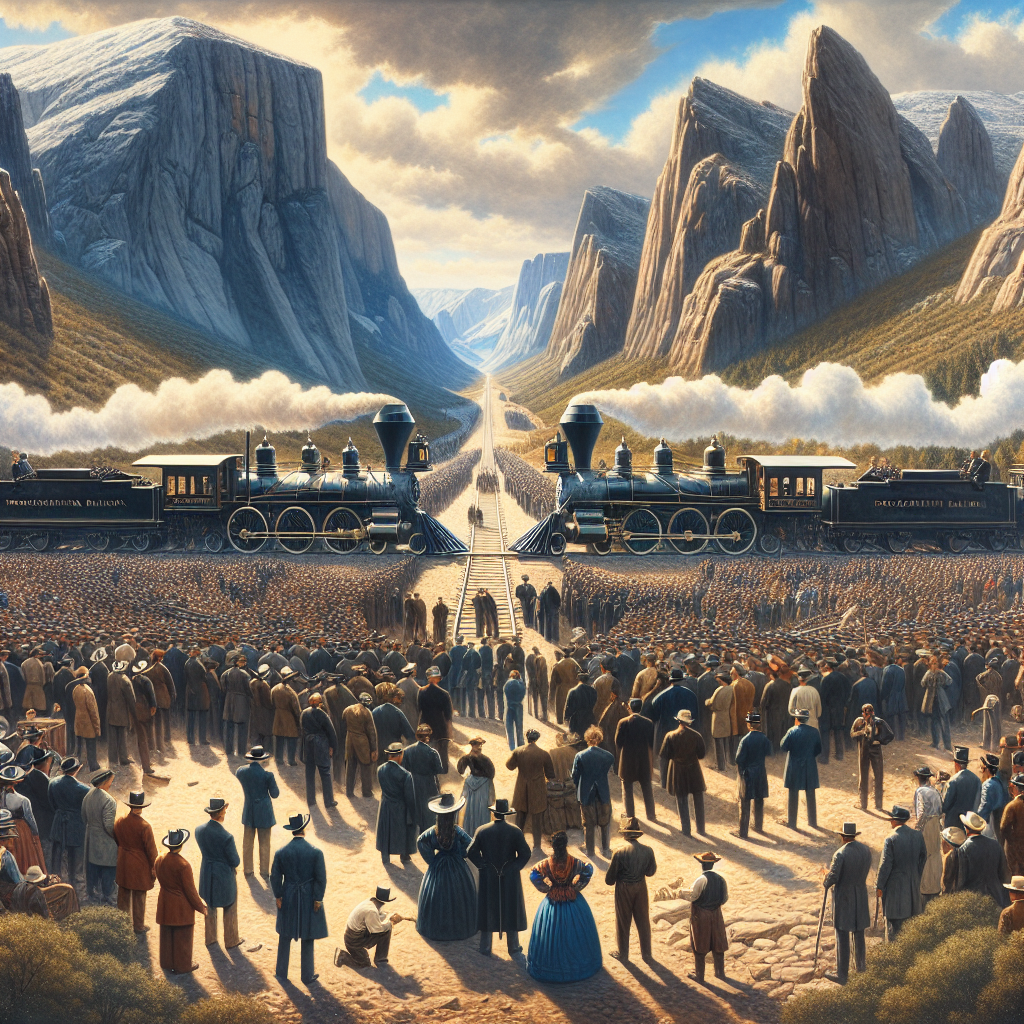
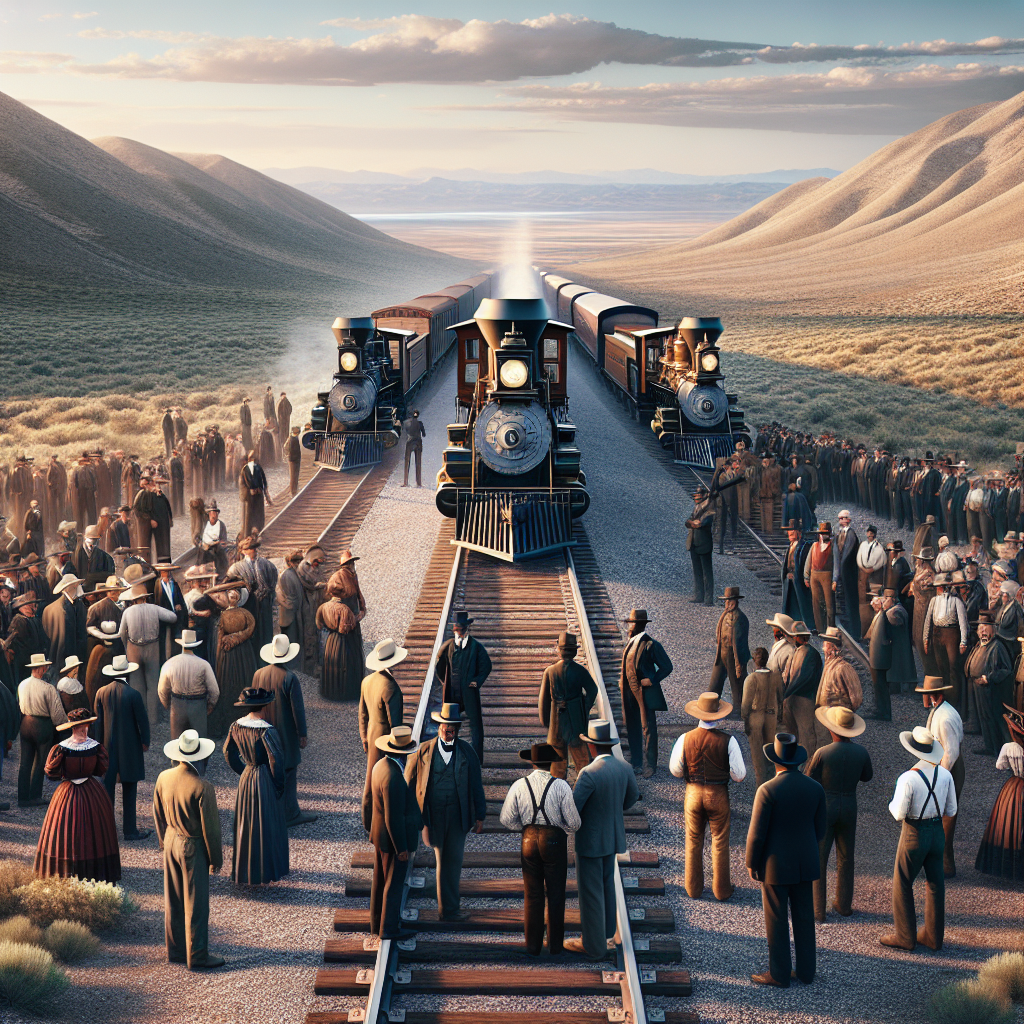
What trails took months, rail took days. The transcontinental railroad turned a string of distant outposts into a single connected market and made the settled West permanent — though the land it crossed and the labor that built it both came at a cost the celebrations skipped over.
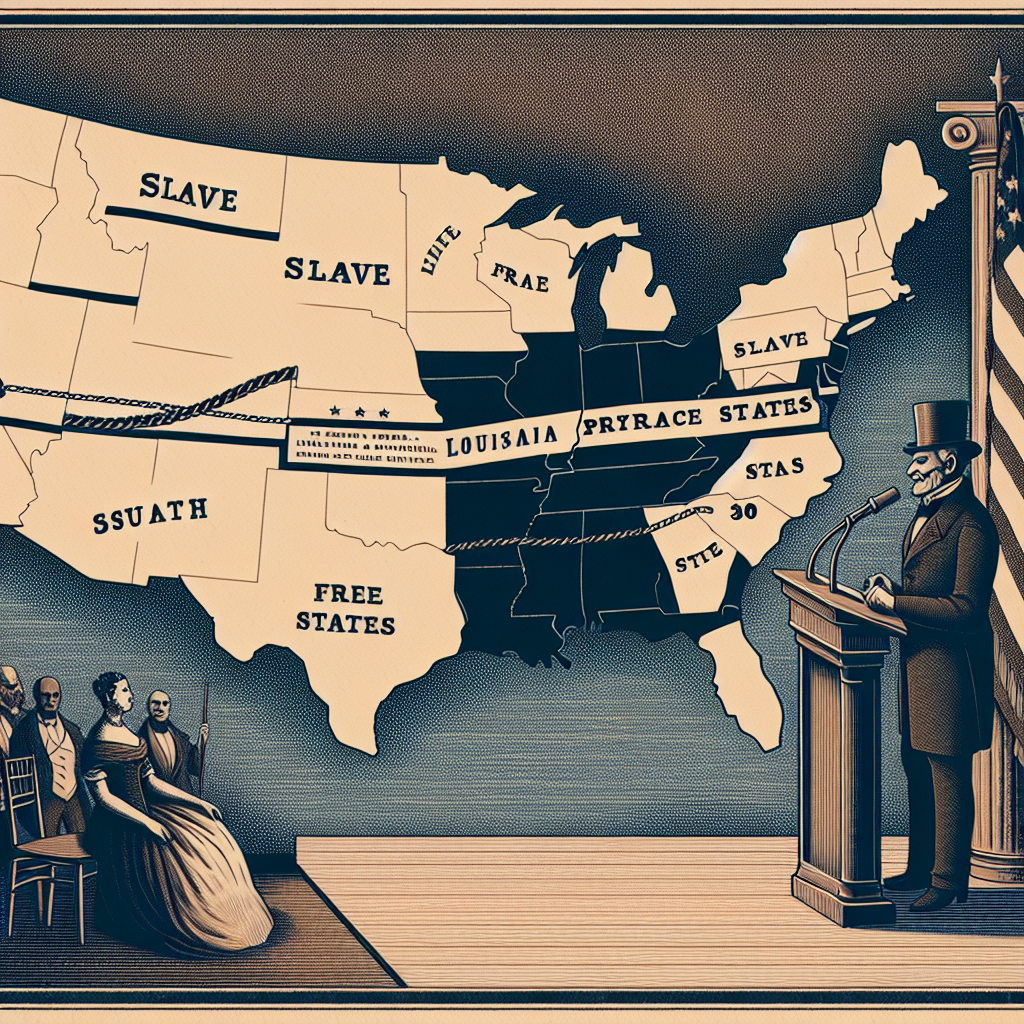
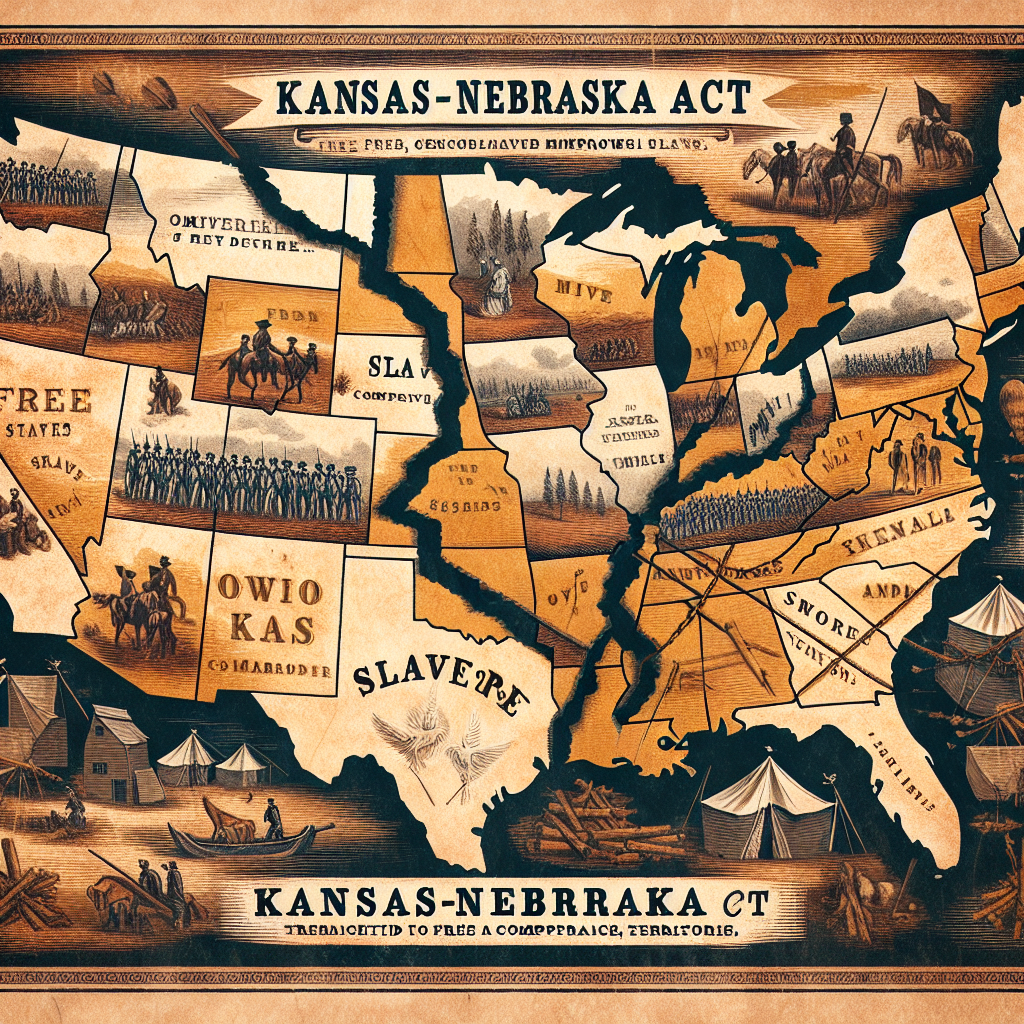
Every new territory forced the same question: would it be slave or free? Expansion did not let the country avoid the argument over slavery; it carried that argument west and made it unavoidable. The compromises bought time, until one of them broke the system entirely.
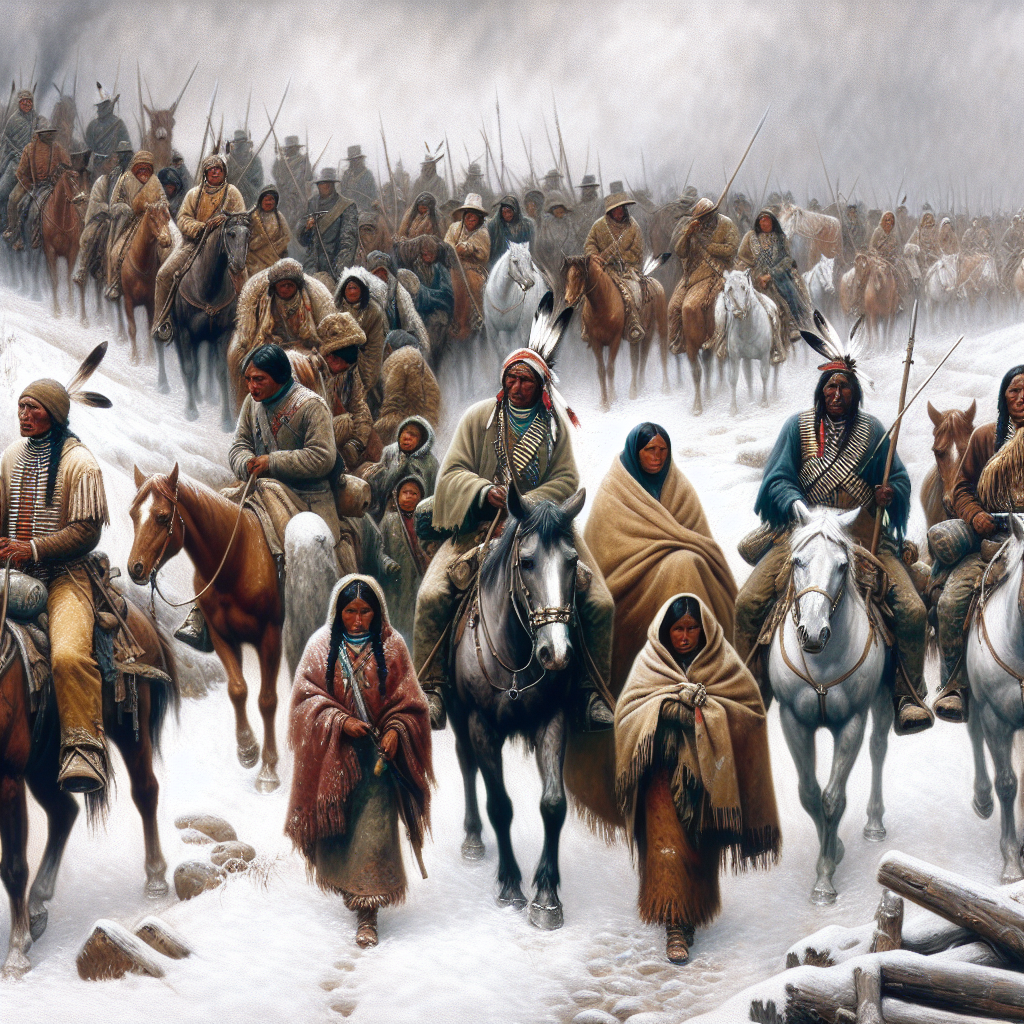
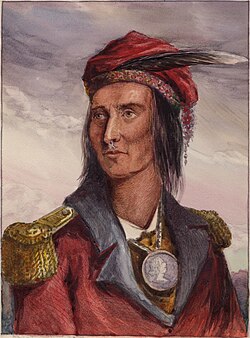
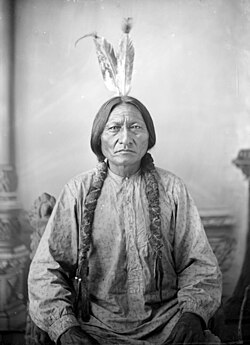
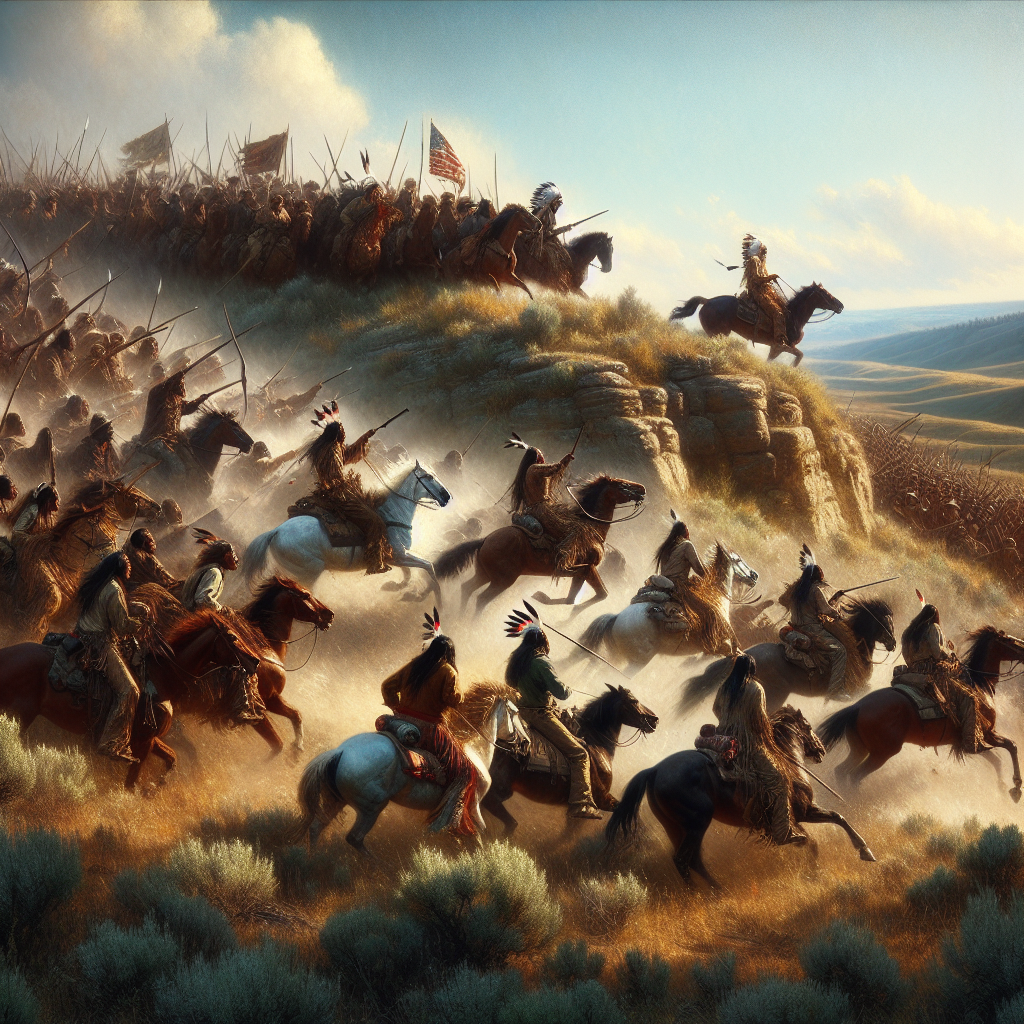
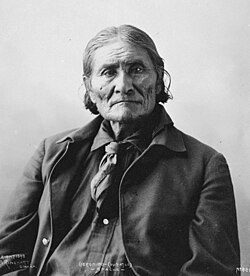
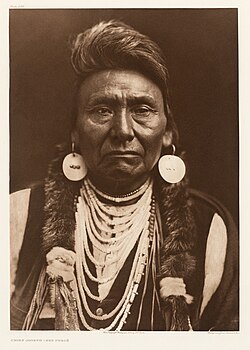
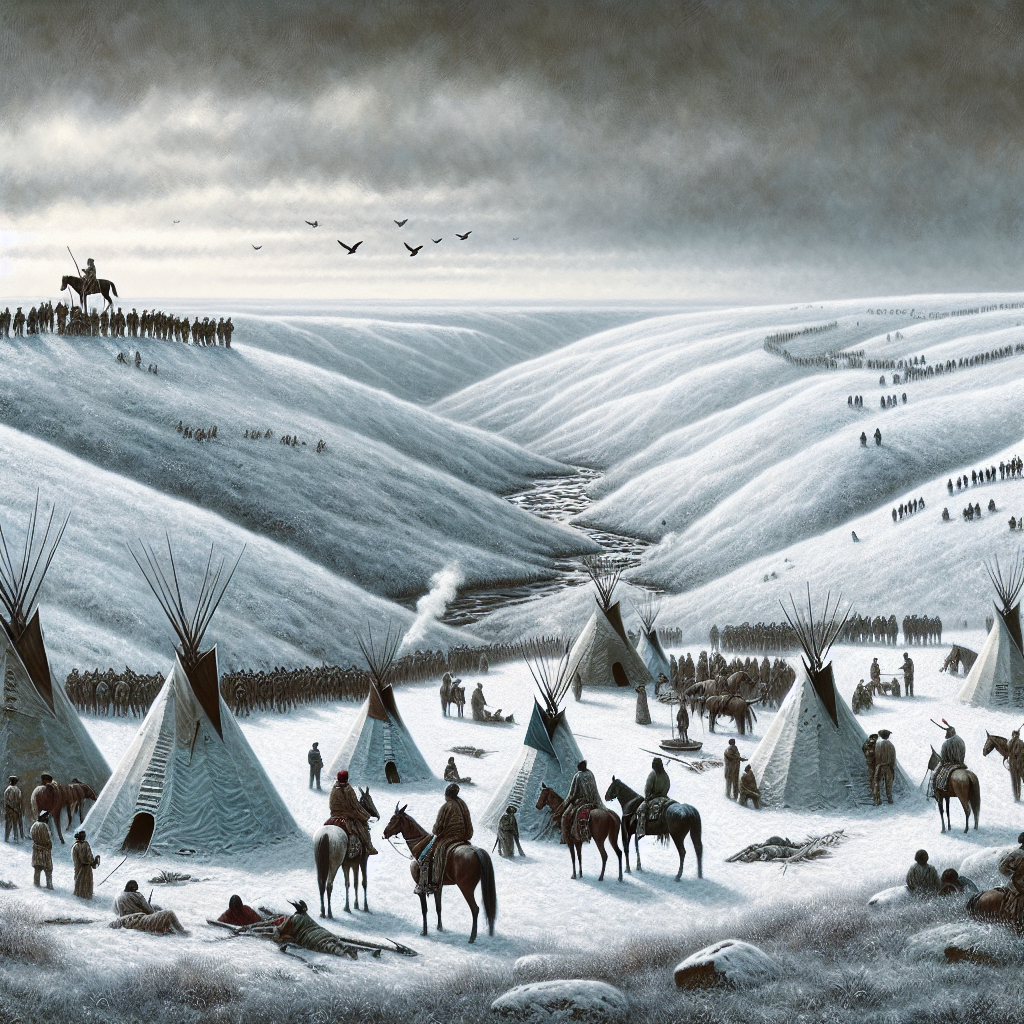
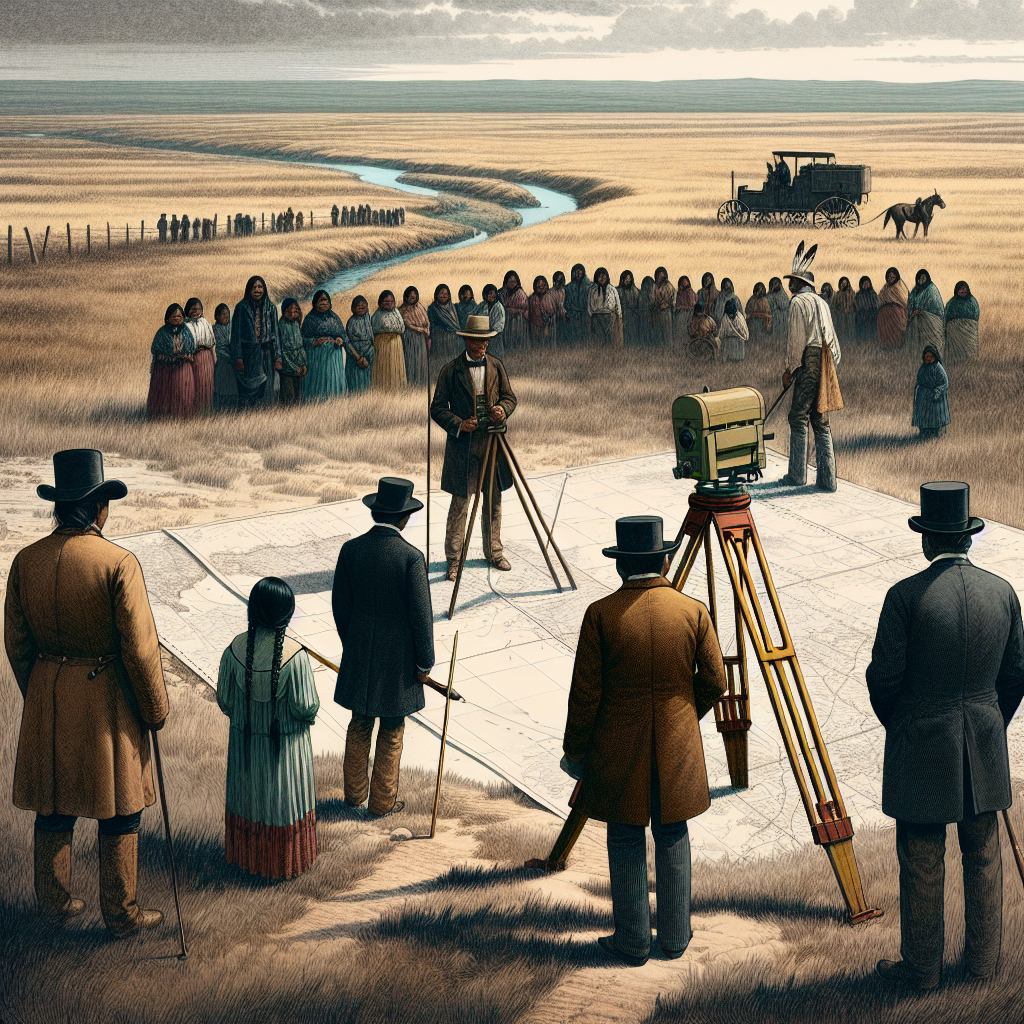
The land the United States acquired was not empty. Running through every chapter of expansion is a second history — of removal, broken treaties, and war against the Native nations in the country's path. These entries center that experience: the leaders who resisted, the lands that were taken, and the policies that dismantled what remained.
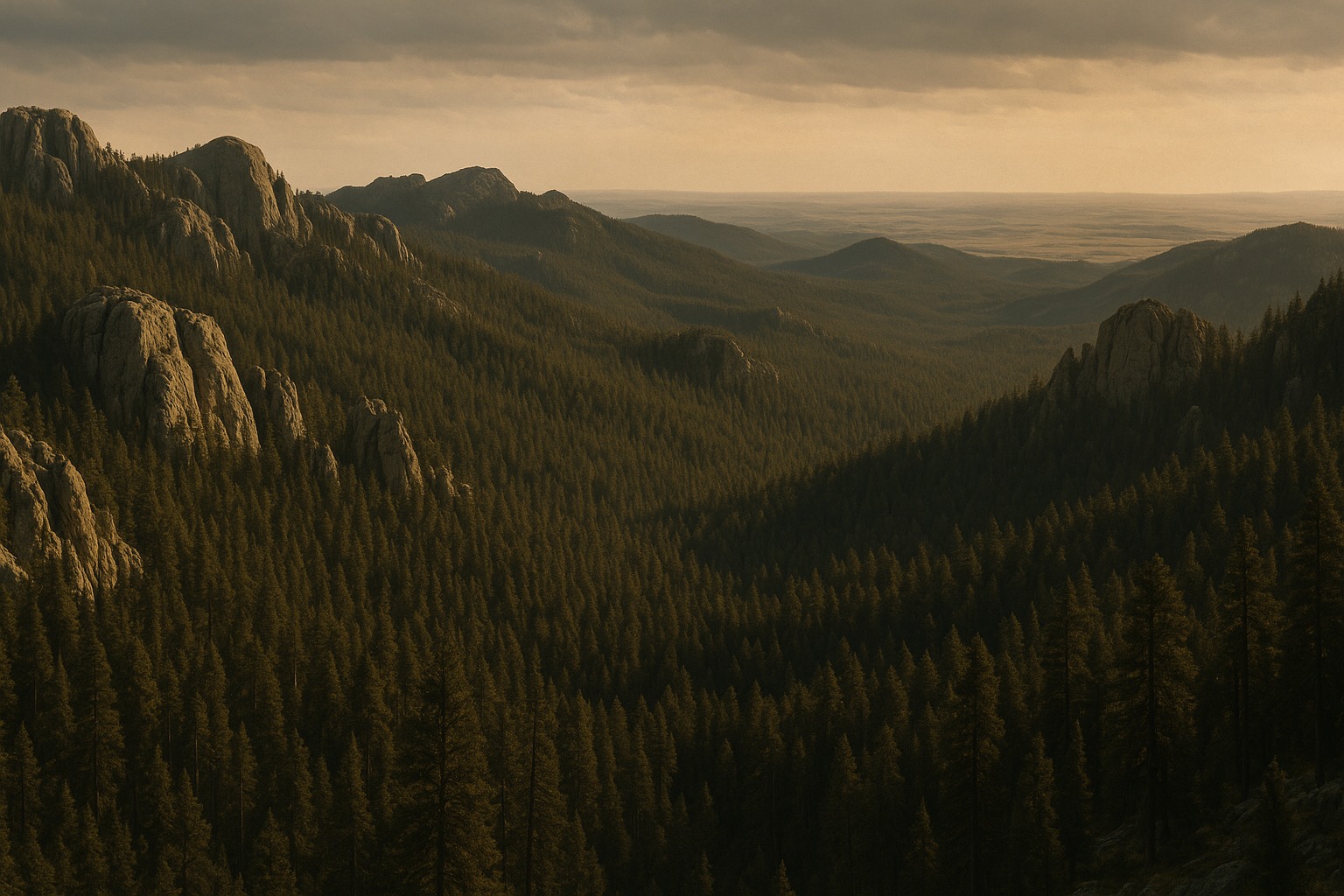
By 1890 there was no longer a line on the map dividing settled from unsettled land. One last great purchase had carried the country to the Arctic, and a young historian gave the closing frontier its first myth — even as the costs of the conquest went on being paid.

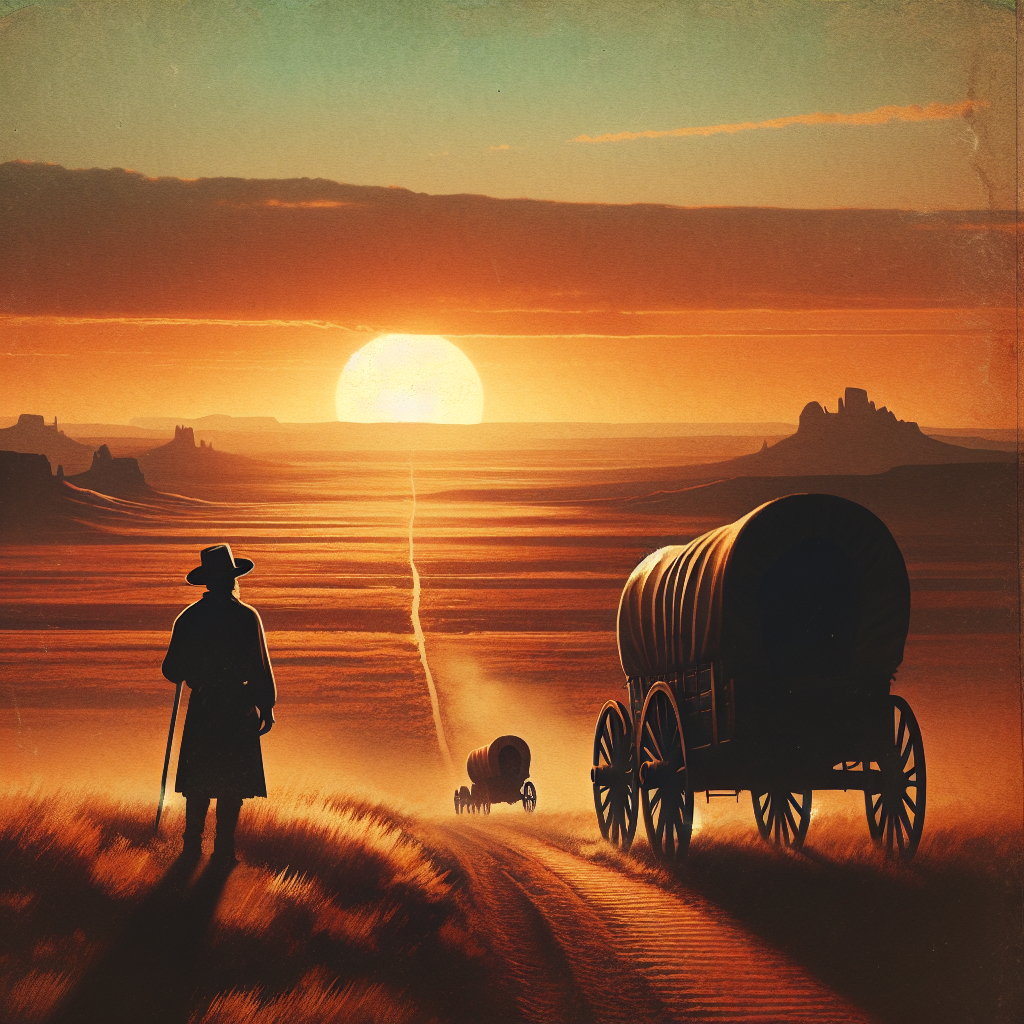
Expansion carried two unresolved questions to a breaking point. For the one that ended in war, read the guide to the Civil War; for the fuller story of the peoples it displaced, Native American history; and for the conflicts that cleared the way, every U.S. war and major conflict.