Compromise of 1850
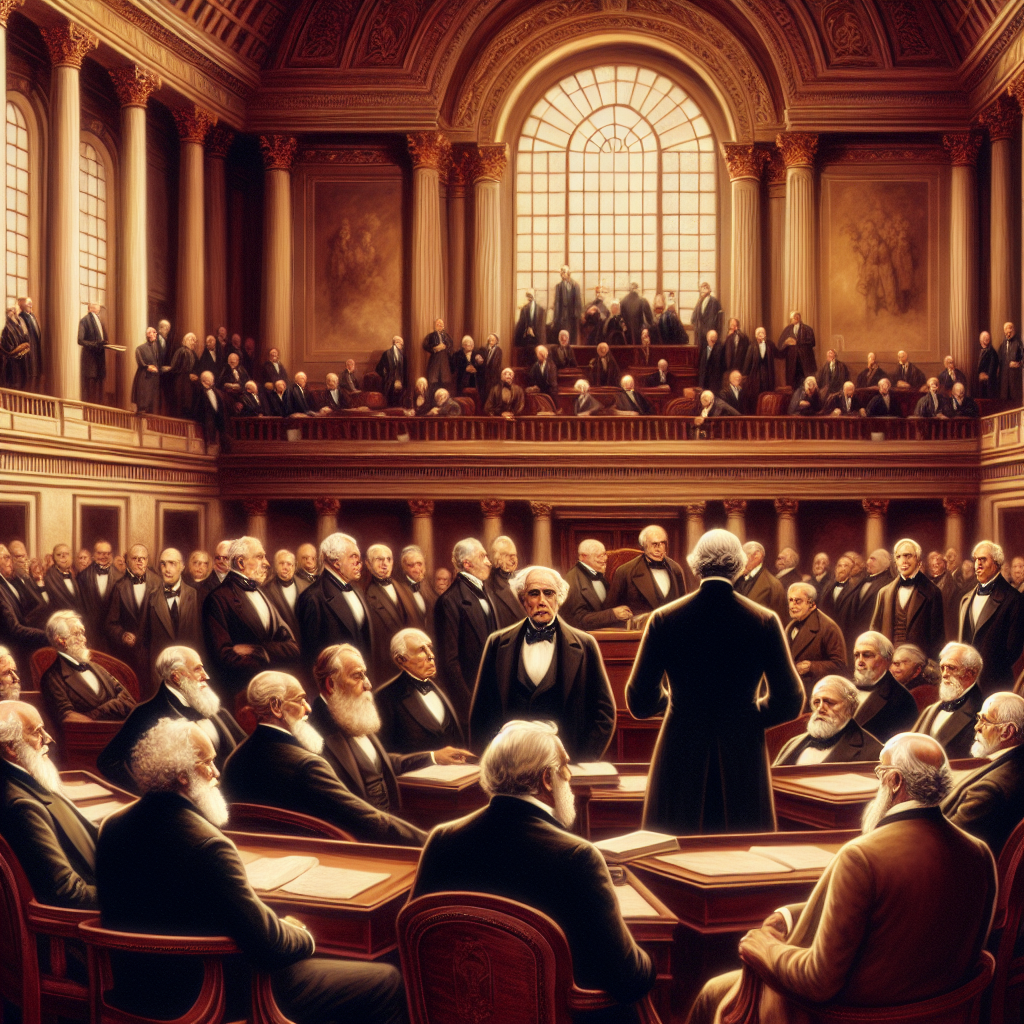
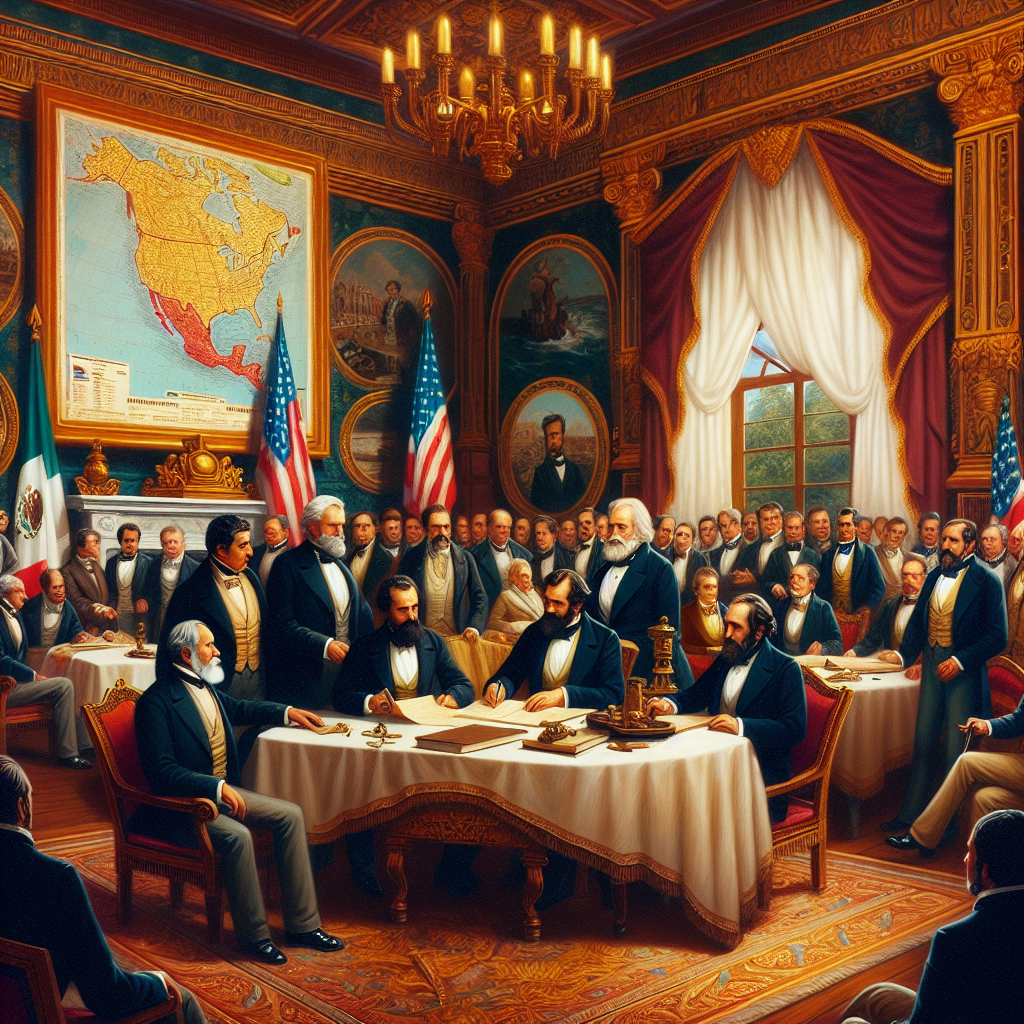
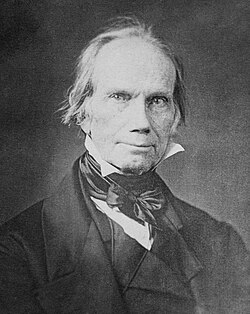
By 1850, the United States was held together by political baling wire. Territory seized from Mexico in 1848 had torn open the question of slavery's expansion, and Congress — fractured between proslavery Southerners, antislavery Northerners, and exhausted moderates — had no obvious path forward. Into that impasse stepped Henry Clay, 73 years old and dying of tuberculosis, with one last attempt to save the Union through negotiation. The Compromise of 1850 was five separate bills hammered out over eight months, designed to give each side just enough to swallow the rest.
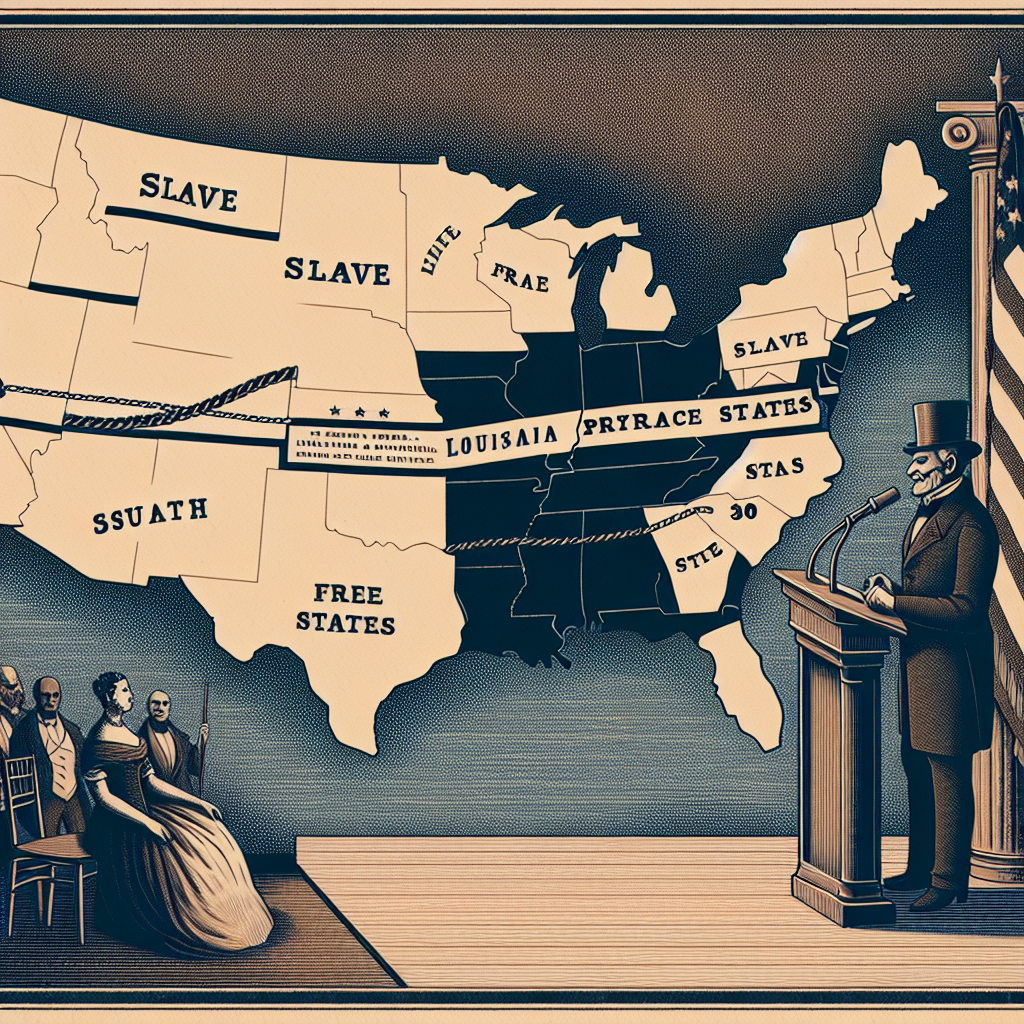
California entered as a free state — a Northern victory. New Mexico and Utah territories would determine their own status through popular sovereignty — a concession to the South. The slave trade, but not slavery itself, was abolished in Washington, D.C. And the South received what it wanted most: a strengthened Fugitive Slave Act requiring Northerners to assist in capturing and returning escaped enslaved people. That last provision proved to be a catastrophic miscalculation. It forced citizens across the North who had managed to avoid thinking about slavery to participate, however distantly, in its mechanisms — and radicalized thousands who had previously been indifferent.
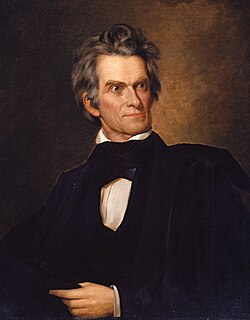
The compromise bought roughly four years of relative peace before Bleeding Kansas tore the country open again. Daniel Webster, who championed it at great cost to his antislavery reputation, died in 1852 believing he had saved the Union. John C. Calhoun, who opposed it as insufficient for the South, died the same year convinced the slaveholding states had surrendered too much. Both men were wrong in their predictions, and right in their understanding that the crisis had only been deferred.
| Enacted | September 1850 |
| Architects | Henry Clay, Daniel Webster, Stephen Douglas |
| California | Admitted as free state |
| New Territories | New Mexico and Utah: popular sovereignty on slavery |
| Fugitive Slave Act | Required Northern citizens to assist in returning escaped enslaved people |
| D.C. Slave Trade | Abolished (slavery itself remained) |
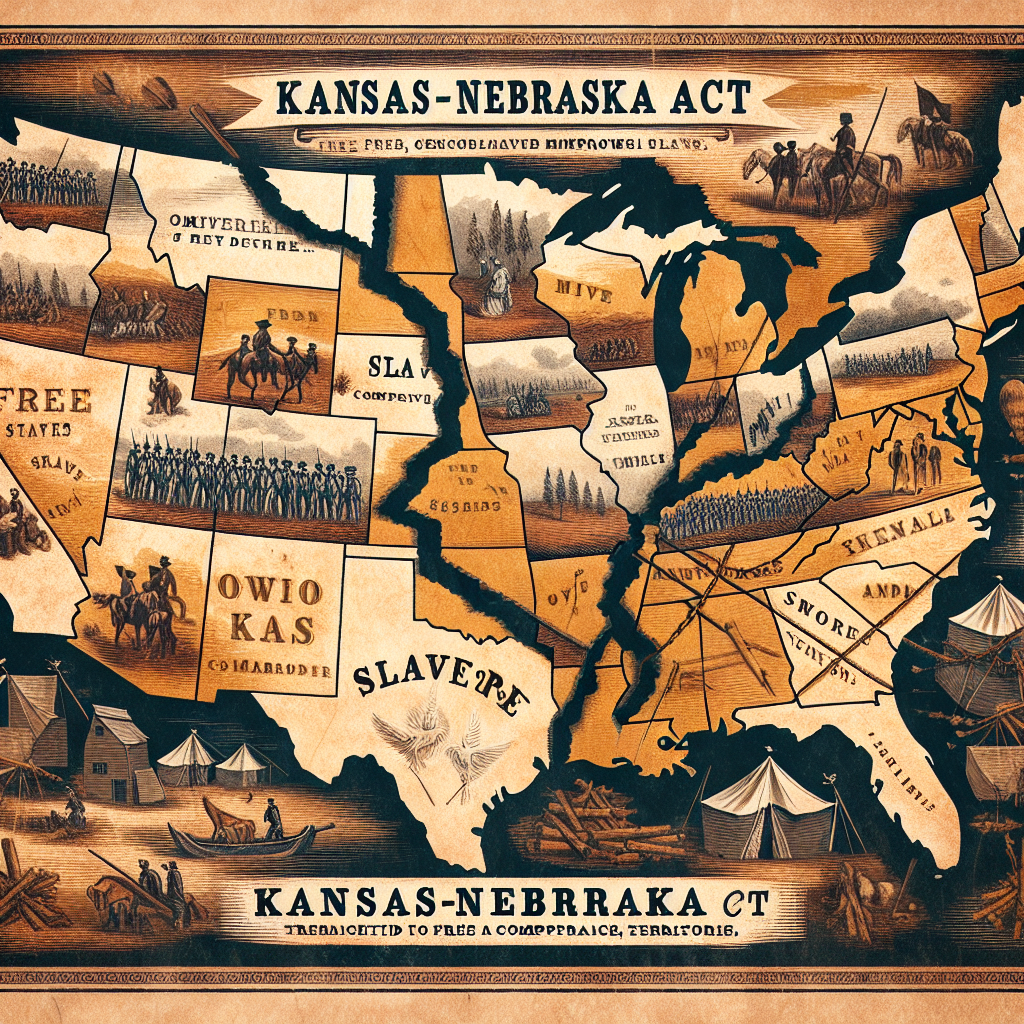
| Successor Crisis | Kansas-Nebraska Act (1854) |
| Date | September 1850 |
| Location | Washington, D.C. |