Oregon Trail
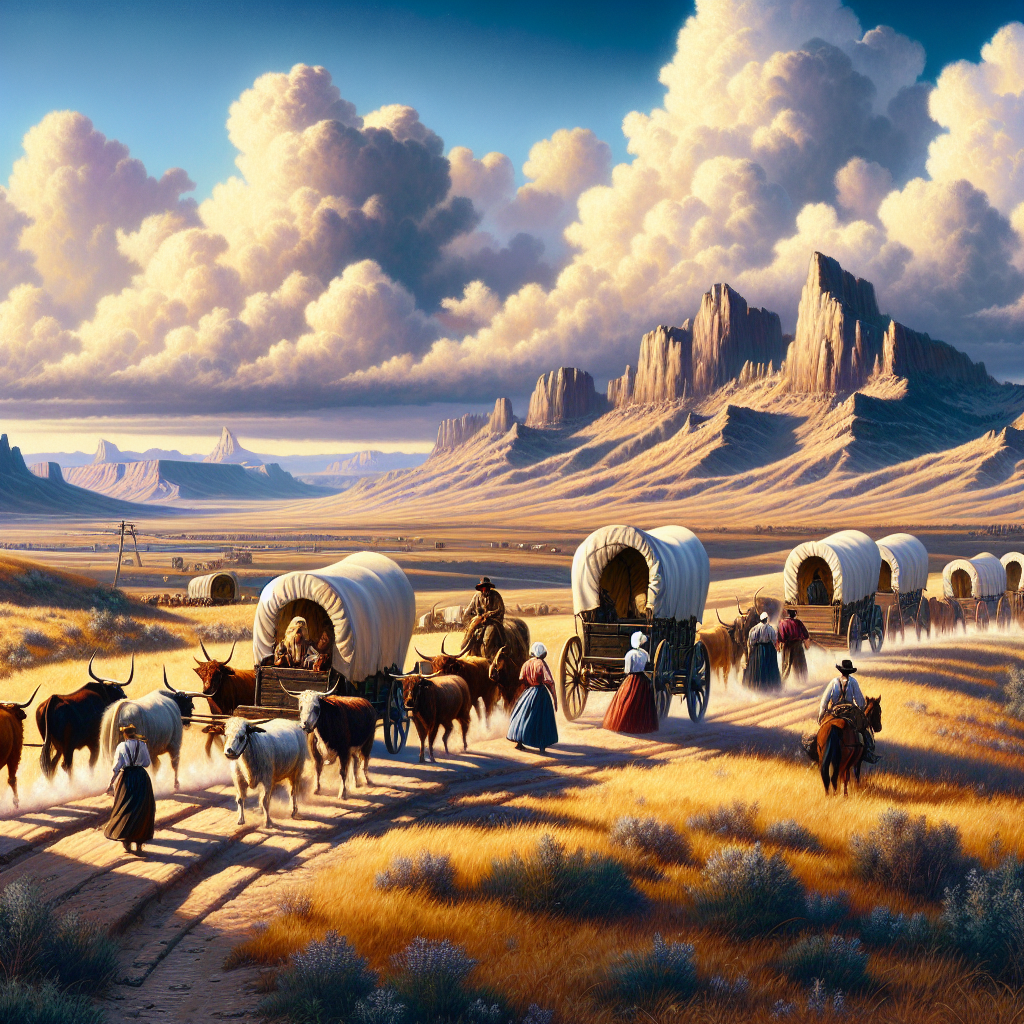
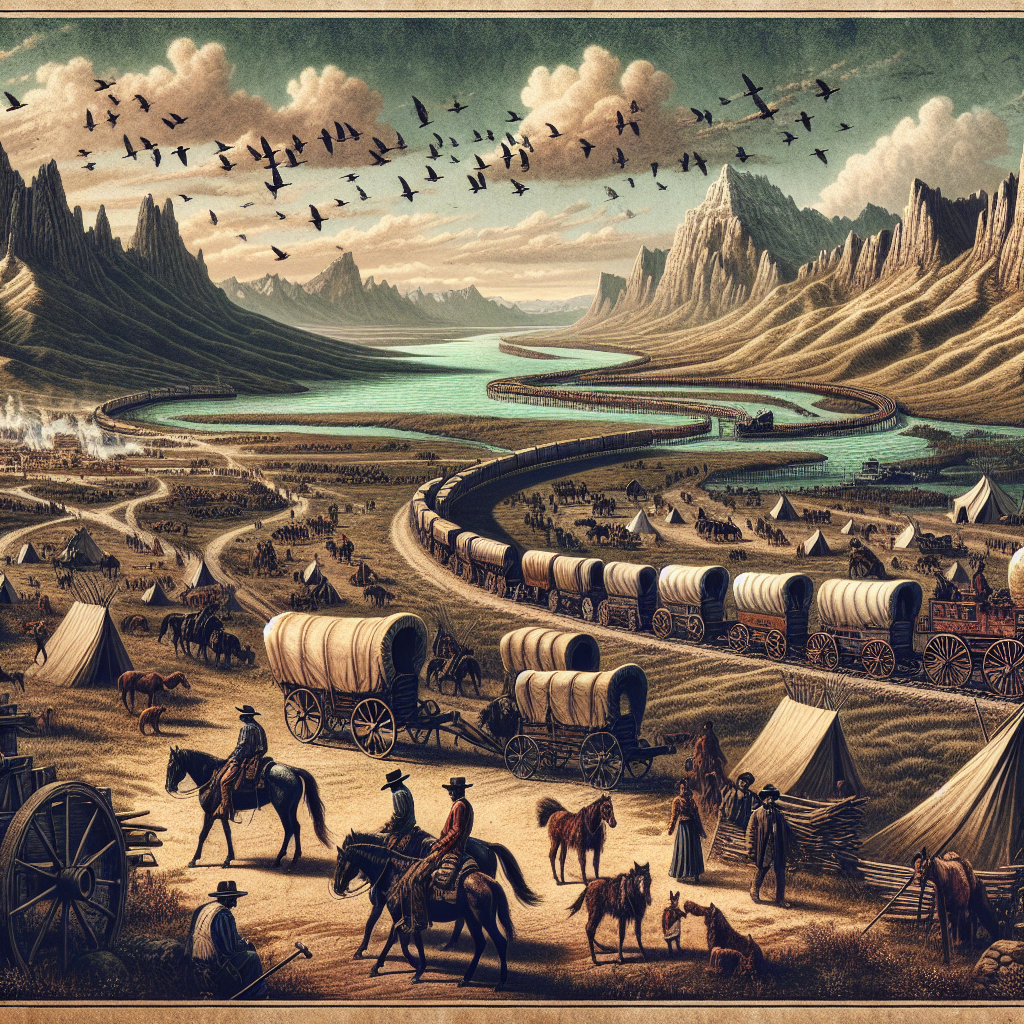
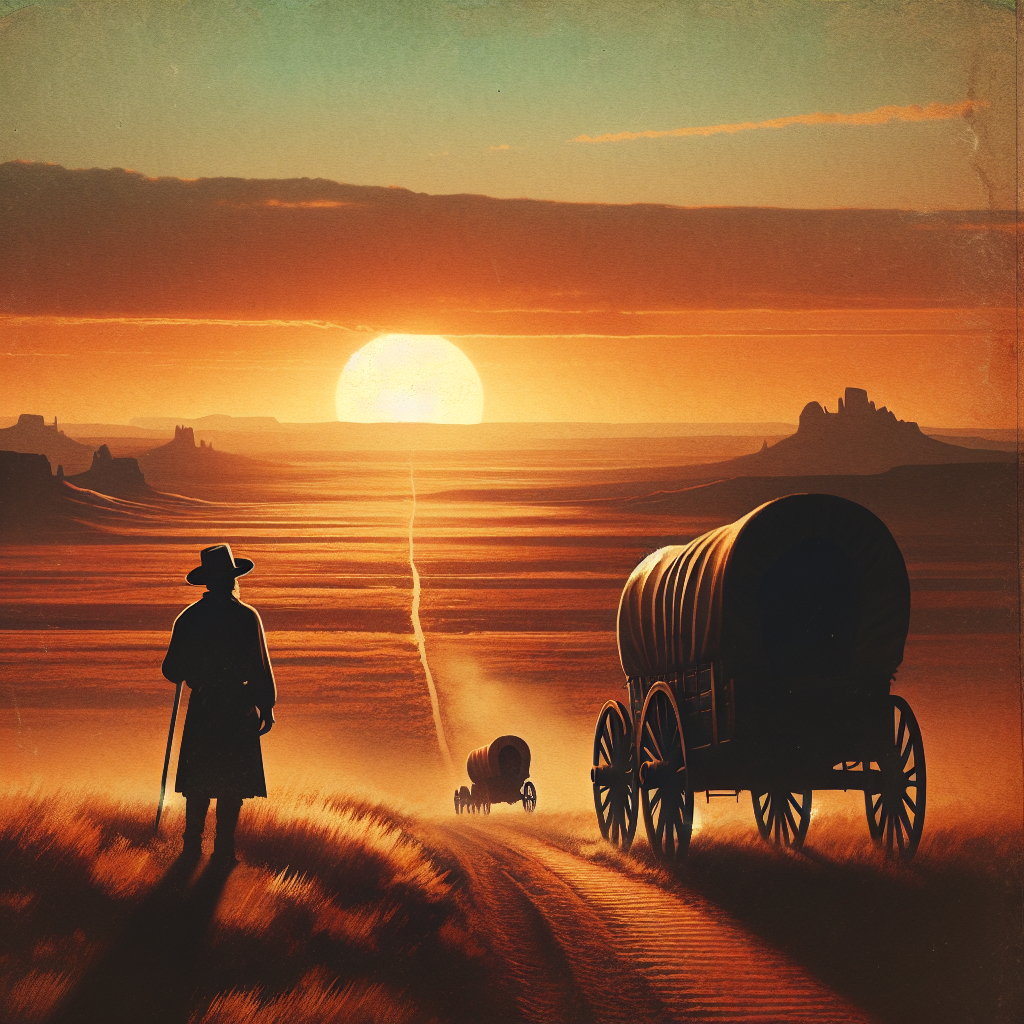
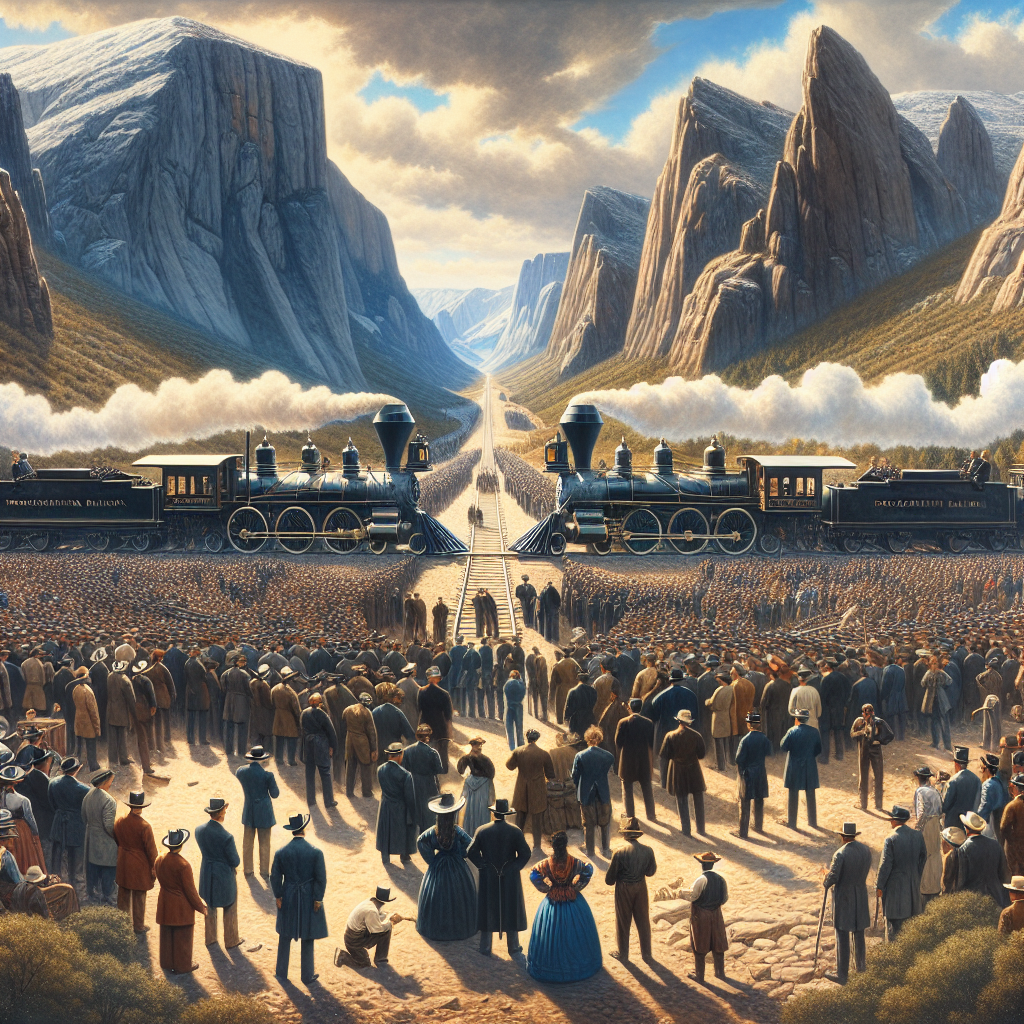
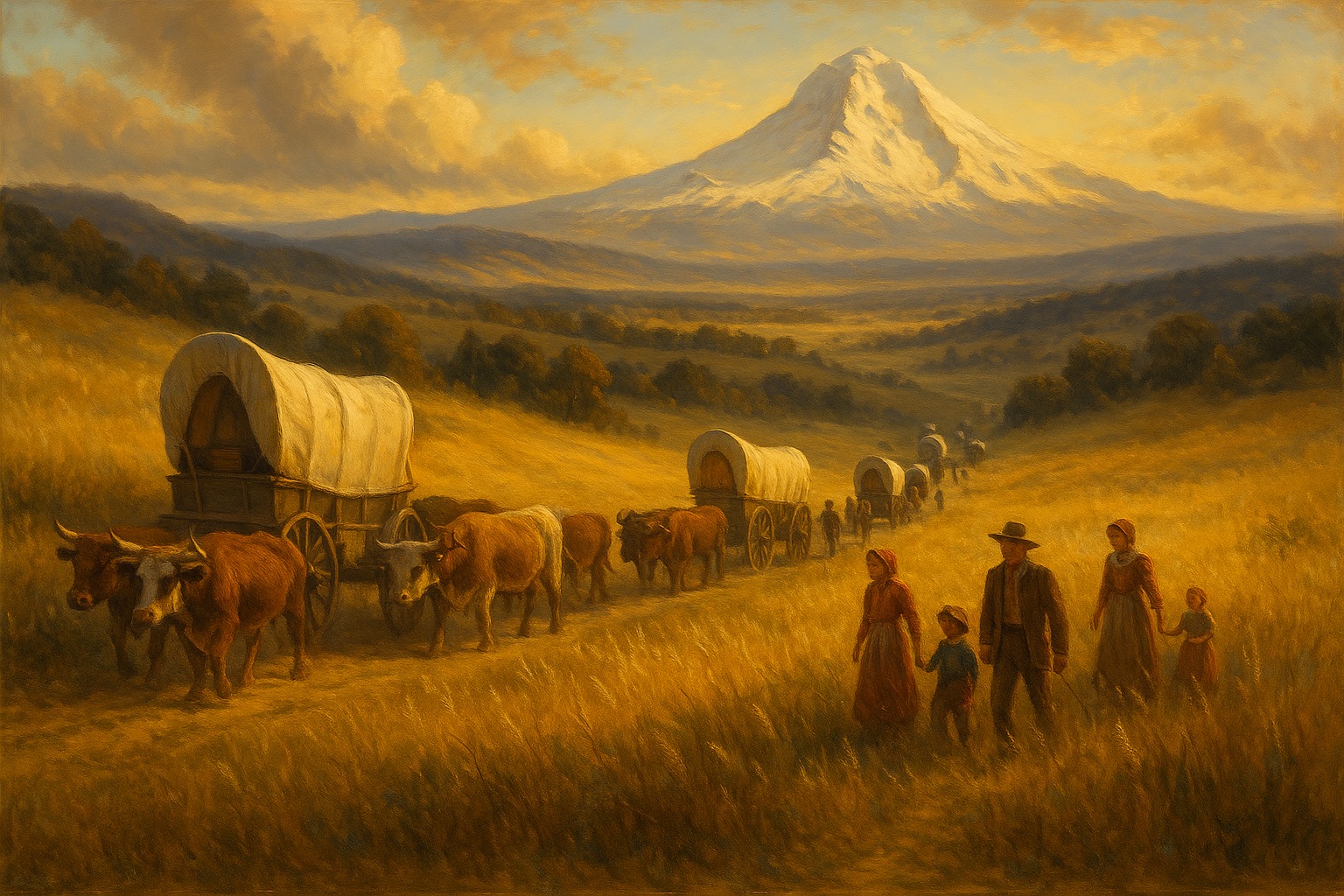
The Oregon Trail ran approximately 2,000 miles from Independence, Missouri, to the Willamette Valley in present-day Oregon, across the Great Plains, through the Rocky Mountains at South Pass, and down the Columbia River basin. Between 1840 and 1869 — when the transcontinental railroad made it obsolete — approximately 400,000 people made the journey, most of them in ox-drawn wagons traveling in organized caravans. The trip took four to six months. The travelers left in spring to clear the Rockies before the first autumn snows and arrived, if they arrived, in a state of exhaustion that survivors consistently described as total. An estimated 20,000 people died along the route, roughly one grave every hundred yards.
The causes of death were overwhelmingly disease — cholera above all, which swept through the crowded wagon camps with terrifying speed — followed by accidents, drowning at river crossings, and the occasional violence that emerged when the physical and psychological stress of the journey broke people down. The popular image of Indian attack as the primary danger was largely a myth manufactured by dime novels and later by Hollywood; the actual interactions between emigrant parties and the Native nations through whose territory they passed were more often commercial than violent, at least in the trail's early decades. The Lakota, Pawnee, Shoshone, and other nations traded with emigrants, provided guides, and watched their homelands slowly fill with the people whose presence the trail was channeling westward.
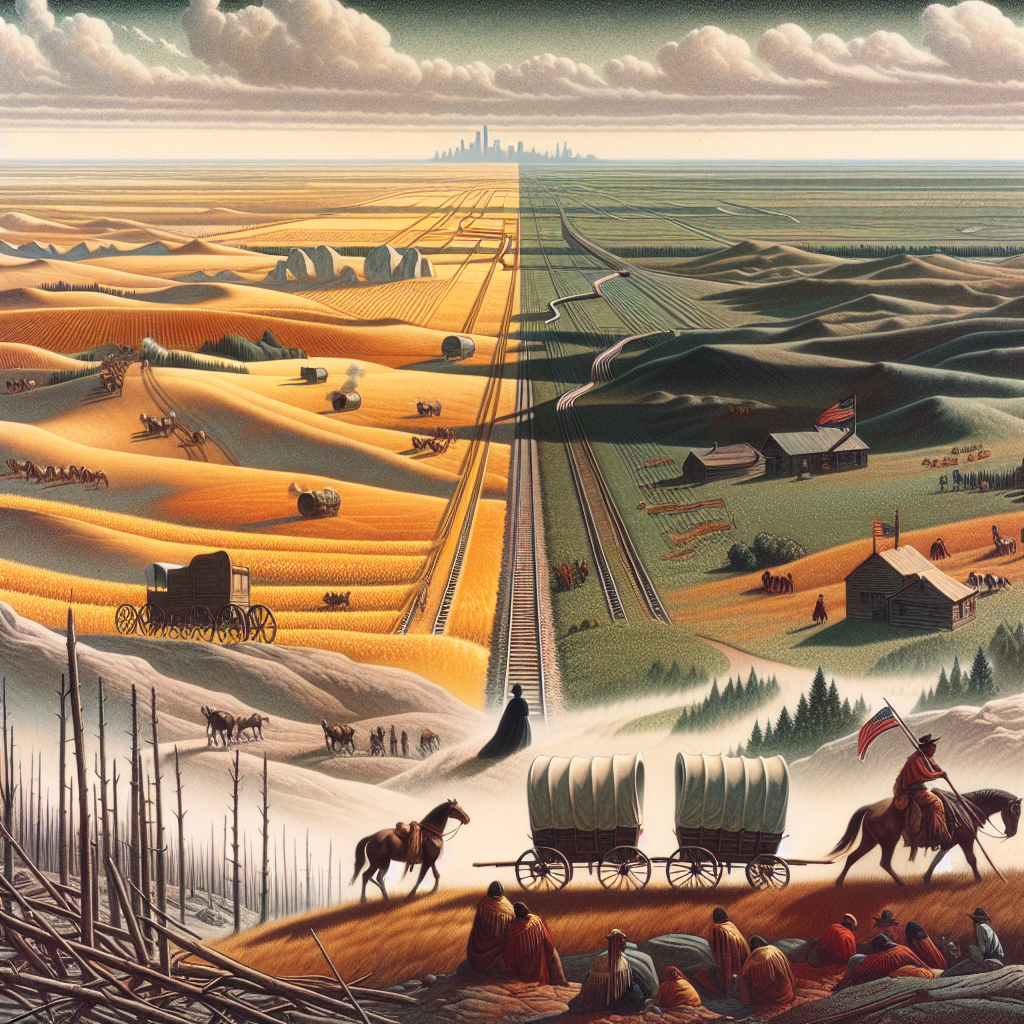
The Oregon Trail was not a road but a corridor — multiple routes converging and diverging across the landscape, their paths visible from the air as braided parallel ruts worn into the prairie by hundreds of thousands of wagon wheels. Those ruts are still visible in places today, particularly in Wyoming and Nebraska, where the dry climate has preserved them for a century and a half. The trail's emigrants were not a monolithic group: they included New England farmers, Midwestern families, European immigrants one generation removed from their own displacement, free Black settlers seeking land beyond the reach of slavery laws, and a small but notable number of single women traveling alone. They were all moving toward something, which was also moving away from something else, which is the oldest American story.

| Active | c. 1840–1869 |
| Length | ~2,000 miles |
| Start | Independence, Missouri |
| End | Willamette Valley, Oregon |
| Travelers | ~400,000 |
| Est. deaths | ~20,000 (primarily cholera) |
| Journey time | 4–6 months |
| Replaced by | Transcontinental Railroad, 1869 |
| Years | 1840–1869 |
| Location | Independence, Missouri |