Missouri Compromise
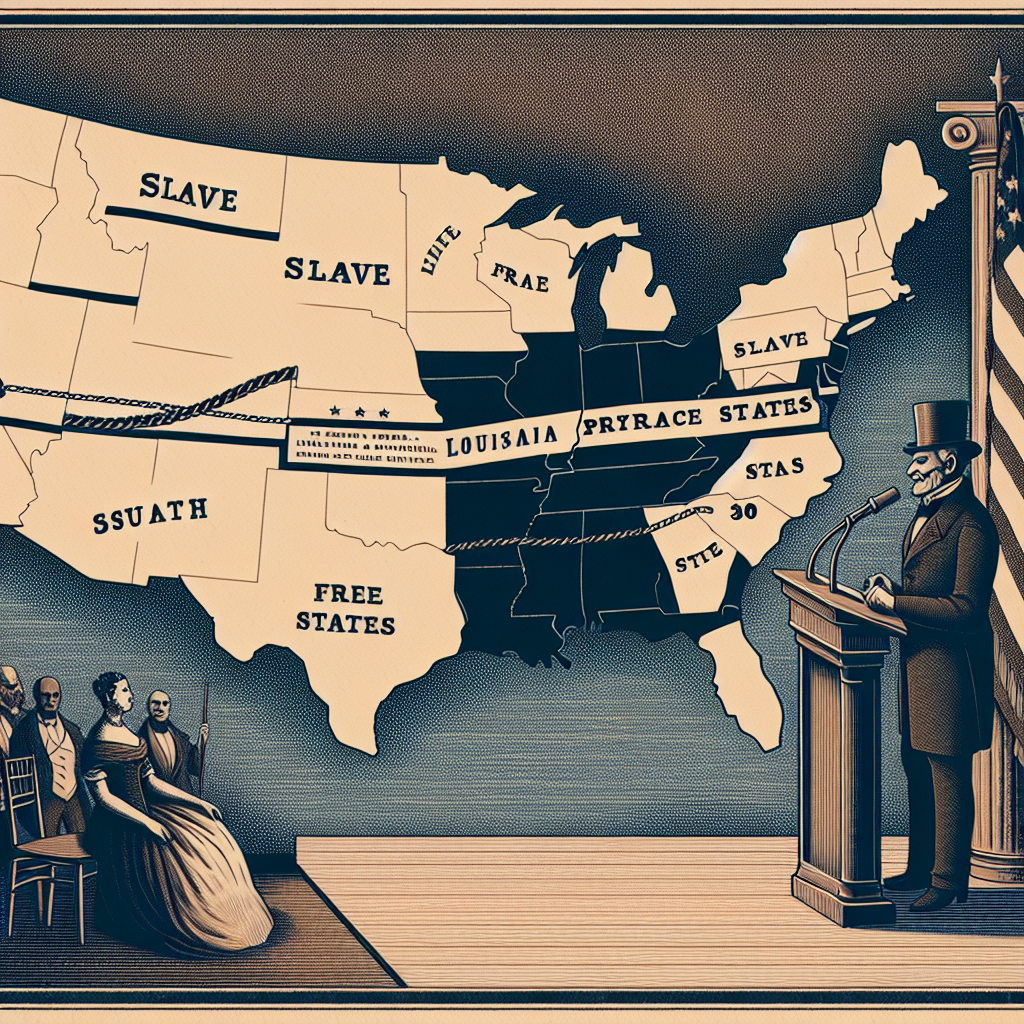
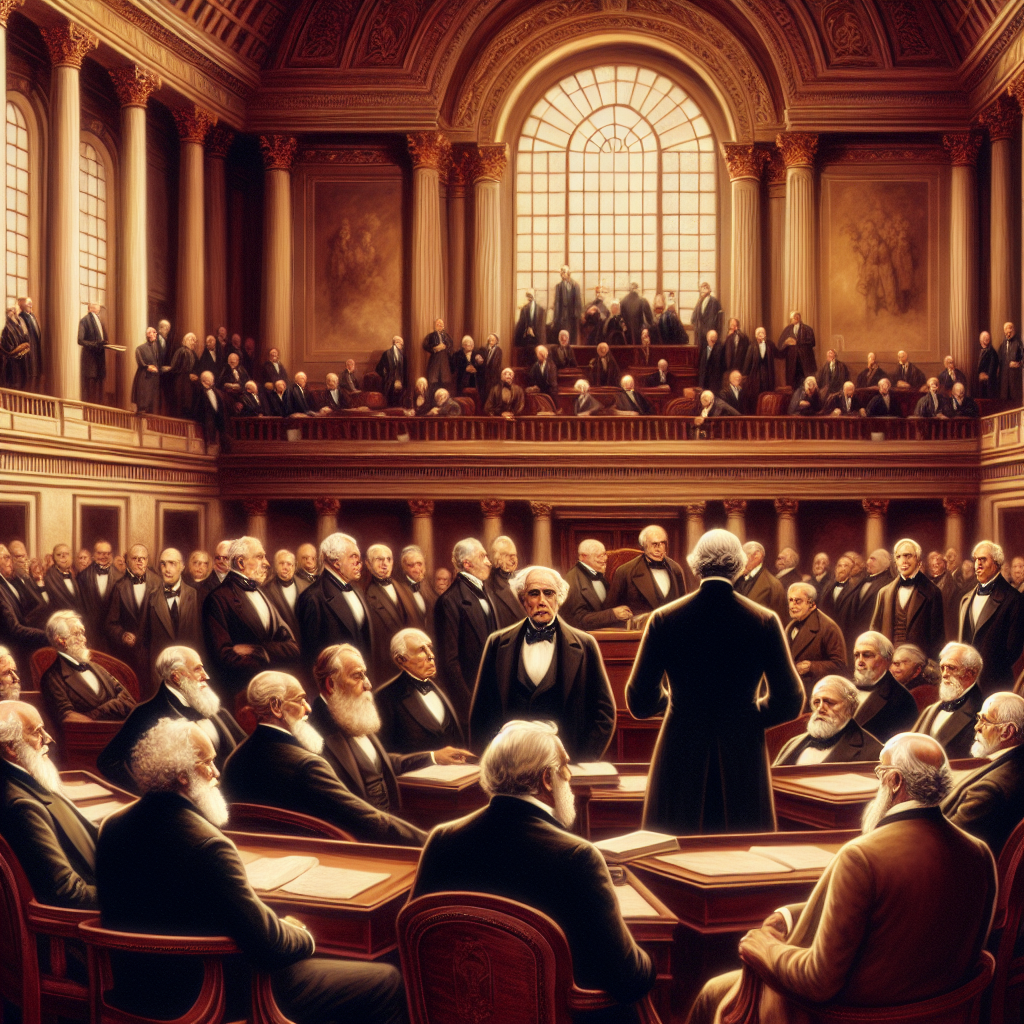
In 1819, Missouri applied for statehood as a slave state, and the application immediately exposed a fault line that American politics had been avoiding with increasing difficulty since 1787. The existing 22 states were evenly split between slave and free, giving the South equal representation in the Senate and disproportionate representation in the House through the Three-Fifths Compromise. Adding Missouri as a slave state would tip the Senate balance; Northern congressmen proposed an amendment requiring Missouri to gradually emancipate its enslaved population. Southern congressmen responded as they would to every subsequent threat to slavery for the next 40 years: with a combination of constitutional argument, political threat, and the implicit warning that the Union itself was at stake.
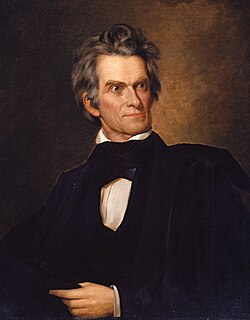
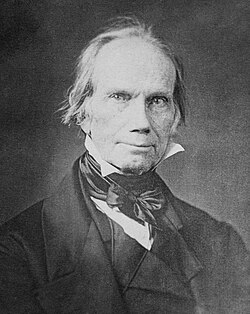
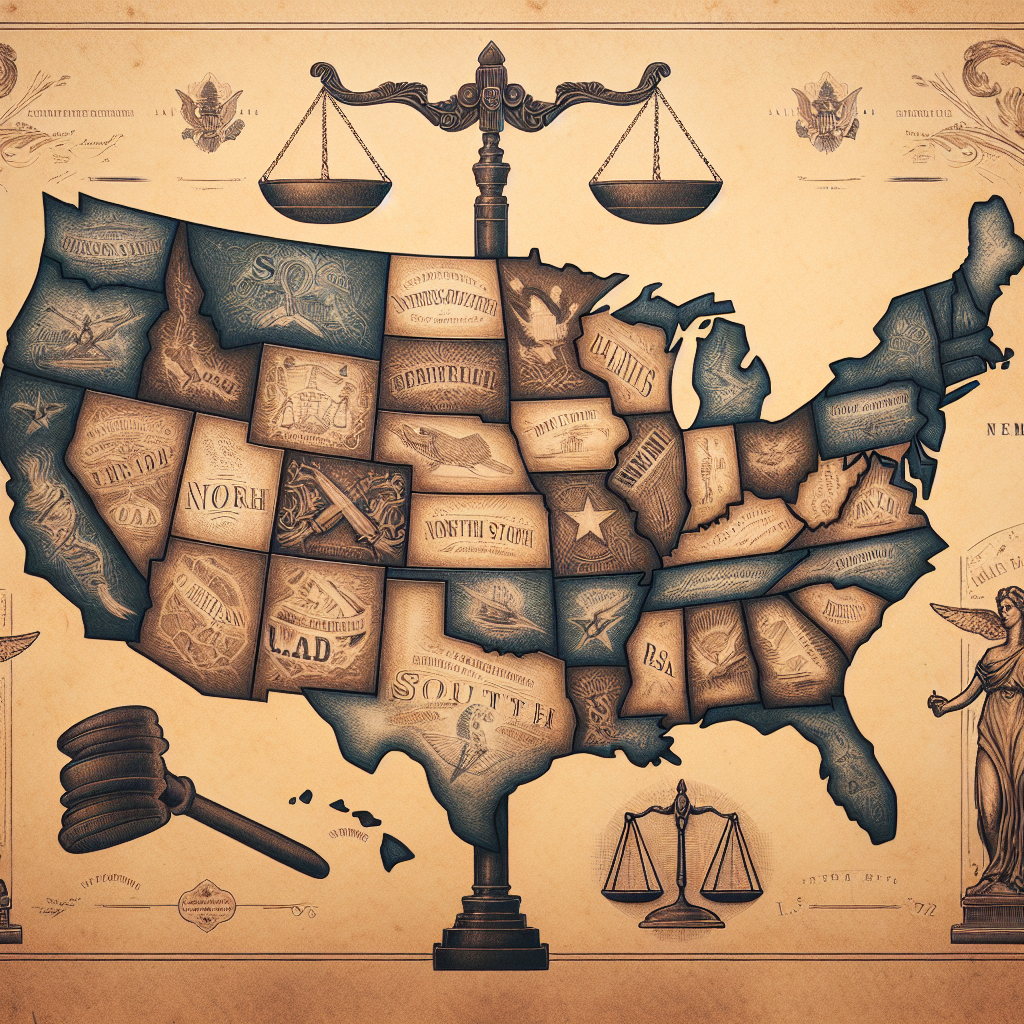
Henry Clay of Kentucky — earning the first of the titles "Great Compromiser" he would accumulate over his career — brokered the deal in 1820. Missouri would enter as a slave state; Maine, which was separating from Massachusetts, would enter simultaneously as a free state, preserving the Senate balance. More importantly, slavery would be prohibited in all territory north of latitude 36°30' — Missouri's southern border — within the Louisiana Purchase. The line drew a boundary across the continent that everyone understood was temporary. Thomas Jefferson, 76 years old and reading the news at Monticello, wrote that the compromise "like a fire bell in the night, awakened and filled me with terror." He called it a reprieve only, not a final sentence. He was right.
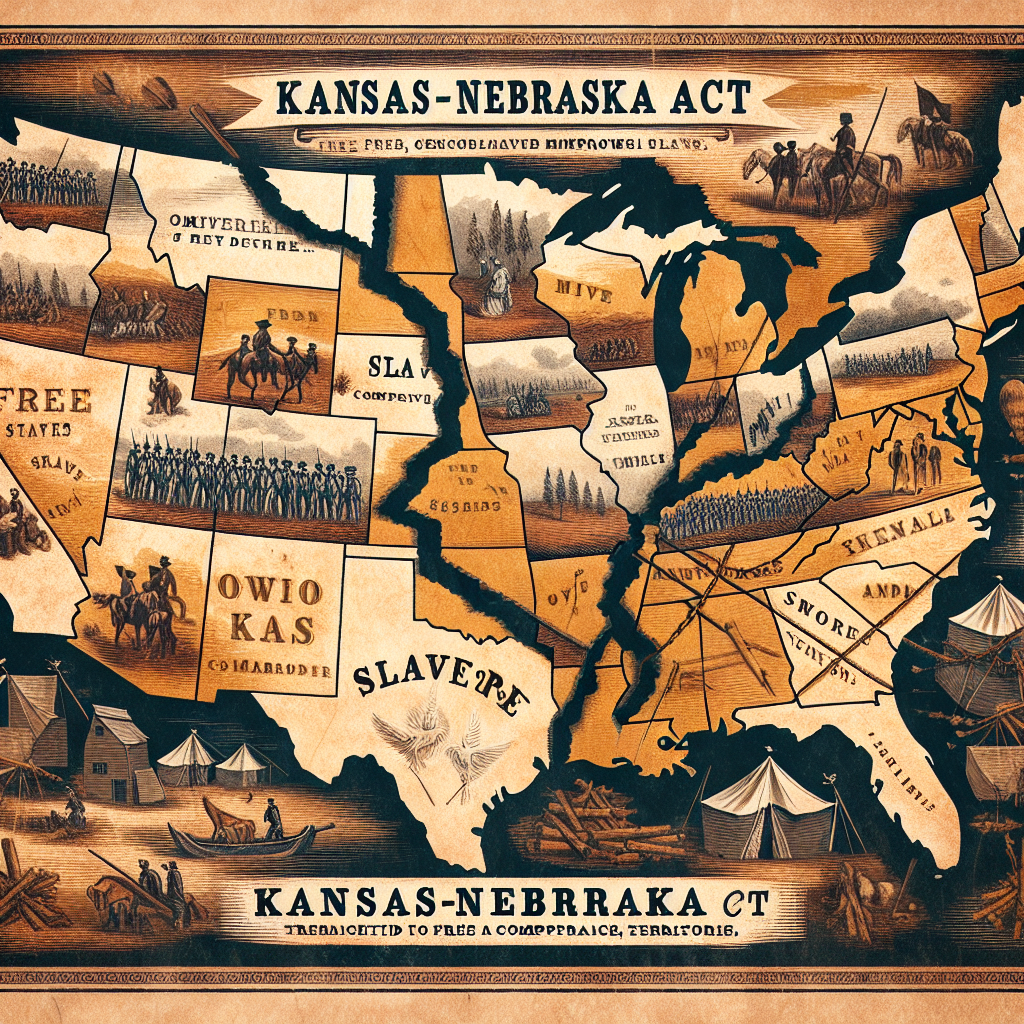
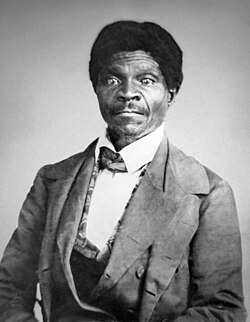
The Missouri Compromise held for 34 years. The Mexican-American War broke it by adding territory south of the compromise line whose status the line did not resolve; the Compromise of 1850 tried a new framework; the Kansas-Nebraska Act of 1854 repealed the Missouri Compromise entirely, opening all territories to "popular sovereignty" — letting settlers vote on slavery — and producing the violent struggle in Kansas known as Bleeding Kansas. The Supreme Court's Dred Scott decision (1857) declared the Missouri Compromise had always been unconstitutional — Congress had never had the authority to ban slavery from the territories. That ruling eliminated the last legal mechanism for containing slavery's expansion short of war. The war came three years later, exactly as Jefferson's fire bell had warned.
| Enacted | March 3, 1820 |
| Key broker | Henry Clay of Kentucky |
| Terms | Missouri (slave) + Maine (free) admitted simultaneously |
| Slavery boundary | Prohibited north of 36°30' in Louisiana Purchase |
| Repealed by | Kansas-Nebraska Act, 1854 |
| Unconstitutional | Dred Scott v. Sandford, 1857 |
| Jefferson's reaction | "A fire bell in the night" |
| Date | March 3, 1820 |
| Location | Washington, D.C. |